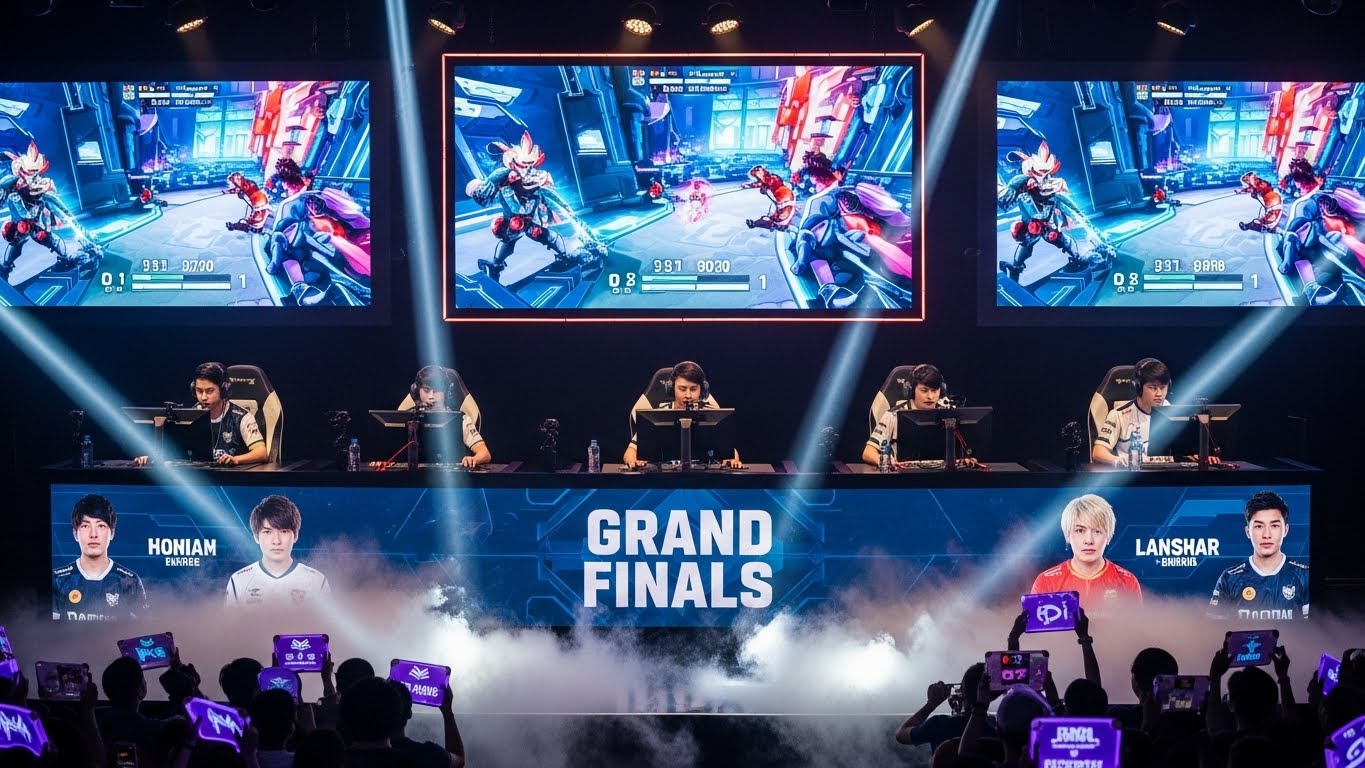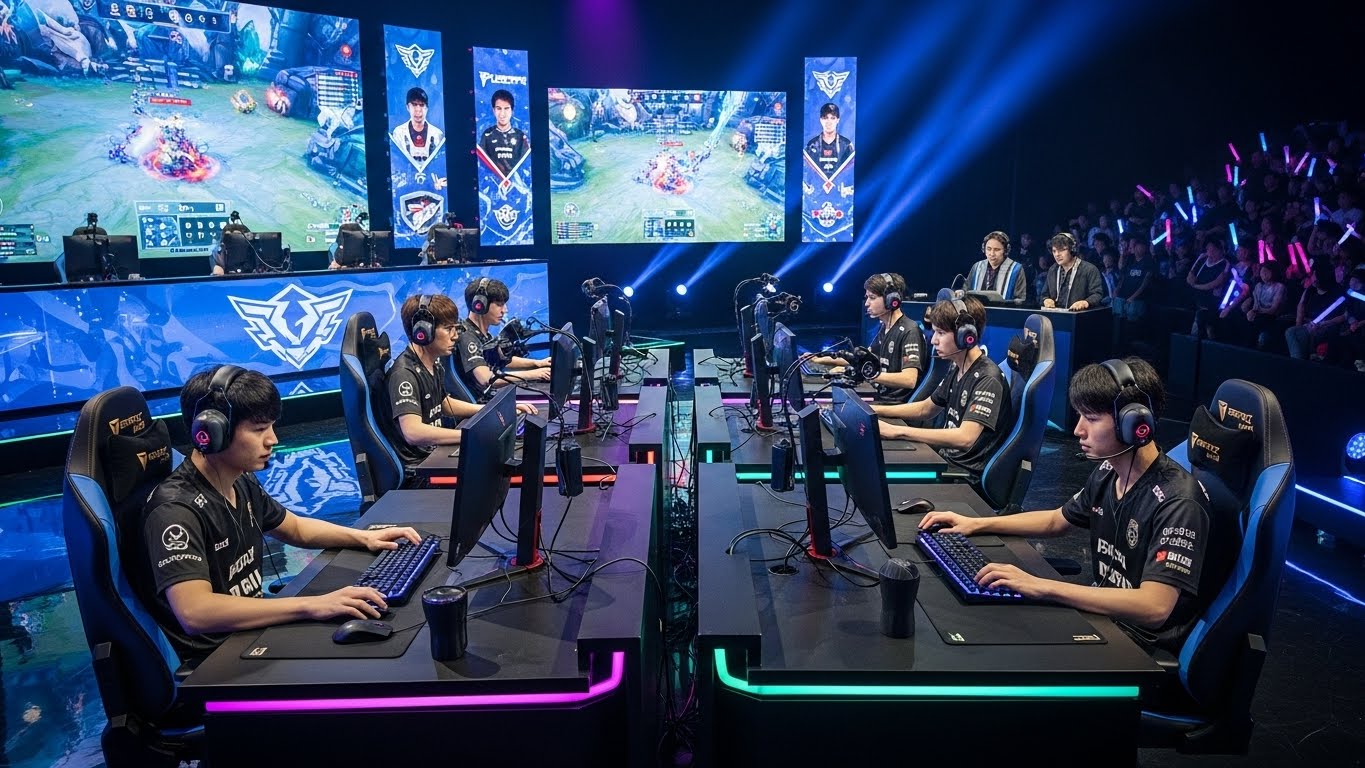

In the last decade, the world of competitive gaming has grown from a niche pastime to a global phenomenon. What was once viewed as a hobby by a select group of enthusiasts is now a multi-billion dollar industry. Esports, short for electronic sports, has become one of the fastest-growing sectors in the entertainment world. The combination of skill, strategy, and excitement has attracted millions of fans and players, turning video gaming into a mainstream entertainment platform. In this blog post, we will explore the rapid rise of esports, the impact it has had on the gaming and entertainment industries, and the factors driving its success.
What is Esports?
At its core, esports refers to organized, multiplayer video game competitions, particularly between professional players, individually or as teams. These tournaments are usually live-streamed or broadcast to a global audience, with participants competing for cash prizes, sponsorships, and worldwide recognition. Esports encompasses a wide variety of games, ranging from strategy-based titles like League of Legends and Dota 2 to first-person shooters like Counter-Strike: Global Offensive and Overwatch.
Esports events can take place both online and offline, with major tournaments held in large arenas or stadiums. The most prominent esports events attract tens of thousands of spectators, and millions more watch through online streaming platforms such as Twitch, YouTube, and Facebook Gaming.
The Growth of Esports: From Niche to Mainstream
The story of esports begins in the early 2000s, when competitive gaming was largely confined to small, local tournaments or online multiplayer games. However, as the internet became more widely accessible, so did the opportunities for players to compete on a global stage. This era saw the rise of games like StarCraft and Warcraft III, which set the foundation for the esports industry we know today.
By the late 2000s and early 2010s, competitive gaming started gaining traction, especially with the release of League of Legends in 2009. Riot Games, the developer behind League of Legends, played a pivotal role in shaping the modern esports ecosystem by organizing large-scale tournaments such as the League of Legends World Championship. These tournaments began to draw significant attention, with millions of viewers tuning in to watch the best players from around the world compete for the coveted Summoner’s Cup.
The launch of streaming platforms like Twitch in 2011 gave esports an even bigger platform. Twitch allowed viewers to watch live gameplay, engage with players, and become a part of the esports community. By 2013, major esports tournaments were being broadcast on television, signaling the increasing mainstream appeal of competitive gaming.
In recent years, esports has seen a surge in professionalization, with dedicated teams, coaches, and analysts. The rise of gaming organizations and the influx of sponsorships from major brands like Coca-Cola, Intel, and Nike has transformed esports into a legitimate business venture. This transition from amateur to professional gaming has brought new levels of excitement and competition to the industry, attracting an ever-growing fanbase.
Esports and the Gaming Industry
Esports has had a profound impact on the gaming industry, both in terms of game development and the culture surrounding gaming. Many of the top esports titles have become some of the most successful games in history, with League of Legends, Fortnite, Dota 2, and Call of Duty consistently ranking among the highest-grossing games in the world.
One key factor in the success of these games is the way they are designed to support competitive play. Esports titles often have a balanced gameplay structure, frequent updates, and a focus on skill-based progression. This ensures that games remain challenging for both new and veteran players alike, which keeps the competitive scene vibrant and engaging.
Moreover, esports has pushed game developers to prioritize online multiplayer modes and enhance their games with features like leaderboards, tournaments, and spectator modes. Games that support competitive play tend to have a long lifespan, with players and teams dedicating years to mastering the gameplay mechanics.
The Role of Streaming Platforms
The growth of streaming platforms like Twitch, YouTube Gaming, and Facebook Gaming has played a significant role in the explosion of esports. These platforms allow fans to watch esports events live, interact with players, and participate in online communities. In 2020, Twitch alone reported over 3 billion hours of content watched, with a significant portion dedicated to gaming and esports-related content.
Streaming also provides a platform for gamers to monetize their content through subscriptions, donations, and sponsorships. This has enabled many streamers to turn their passion for gaming into full-time careers, further legitimizing esports as a viable career path. Moreover, streaming allows for a more interactive and accessible viewing experience. Fans can communicate with players and fellow viewers in real-time, creating a sense of community that has been key to the growth of esports.
Esports organizations and game developers have also embraced streaming platforms as a way to broadcast their events to a global audience. Major tournaments, such as The International (Dota 2’s annual championship) and the League of Legends World Championship, draw millions of viewers online, providing sponsors and advertisers with a huge platform to reach a highly engaged audience.
The Economics of Esports
Esports is now a multi-billion-dollar industry, with revenues coming from various sources, including advertising, sponsorships, media rights, ticket sales, and merchandise. In 2020, the global esports market was valued at over $1 billion, and this number is expected to continue growing. This influx of revenue has attracted investment from traditional sports teams, celebrities, and even venture capital firms, all eager to capitalize on the rising popularity of competitive gaming.
The sponsorship deals within esports are particularly lucrative, with major brands seeking to align themselves with top players and teams. Companies like Red Bull, Mercedes-Benz, and Amazon have all invested heavily in the esports ecosystem, recognizing the immense potential of the market. These sponsorships help to fund tournaments, support players, and improve the overall production value of esports events.
Moreover, the development of esports infrastructure, including training facilities, broadcasting studios, and production teams, has created new opportunities for jobs in the gaming and entertainment sectors. From event organizers to social media managers, the esports industry has opened up a wide array of career paths, contributing to the growth of the digital economy.
Esports and Traditional Sports: A Growing Partnership
Esports is not only competing with traditional sports for attention but is also beginning to form partnerships with them. Many professional sports teams have established esports divisions, while traditional sports organizations are investing in esports events and teams. For example, in 2018, the NBA’s Golden State Warriors launched their own esports team, the Golden Guardians, which competes in the League of Legends Championship Series.
Furthermore, esports has drawn the attention of major broadcasters, with networks like ESPN and TNT broadcasting esports events alongside traditional sports. This merging of gaming and traditional sports signals a broader cultural shift, with esports now being seen as an integral part of the entertainment landscape.
The Future of Esports
As esports continues to evolve, the future looks bright for both players and fans. One of the biggest trends is the growing recognition of esports as a legitimate career option. As more universities and colleges offer scholarships for esports athletes, the notion of professional gaming as a viable career path is gaining mainstream acceptance.
The potential for esports to become an Olympic sport has also been widely discussed. While the International Olympic Committee (IOC) has yet to officially recognize esports as an Olympic discipline, there have been efforts to include competitive gaming in international multi-sport events such as the Asian Games. If esports is eventually included in the Olympics, it would further cement its place in the global sporting landscape.
Additionally, technological advancements like virtual reality (VR) and augmented reality (AR) could take esports to new heights. Imagine a fully immersive esports tournament where players compete in a virtual arena, or fans can experience matches from a first-person perspective through VR headsets. The integration of new technologies has the potential to revolutionize the way esports events are experienced, both by players and spectators.
Conclusion: Esports as a Cultural Force
The rise of esports is a testament to the power of digital entertainment in the 21st century. What began as a niche hobby has grown into a cultural force, uniting millions of players and fans across the globe. From its humble beginnings in local tournaments to its current status as a multi-billion-dollar industry, esports has become an integral part of the gaming and entertainment world.
With its growing global reach, ever-expanding fanbase, and increasing investment from both traditional sports organizations and tech companies, esports is set to continue its upward trajectory for years to come. As the industry matures, we can expect even more innovation, excitement, and opportunities for players, teams, and fans alike. Whether you’re a gamer, a fan, or simply someone interested in the next big cultural movement, esports is a space to watch closely.