Introduction: The Global Rise of Gaming
Gaming has evolved from a simple pastime into a dominant force in modern culture. It is more than just playing for fun; it is about connection, creativity, and competition. Across the world, billions of people engage in gaming every day, whether on consoles, computers, or mobile phones. It has become one of the most influential industries of the twenty-first century, shaping entertainment, technology, and even education. Gaming has transcended generations, uniting children, teenagers, and adults under a common passion that continues to grow with every technological leap.
The Evolution of Gaming: From Simplicity to Sophistication
The roots of gaming can be traced back to the early 1970s, when simple arcade machines like Pong and Space Invaders captured the public’s imagination. These early games were basic, yet they introduced a new way for people to interact with technology. As computers and consoles became more advanced, the complexity and quality of games improved dramatically. The 1980s and 1990s marked the golden era of home gaming, with consoles such as the Nintendo Entertainment System and the PlayStation changing how people experienced play.
In the modern era, gaming has become far more immersive. Today’s games feature realistic graphics, intricate storytelling, and online multiplayer capabilities that connect players across continents. Virtual reality, augmented reality, and cloud gaming have expanded the boundaries of what is possible. What began as pixelated fun has transformed into a vast digital universe where players can explore, compete, and create in ways that were unimaginable just a few decades ago.
The Psychology of Play: Why We Love Games
The appeal of gaming lies in its ability to challenge, reward, and entertain. Every game provides a unique experience that stimulates the brain and engages emotions. Players often describe gaming as an escape from reality, a space where they can achieve goals, express creativity, and experience excitement in a controlled environment.
Psychologists have studied gaming’s positive effects on cognitive skills and mental health. Strategic games improve problem-solving and critical thinking, while fast-paced action games enhance reflexes and decision-making. Role-playing games foster empathy and imagination by allowing players to step into the shoes of different characters and make moral decisions. Furthermore, gaming often provides a sense of accomplishment that can boost self-confidence and motivation.
Beyond the cognitive benefits, gaming is a form of emotional expression. Many players find comfort in the worlds they explore and the communities they join. The sense of belonging that gaming communities offer can be especially valuable in a world that is increasingly digital and interconnected.
Gaming as Art: The Fusion of Technology and Creativity
In the early years, games were often seen as simple amusements. Today, they are recognized as a legitimate art form. Modern games blend storytelling, visual design, music, and interactivity to create experiences that rival the emotional depth of films and novels. Developers are artists who craft intricate worlds filled with beauty, mystery, and meaning.
The artistry of gaming lies in its ability to make the player an active participant. Unlike watching a movie or reading a book, gaming allows people to influence the narrative through their choices. This interactivity creates a deeper emotional bond between the player and the story. Games like these evoke empathy, joy, sadness, and wonder—all through digital design and storytelling.
Every element in a game, from its soundtrack to its environment, contributes to an atmosphere that immerses players in the experience. The combination of art, music, and interactivity gives gaming a unique power to evoke emotion and convey messages that traditional media cannot achieve.
The Social Dimension of Gaming: Building Global Communities
Gaming has evolved into a powerful social experience. Online platforms and multiplayer games allow individuals to connect, communicate, and collaborate regardless of physical distance. This interconnectedness has given rise to vast communities that share interests, form friendships, and celebrate victories together.
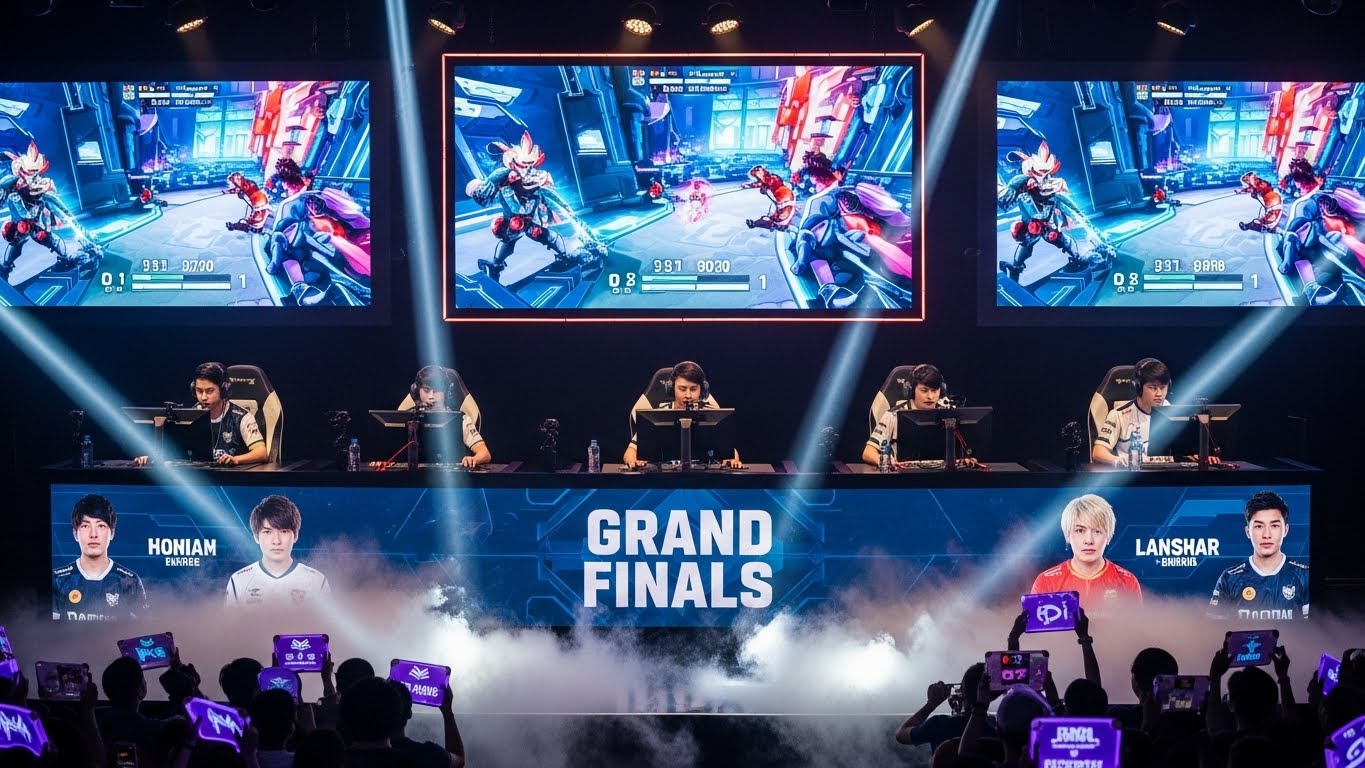
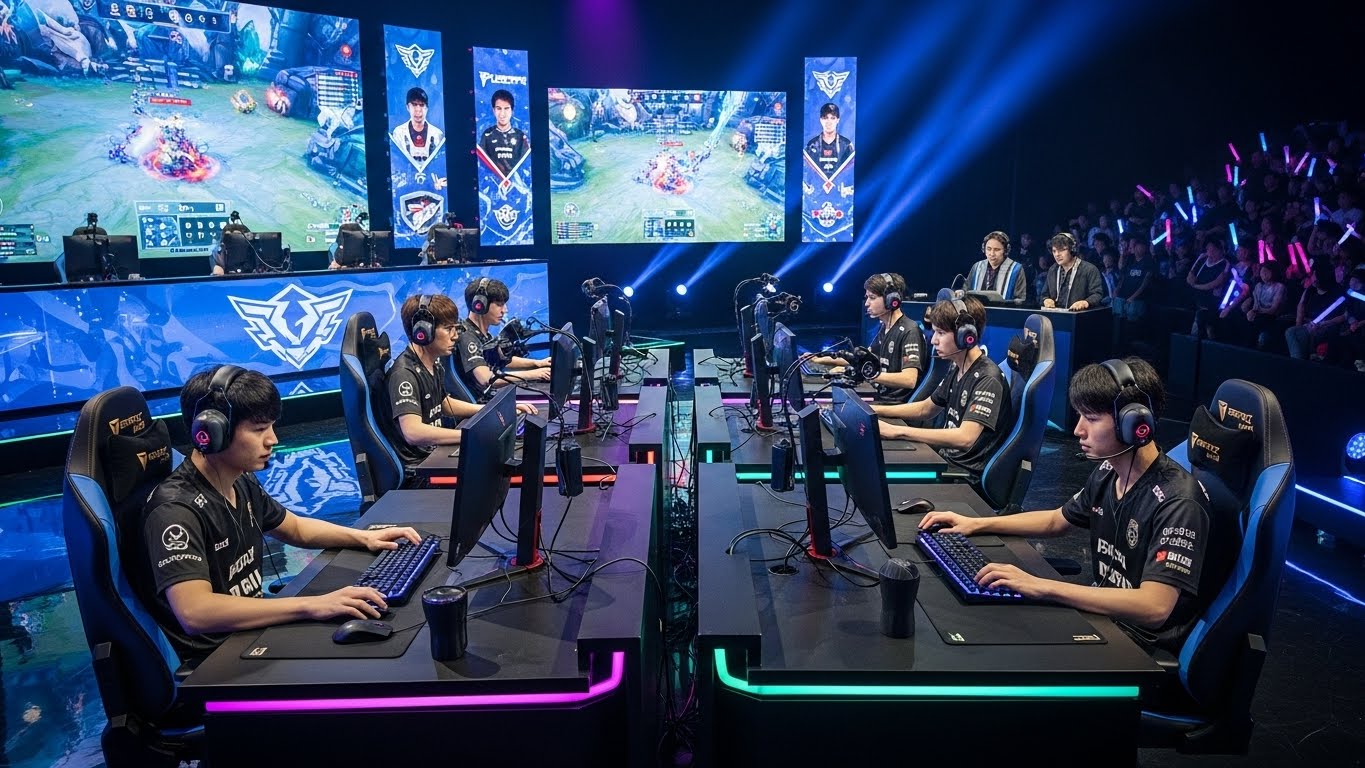
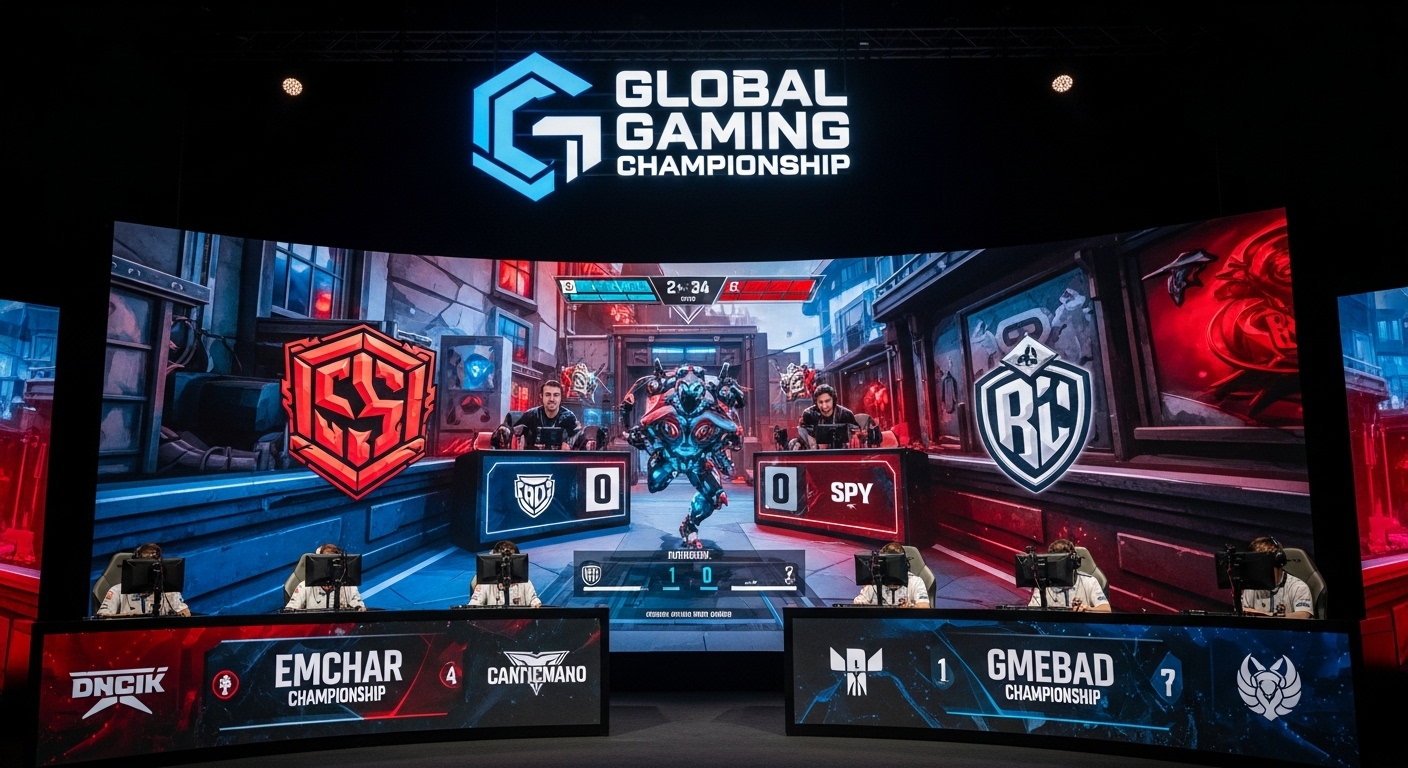
Esports, or competitive gaming, has elevated this social interaction to new heights. Professional players compete in tournaments watched by millions worldwide, turning gaming into a spectator sport. These events attract sponsorships, media coverage, and huge audiences, proving that gaming has become a legitimate and respected form of entertainment.
Even outside professional competition, gaming fosters inclusivity and teamwork. Cooperative gameplay encourages collaboration and communication, while online guilds and groups create spaces for belonging. The sense of unity that emerges from shared digital experiences often extends into real-life friendships and communities.
Educational and Developmental Impact of Gaming
Contrary to outdated beliefs, gaming can be an excellent educational tool. Games designed with learning in mind can teach everything from language and mathematics to history and science. Interactive learning through gaming engages students by making lessons exciting and participatory.
Simulation games, for example, allow players to experiment with real-world concepts in a virtual environment. They can manage cities, operate businesses, or explore ecosystems, gaining insights into complex systems through trial and error. Role-playing and adventure games enhance creativity, storytelling, and decision-making skills.
Beyond formal education, gaming develops valuable life skills. It encourages perseverance, adaptability, and teamwork. Players learn to overcome challenges, plan strategically, and think critically—all qualities that are beneficial in personal and professional life.
The Economic Powerhouse: Gaming as a Global Industry
The gaming industry is one of the largest and fastest-growing sectors in global entertainment. It generates billions of dollars annually and employs millions of people across different fields, from design and programming to marketing and production. The rise of digital platforms and mobile gaming has expanded accessibility, allowing developers to reach audiences worldwide.
Independent developers have also found success through innovation and creativity, proving that small teams can make significant contributions to the industry. The growth of virtual goods, downloadable content, and subscription models has further diversified revenue streams. Gaming’s economic influence extends beyond entertainment, driving advancements in technology, software, and digital commerce.
Moreover, gaming has opened new career opportunities. Esports players, streamers, and content creators have become celebrities in their own right, earning income through sponsorships, tournaments, and online engagement. The industry’s economic impact continues to rise, making it one of the defining pillars of the digital age.
The Role of Technology in Shaping the Future of Gaming
Technology is the heartbeat of the gaming industry. Each innovation brings new possibilities, enhancing immersion, performance, and creativity. Artificial intelligence is making non-player characters more intelligent and responsive, creating lifelike interactions that adapt to player behavior. Virtual reality transports players into 3D environments that feel tangible, while augmented reality blends digital elements with the real world.
Cloud gaming represents another transformative leap. It allows players to stream high-quality games without the need for expensive hardware, making gaming more accessible than ever. Cross-platform play ensures that players can connect regardless of the device they use, promoting inclusivity and unity across systems.
The next frontier is the metaverse—a shared virtual space where gaming, social interaction, and digital economies merge. This vision represents the future of human interaction in digital spaces, where games will not just entertain but also host work, education, and community-building activities.
Challenges and Responsibilities in the Gaming World
Despite its many achievements, gaming faces challenges that must be addressed responsibly. Issues such as addiction, cyberbullying, and online toxicity can negatively impact players. Developers and communities have a duty to create safe, inclusive spaces that encourage healthy interaction.
Another concern is the balance between creativity and commercialization. Microtransactions, pay-to-win models, and exploitative designs can diminish player trust. Ethical game development focuses on fairness, transparency, and the well-being of players. Regulation and responsible gaming practices are essential for maintaining integrity within the industry.
Inclusivity and representation are also vital. Gaming must continue to evolve to reflect diverse cultures, genders, and experiences. When players see themselves represented authentically, it strengthens their connection to the medium and promotes understanding across communities.
Gaming and Mental Health: Finding Balance
Gaming can positively influence mental health by providing joy, relaxation, and social interaction. Many people use games to unwind, cope with stress, or escape daily struggles. Multiplayer games, in particular, offer companionship and community support. However, balance is essential. Excessive gaming or reliance on virtual success can lead to unhealthy habits.
Promoting awareness and moderation helps maintain gaming as a positive part of life. Developers are increasingly including features that remind players to take breaks, manage time, and play responsibly. When approached mindfully, gaming can serve as a source of happiness, creativity, and even therapy.
Conclusion: The Infinite Future of Play
Gaming is not just about winning or losing; it is about exploration, connection, and creation. It represents the perfect union of art and technology, combining imagination with innovation. What began as a form of simple entertainment has grown into a cultural and technological phenomenon that touches every aspect of human life.
As the world continues to evolve, gaming will remain at the forefront of innovation. It will inspire creativity, build communities, and shape how future generations learn, work, and dream. The power of gaming lies not only in its ability to entertain but also in its capacity to unite and inspire. The journey of play is far from over—it is an ever-expanding universe that reminds us that imagination has no boundaries and that through gaming, we can continue to explore the limitless potential of the human spirit.