Introduction
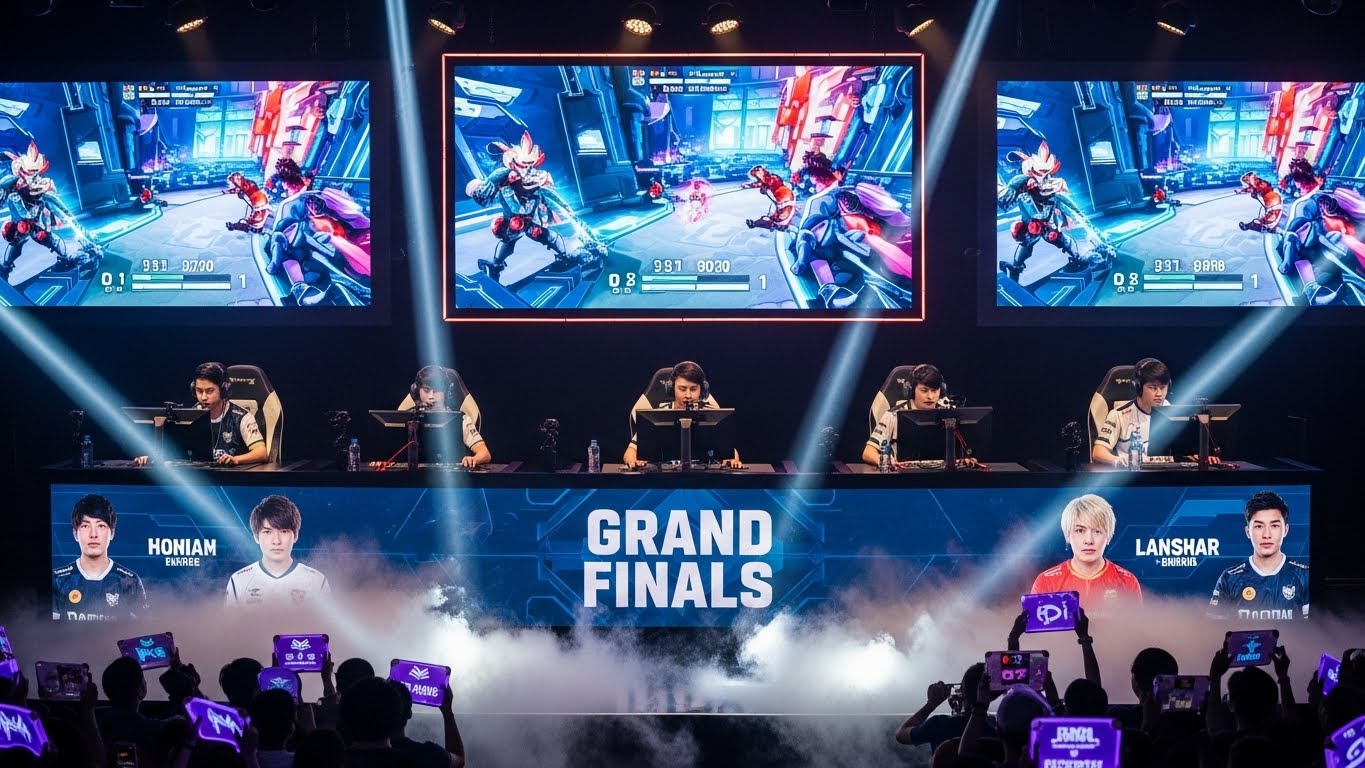
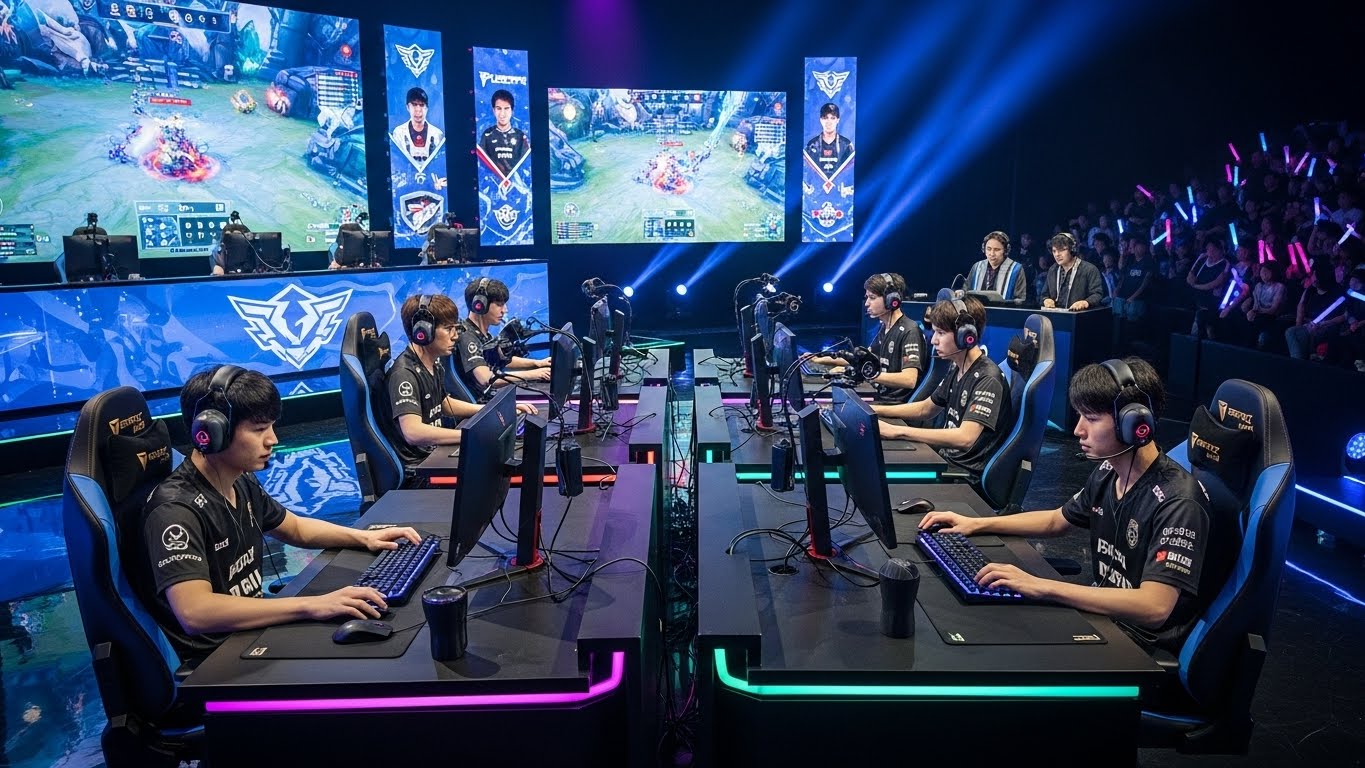
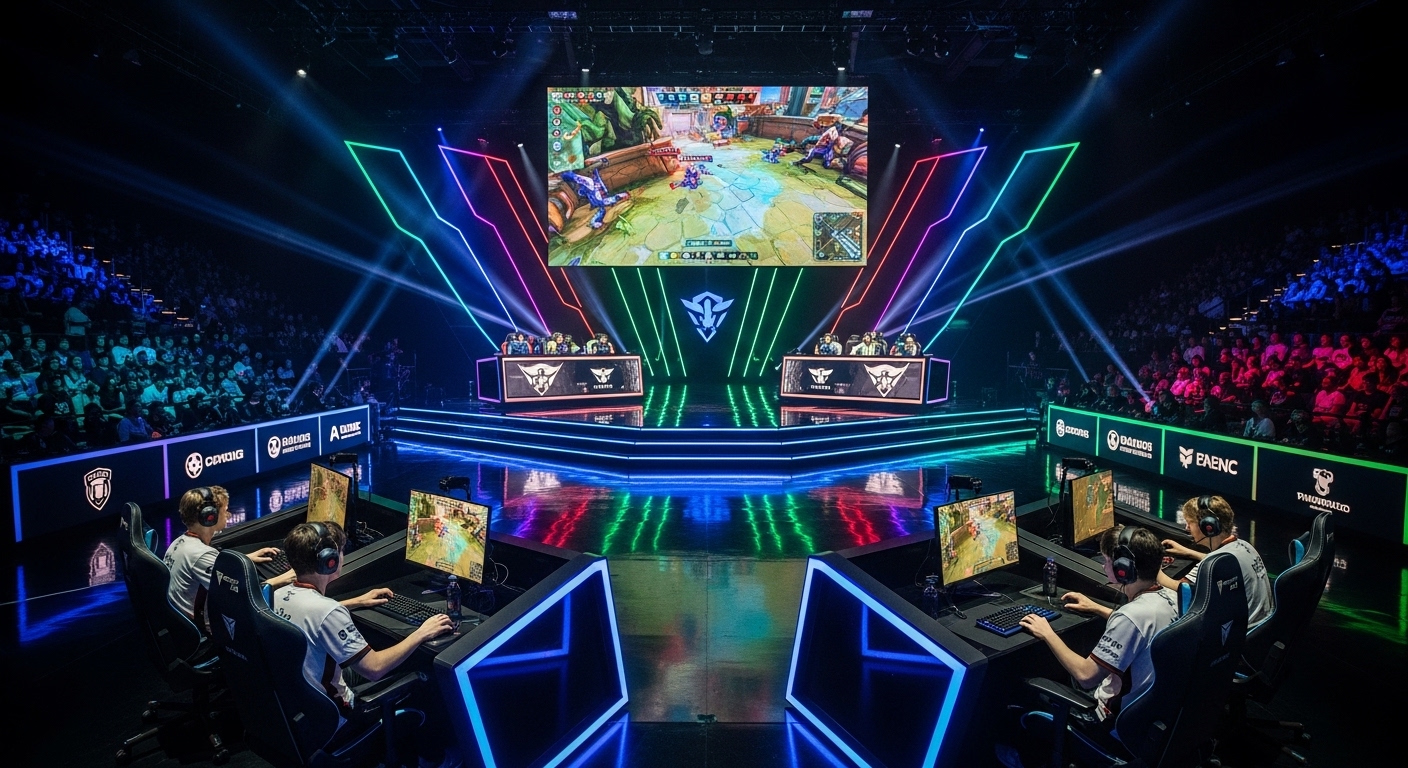
Esports, short for electronic sports, has emerged as a global phenomenon that is transforming the way people view competition, entertainment, and digital engagement. Once considered a niche hobby reserved for gaming enthusiasts, esports has grown into a professional industry with millions of players, viewers, and sponsors worldwide. It encompasses competitive video gaming across genres such as multiplayer online battle arenas, first-person shooters, real-time strategy games, and sports simulations. Beyond the thrill of virtual competition, esports has profound implications for technology, culture, education, and career opportunities. This blog explores the rise of esports, its impact on society, and why it is more than just a game.
The Evolution of Esports
Esports did not emerge overnight. Its roots trace back to the early 1970s and 1980s when simple arcade games and early video consoles provided platforms for competitive play. Events such as the Space Invaders Championship in 1980 showcased the first instances of organized gaming competitions. Over the decades, technological advancements, internet connectivity, and gaming innovations propelled esports into a professional sphere.
The introduction of multiplayer online games in the late 1990s and early 2000s, such as StarCraft, Counter-Strike, and DotA, created opportunities for organized tournaments and global competitions. Streaming platforms in the 2010s, including Twitch and YouTube Gaming, revolutionized viewership, allowing fans to watch competitions live and interact with players. Today, esports is a billion-dollar industry with professional teams, international tournaments, celebrity players, and extensive media coverage.
The Global Reach of Esports
One of the most striking aspects of esports is its worldwide appeal. Unlike traditional sports, esports can connect people across continents instantly, thanks to digital platforms and online multiplayer games. Countries such as South Korea, China, the United States, and several European nations have thriving esports ecosystems, with professional leagues, training facilities, and massive fanbases.
International tournaments attract millions of viewers, rivaling traditional sports broadcasts. Fans follow their favorite players and teams passionately, often forming global communities that share strategies, commentary, and fan art. The accessibility of esports ensures that anyone with a gaming device and internet connection can participate, watch, or engage with the industry, breaking geographical and economic barriers.
The Physical and Cognitive Benefits of Esports
While esports is a digital activity, it still provides significant benefits to players. Unlike passive screen time, competitive gaming requires intense focus, strategic thinking, and quick reflexes. Esports players often develop exceptional hand-eye coordination, multitasking abilities, and rapid decision-making skills. Cognitive benefits include enhanced memory, problem-solving capabilities, and pattern recognition.
Contrary to the misconception that gaming leads to inactivity, professional esports players maintain strict physical routines to support their mental performance. Physical exercise, proper nutrition, and sleep management are essential components of an esports career. Research suggests that combining mental and physical conditioning improves reaction time, concentration, and overall performance, highlighting the holistic nature of professional gaming.
The Economic Impact of Esports
Esports is more than a recreational activity—it is a booming industry with substantial economic influence. Sponsorship deals, merchandise sales, media rights, and ticketed tournaments generate billions of dollars annually. Professional players earn salaries, prize money, and endorsements comparable to traditional athletes, while teams and organizations operate like conventional sports franchises with management, marketing, and training departments.
Esports also creates employment opportunities beyond playing. Commentators, analysts, coaches, event organizers, content creators, and streamers contribute to a diverse ecosystem. Technology companies, software developers, and gaming peripheral manufacturers benefit from the industry’s growth. As esports continues to expand, it is redefining what constitutes a career in sports and entertainment.
Esports and Education
Education and esports are increasingly intersecting, with schools and universities recognizing the value of competitive gaming. Esports programs teach teamwork, leadership, time management, and critical thinking. Students who participate in esports gain skills applicable to STEM fields, project management, and communication. Universities in several countries offer scholarships for esports players, legitimizing gaming as a pursuit alongside academics.
Esports also introduces students to emerging careers in game development, marketing, event management, and media production. Educational institutions are leveraging esports to engage students, foster digital literacy, and encourage problem-solving skills in a modern context.
Social and Community Aspects of Esports
Esports fosters a strong sense of community and social connection. Online platforms allow players to interact with teammates, mentors, and fans, creating global networks of support and camaraderie. Fans engage in live chats during tournaments, participate in fan events, and celebrate the achievements of players and teams collectively.
For many, esports provides a sense of belonging, especially for individuals who may feel isolated or excluded from traditional sports. The inclusive nature of digital competition allows people of all genders, ages, and physical abilities to participate, emphasizing skill and strategy over physical attributes.
Challenges Facing Esports
Despite its growth, esports faces several challenges. Excessive screen time, burnout, and mental health concerns are significant issues for professional players. Maintaining a balance between gaming, physical health, and personal life is critical for long-term success. Additionally, the industry faces scrutiny over fair play, cheating, and online harassment, requiring effective regulation and ethical standards.
Economic inequality can also affect access to competitive gaming, as high-performance devices, stable internet, and gaming peripherals may be financially out of reach for some aspiring players. Ensuring accessibility, fair competition, and player welfare remains an ongoing challenge for the esports ecosystem.
The Future of Esports
The future of esports is promising and dynamic. Virtual reality, augmented reality, and cloud gaming are poised to transform how competitions are played and experienced. New game genres and interactive platforms will expand the possibilities for players and audiences alike. Increasing recognition of esports as a legitimate form of competition will continue to attract sponsorship, investment, and mainstream media coverage.
Esports may also integrate more deeply with education and professional development, creating structured pathways for careers in gaming, technology, and media. As the industry matures, ethical standards, player well-being programs, and community engagement initiatives will further strengthen its sustainability and global impact.
Conclusion
Esports represents a revolutionary shift in how society perceives competition, entertainment, and digital interaction. It has evolved from niche gaming into a global industry with professional players, international tournaments, and a passionate fanbase. Beyond the economic impact, esports develops cognitive skills, strategic thinking, teamwork, and social connectivity. It bridges cultural and geographical gaps, providing opportunities for individuals of all backgrounds to participate and excel.
While challenges such as mental health concerns, accessibility, and fair play exist, the growth and influence of esports continue to expand. Its integration into education, technology, and professional development underscores its legitimacy as a modern sport. Esports is more than just gaming—it is a transformative force shaping careers, communities, and the future of competition in the digital age.