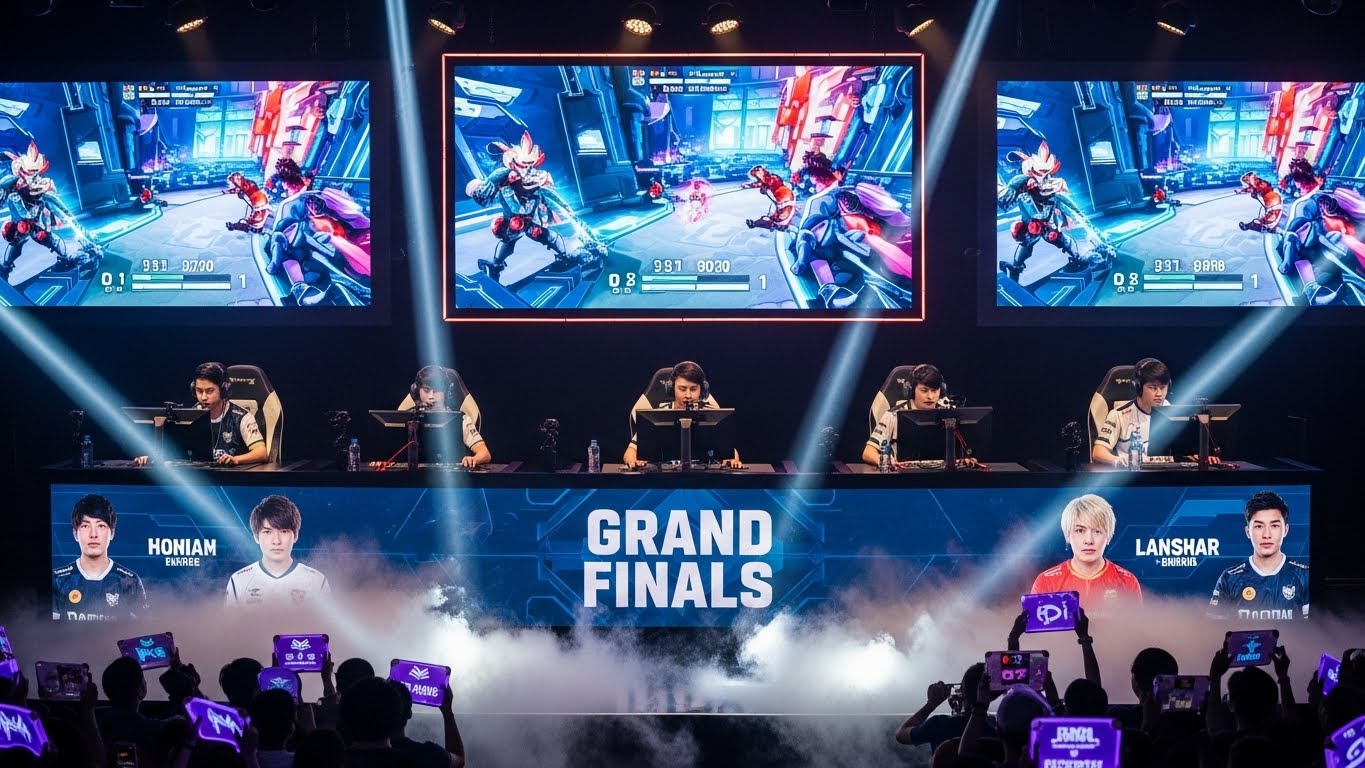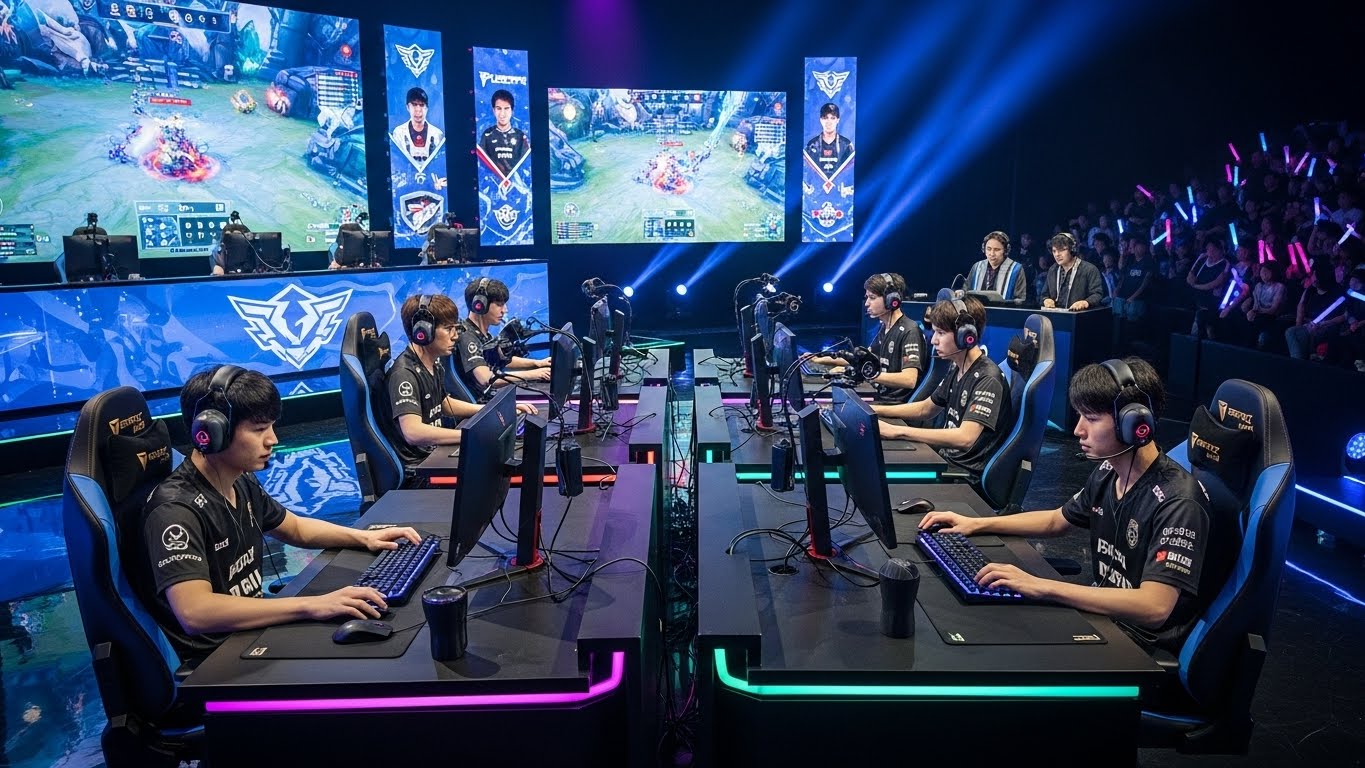
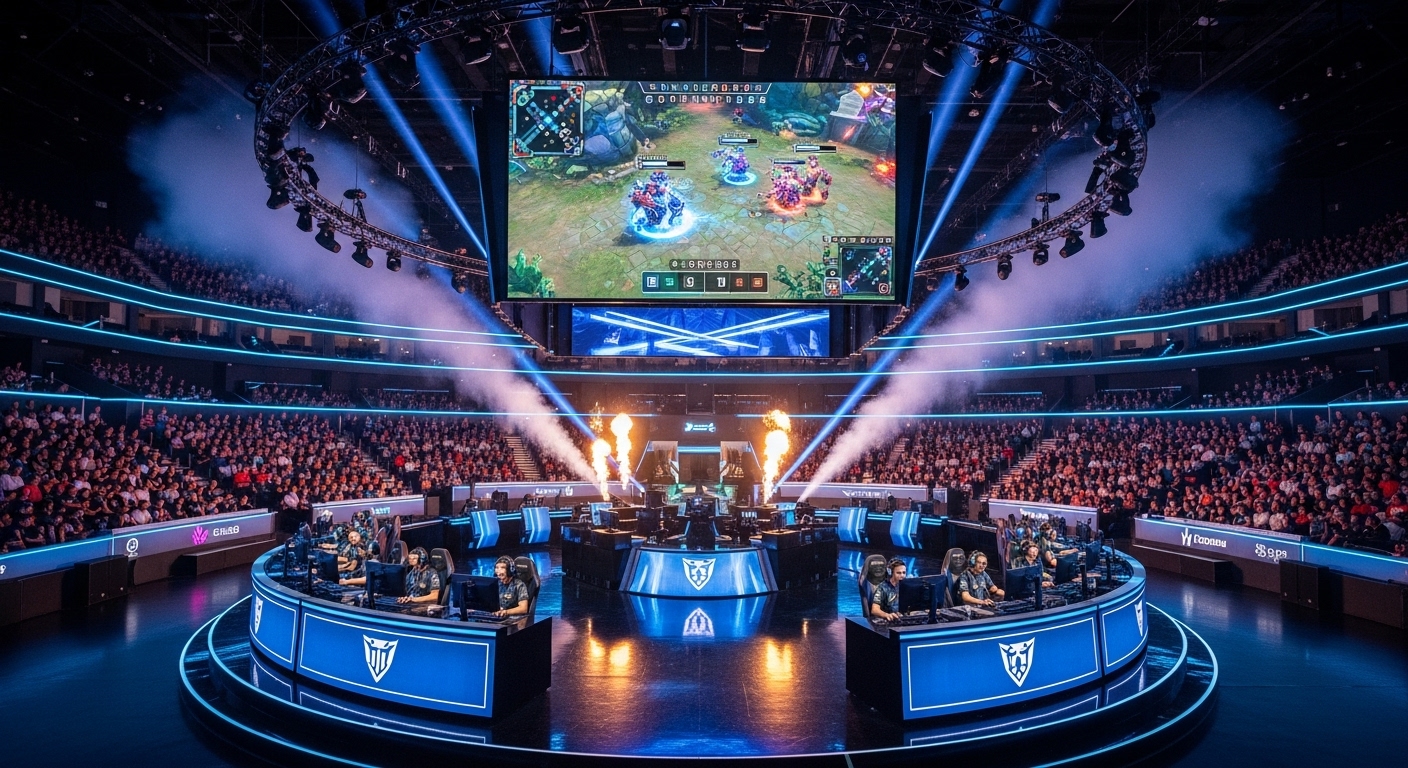
Esports is no longer a niche interest. It has grown into a global phenomenon that commands millions of viewers, professional athletes, and multi-billion-dollar investments. Competitive gaming, once considered a fringe activity, is now a legitimate sport that rivals traditional physical sports in terms of audience size, sponsorship, and media attention. In this post, we will explore the evolution of esports, its impact on the gaming and sports industries, and why it continues to captivate the world’s attention.
The Early Days of Esports: From Casual Gaming to Competitions
The roots of esports can be traced back to the 1990s when multiplayer games started gaining traction. While the term “esports” itself hadn’t yet been coined, the competitive spirit of gaming was evident in early tournaments like the Red Annihilation tournament for Quake in 1997, where professional players competed for a grand prize and the honor of being crowned the best in the world. These early events set the stage for what would become a massive, global competitive ecosystem.
In the late 1990s and early 2000s, the advent of games like StarCraft, Warcraft III, and Quake fueled the rise of organized gaming tournaments. While the games were still largely played by enthusiasts and hobbyists, they established the foundation for the competitive scene that would grow exponentially in the following decades. Major tournaments such as the World Cyber Games (WCG) and Electronic Sports World Cup (ESWC) helped elevate gaming into a global spectacle, attracting players and viewers from around the world.
However, the true turning point for esports came with the creation of online multiplayer games and the rise of digital streaming platforms. The ability for players to compete from their homes against others across the world brought a new level of accessibility to competitive gaming. Twitch, launched in 2011, further revolutionized esports by allowing gamers to stream their performances live, creating a platform for fans to watch and engage with their favorite players in real-time. This shift from offline to online competitions expanded esports’ reach exponentially, leading to the massive global industry we know today.
The Rapid Growth of Esports: A Billion-Dollar Industry
What began as small-scale tournaments has now blossomed into a multi-billion-dollar industry, complete with lucrative sponsorships, massive prize pools, and a rapidly growing fanbase. By 2025, the global esports industry is expected to exceed $1.5 billion in revenue, fueled by ticket sales, advertising, broadcasting rights, sponsorships, and merchandise. Companies like Intel, Red Bull, Coca-Cola, and Mercedes-Benz have all invested heavily in the esports scene, recognizing its potential as a profitable and highly engaging form of entertainment.
Today, esports spans a wide range of genres, including real-time strategy games (League of Legends, Dota 2), first-person shooters (Counter-Strike: Global Offensive, Call of Duty), and multiplayer online battle arenas (MOBA games like Dota 2). Each of these genres has its own set of leagues, teams, and tournaments, creating a highly diverse and interconnected ecosystem that appeals to a broad range of gaming fans. The League of Legends World Championship, The International (for Dota 2), and the Overwatch League are just a few examples of the high-profile tournaments that draw millions of viewers and boast prize pools worth tens of millions of dollars.
Esports has also gone beyond traditional gaming events, with innovative formats such as reality shows, documentaries, and team-based content becoming popular among fans. These changes reflect how esports is evolving from a series of niche events into a global entertainment spectacle.
The Professionalization of Esports: More Than Just a Game
Esports is now a legitimate career for many professional players, with some individuals making a living from their gaming talents. The life of a professional esports athlete is demanding, with players practicing for up to 12 hours a day in order to hone their skills, analyze their performance, and improve their teamwork. Success at the top level requires more than just gaming skills—it also demands strategic thinking, communication, and mental fortitude.
Esports teams and organizations, such as Team Liquid, Fnatic, and Cloud9, have become household names in the industry. These teams recruit top-tier players from around the world and provide them with everything they need to succeed, including coaches, analysts, managers, and facilities to train in. Players often live and train together in team houses, where they can focus solely on refining their gameplay and improving team dynamics. The professionalization of esports has led to the creation of not just players, but also an entire support infrastructure that includes team owners, analysts, marketing teams, and more.
Esports players are increasingly recognized as elite athletes, with their skills and dedication compared to those of traditional sports figures. Like athletes in physical sports, esports players undergo intense training regimens and face the pressure of performing in front of live audiences, whether in stadiums or on digital streaming platforms. The mental and physical strain of being a professional gamer has led many organizations to bring in psychologists, nutritionists, and fitness experts to help players maintain peak performance.
The Intersection of Esports and Traditional Sports
One of the most interesting developments in recent years is the growing relationship between esports and traditional sports. Several major sports franchises have recognized the value of esports, both as a new form of entertainment and as an avenue to engage younger, tech-savvy audiences. Teams from the NFL, NBA, and even football clubs from around the world are entering the esports scene, launching their own competitive gaming teams, and sponsoring esports events.
The NBA 2K League, which was launched by the National Basketball Association (NBA) in 2018, is one of the most prominent examples of this crossover. The league features professional gamers competing in the NBA 2K video game, and it has received significant attention from basketball fans. Similarly, teams like Paris Saint-Germain and Manchester City have invested in esports teams that compete in FIFA tournaments, leveraging their traditional sports brand to attract a broader global fanbase.
Beyond team ownership, individual athletes have also started to invest in esports. For example, basketball legend Michael Jordan became a shareholder in Team Liquid, one of the most successful esports organizations. This trend of athletes and celebrities investing in esports reflects the growing importance of gaming as a mainstream form of entertainment.
The intersection of esports and traditional sports has also opened up the potential for hybrid events, where traditional sports and esports co-exist. Such events could feature esports tournaments alongside traditional sports matches, allowing fans to enjoy both types of entertainment in one location or broadcast.
The Role of Fans in Esports: A Global Community
At the heart of esports is its vibrant, engaged fanbase. The relationship between esports players and fans is one of the defining aspects of the industry. Unlike traditional sports, where fans often watch games from a distance, esports fans are highly interactive. Platforms like Twitch and YouTube Gaming have made it easier for fans to directly engage with their favorite players, participate in live chats, and even make donations during live streams.
The esports community is unique in that it transcends geographical boundaries. Fans from all over the world can watch and cheer for teams from different countries, creating a sense of global camaraderie. The accessibility of online streaming has made esports a truly international phenomenon, with millions of fans tuning in to watch tournaments, regardless of their location or language.
Esports events themselves are massive spectacles, attracting huge audiences both online and offline. Major tournaments like the League of Legends World Championship and The International draw hundreds of thousands of fans to stadiums, while millions more watch online. These events are more than just competitive matches; they are cultural events that unite people from different walks of life, creating a shared experience for all.
Beyond live events, esports fans also participate in creating content such as fan art, memes, and video analyses. This content plays a vital role in building the esports culture and extending its reach. Esports has become a lifestyle for many, where fans not only follow the games but also create and share content that celebrates the players, teams, and moments they love.
The Future of Esports: Beyond Gaming
As esports continues to evolve, its future looks even more promising. The potential for esports to expand into new territories, reach new demographics, and innovate in terms of technology is limitless. Mobile esports is one area that is already making waves, particularly in regions like Southeast Asia and India, where smartphones are the primary device for gaming. Games like PUBG Mobile and Free Fire have seen explosive growth, attracting millions of players and viewers worldwide.
Furthermore, the integration of emerging technologies such as virtual reality (VR) and augmented reality (AR) could revolutionize how esports are played and experienced. Imagine a future where players are immersed in a fully interactive virtual world while competing, or where fans can watch a match unfold in 360-degree views, experiencing the action from any angle they choose. Such technological advancements could blur the lines between digital and physical spaces, creating entirely new forms of esports entertainment.
Another exciting development is the potential for esports to be included in major global sporting events, such as the Olympics. While there have been ongoing discussions about whether esports should be considered for Olympic inclusion, some initial steps have been taken, such as esports being featured as a demonstration event at the 2022 Asian Games. If esports were to be added to the Olympics, it could bring the sport to a whole new level of recognition and legitimacy.
Conclusion: The Esports Revolution
Esports has come a long way since its early days, transforming from a niche hobby to a global cultural movement that continues to break records and push boundaries. The industry has attracted millions of fans, top-tier players, major sponsors, and investors, making it clear that competitive gaming is here to stay. Whether you’re a hardcore gamer, a casual viewer, or someone who’s just starting to explore