Introduction: Esports as a Global Phenomenon
Esports, or competitive gaming, has grown from a niche hobby into a global industry attracting millions of players, fans, and investors. Once confined to local gaming tournaments or basement competitions, esports now fills stadiums, streams to millions online, and offers professional careers to talented players. It combines skill, strategy, teamwork, and entertainment, creating a cultural phenomenon that rivals traditional sports. The rise of esports reflects the broader impact of digital culture on entertainment, social interaction, and professional opportunities.
The Evolution of Competitive Gaming
Competitive gaming began in the late 20th century with arcade tournaments and early console competitions. Games like Street Fighter and StarCraft laid the foundation for organized competitive play. Early tournaments were limited in scale, often relying on local communities or university networks. However, the potential for online competition changed the landscape dramatically.
With the advent of high-speed internet and streaming platforms, players could compete against opponents around the world in real-time. Games such as League of Legends, Counter-Strike, and Dota 2 became central to the esports ecosystem. Professional leagues, structured tournaments, and international competitions transformed gaming into a spectator sport with global appeal.
Popular Esports Titles and Genres
Esports encompasses a wide variety of game genres, each with its own competitive scene and audience. Multiplayer online battle arena (MOBA) games, such as League of Legends and Dota 2, emphasize strategy, teamwork, and fast decision-making. First-person shooters (FPS) like Counter-Strike: Global Offensive and Valorant focus on precision, reflexes, and tactical coordination. Battle royale games, including Fortnite and PUBG, combine survival instincts with competitive gameplay.
Sports simulation titles like FIFA and NBA 2K offer virtual renditions of real-world sports, attracting both gamers and traditional sports fans. Each genre has cultivated dedicated communities, professional players, and unique strategies, demonstrating the diversity and depth of esports.
The Professionalization of Esports
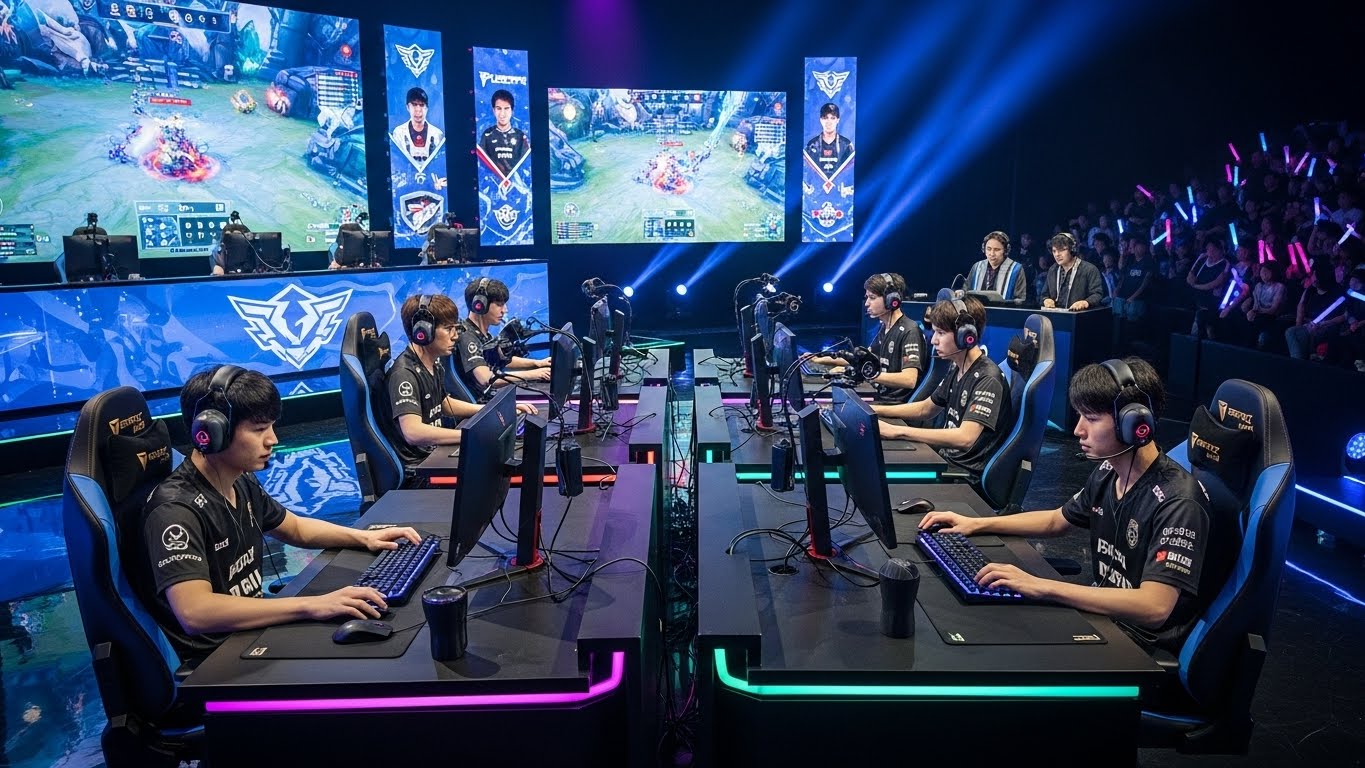
Esports has evolved into a professional industry with structured teams, coaching staff, sponsorships, and dedicated training facilities. Professional players often follow rigorous schedules, practicing for hours each day to refine skills, analyze strategies, and prepare for tournaments. Organizations invest in talent scouting, analytics, and brand development to maintain competitive advantage.
This professionalization mirrors traditional sports, with contracts, salaries, and global recognition. Successful esports athletes gain celebrity status, endorsement deals, and media attention. The growth of professional leagues has also inspired aspiring players worldwide, creating pathways for careers in gaming, commentary, content creation, and event management.
Esports Tournaments and Events
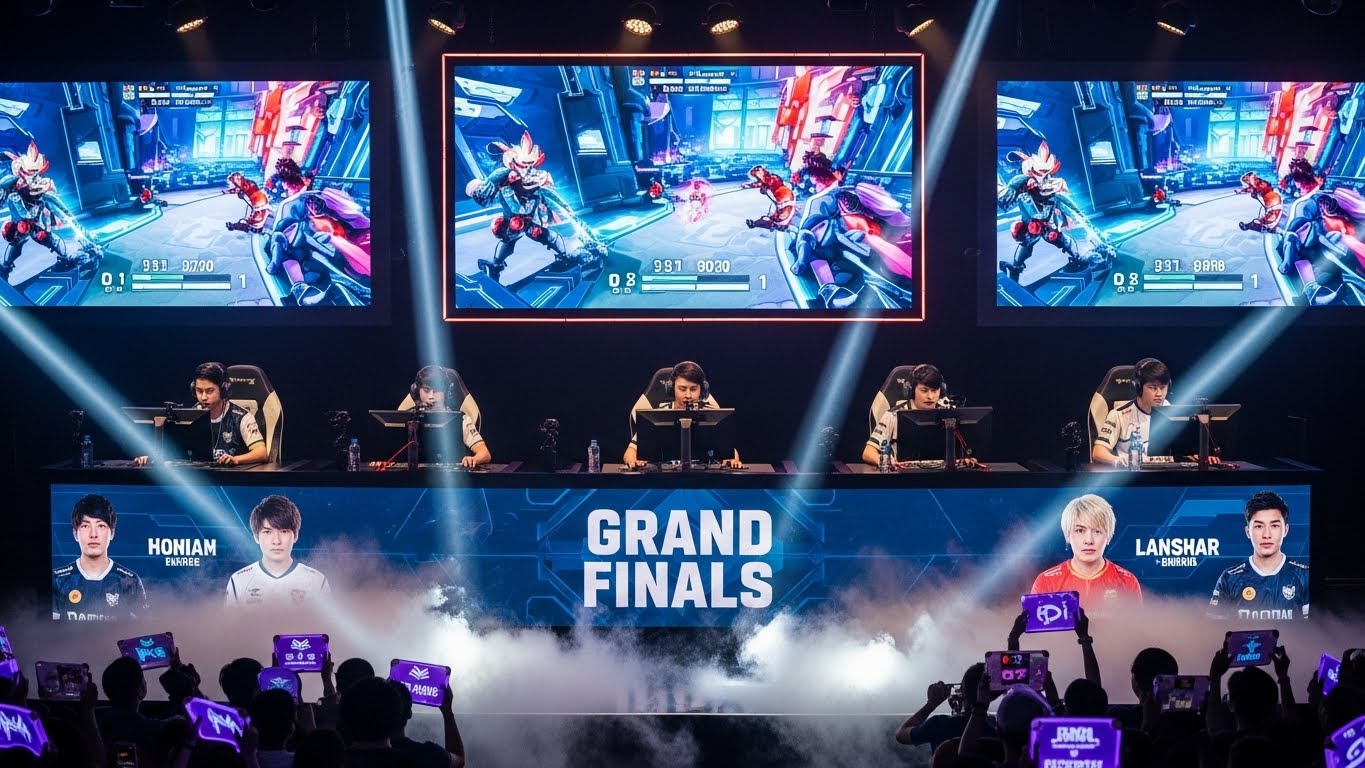
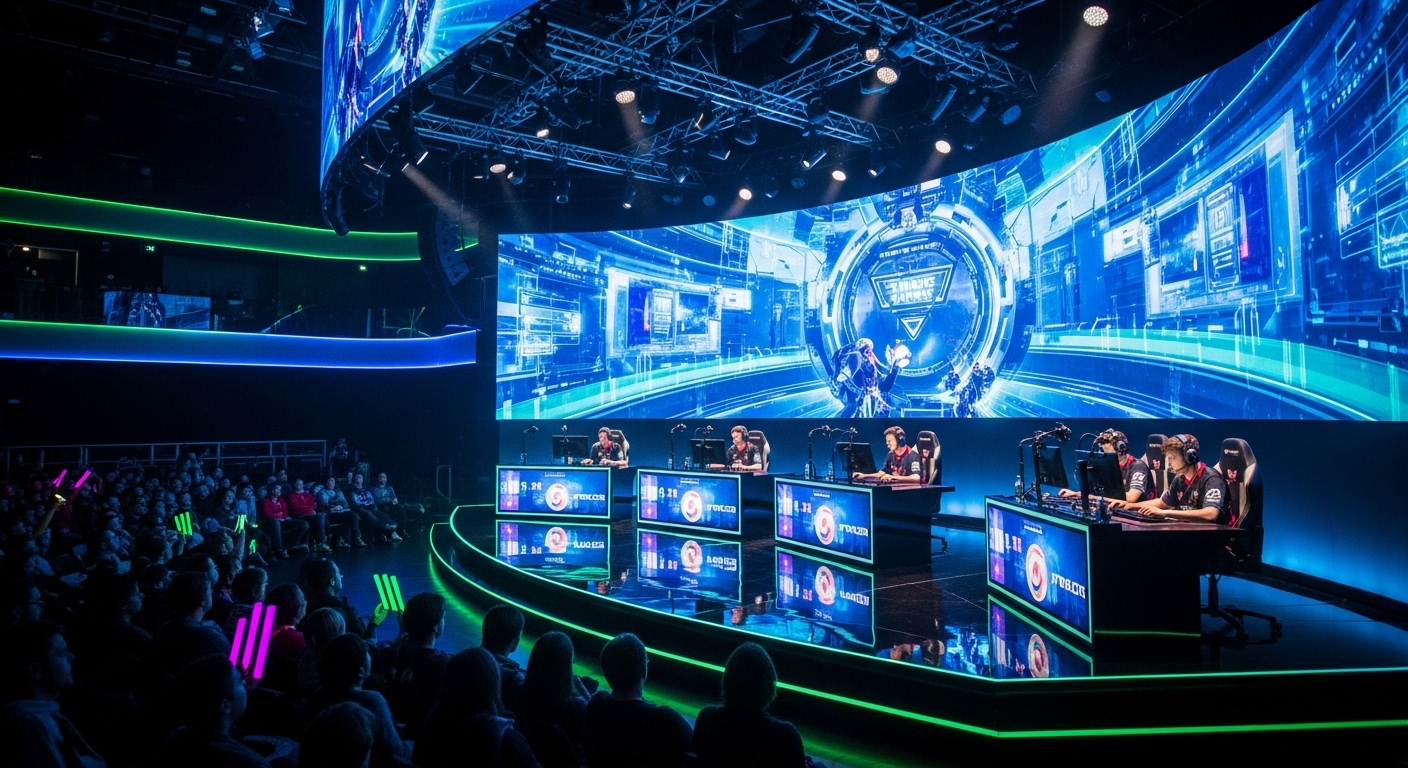
Esports tournaments have become major spectacles, drawing both live and online audiences. Events such as The International for Dota 2, the League of Legends World Championship, and CS:GO Major Championships showcase top-tier competition and offer multi-million-dollar prize pools. These tournaments are not only about the competition but also about entertainment, featuring elaborate production, storytelling, and fan engagement.
Live events create a shared experience for fans, building excitement and community. Online streaming platforms amplify this effect, allowing millions to watch, interact, and support their favorite teams from anywhere in the world. The combination of accessibility, spectacle, and competition has propelled esports into mainstream recognition.
The Role of Streaming Platforms
Streaming platforms have revolutionized how audiences consume esports. Services like Twitch, YouTube Gaming, and other live-streaming networks enable real-time viewing and interaction. Fans can watch live gameplay, engage with players through chat, and participate in community discussions. This interactivity adds a new dimension to spectator experience, making viewers feel part of the action.
Streaming has also provided opportunities for content creators to build personal brands, grow fan bases, and monetize their gameplay. Many professional players supplement their income through streaming, sponsorships, and merchandise, creating diverse revenue streams. The integration of streaming into esports has strengthened its global reach and sustainability.
Esports and Community Building
One of the most powerful aspects of esports is its ability to build communities. Fans share strategies, discuss gameplay, and celebrate victories together. Social media and online forums facilitate communication, creating networks of support and engagement. Communities also provide opportunities for mentorship, skill development, and collaborative learning.
Esports fosters inclusivity by welcoming players from diverse backgrounds, cultures, and age groups. Many tournaments feature international teams, showcasing talent from around the world. The sense of belonging and shared passion strengthens the appeal of esports as both a hobby and a cultural movement.
The Economic Impact of Esports
Esports has emerged as a multi-billion-dollar industry, with revenue streams from sponsorships, advertising, media rights, ticket sales, merchandise, and in-game purchases. Brands recognize the value of esports for reaching younger, digitally engaged audiences. Partnerships with gaming organizations, tournaments, and streaming influencers have become essential marketing strategies.
The economic impact extends beyond professional players and organizations. Event production, technology providers, content creators, and peripheral manufacturers all benefit from the growth of esports. The industry has created jobs, entrepreneurial opportunities, and a new market segment with significant global influence.
Training, Strategy, and Skill Development
Esports requires a combination of physical and mental skills. Reflexes, hand-eye coordination, and precise control are essential for fast-paced gameplay. Equally important are strategic thinking, teamwork, communication, and adaptability. Professional teams analyze gameplay data, study opponents, and develop detailed strategies to gain competitive advantages.
The process of training mirrors traditional sports in its discipline and rigor. Players often maintain strict routines, balancing physical fitness, mental focus, and practice sessions. This structured approach highlights the dedication and professionalism required to succeed in esports, reinforcing its legitimacy as a competitive endeavor.
Challenges in the Esports Industry
Despite its rapid growth, esports faces challenges. Player burnout, health concerns, and mental strain are common due to long hours of practice and high-pressure competition. Financial instability can affect smaller teams and organizations that struggle to secure sponsorships or maintain sustainable operations.
Additionally, esports must address issues related to fair play, cheating, and integrity. Developers implement anti-cheat measures, regulations, and tournament oversight to maintain competitive fairness. Social challenges such as toxicity and harassment in online communities also require attention, with initiatives aimed at fostering respectful and inclusive environments.
The Cultural Influence of Esports
Esports has a profound cultural impact. It influences fashion, lifestyle, music, and entertainment trends. Professional players become cultural icons, inspiring fans with their dedication, skill, and personalities. Esports has also inspired documentaries, films, and series that explore the lives of players and the competitive world behind the screens.
The cultural resonance of esports extends to education and professional development. Universities now offer esports scholarships, courses in game design, and management programs focused on the industry. This integration of esports into academia underscores its legitimacy and growing significance in contemporary culture.
The Future of Esports
The future of esports promises continued growth and innovation. Emerging technologies such as virtual reality, augmented reality, and artificial intelligence will enhance gameplay, spectatorship, and training. Cross-platform integration will increase accessibility, allowing more players to participate regardless of device or location.
Global expansion will bring esports to new regions, with localized leagues and tournaments catering to diverse audiences. Increased recognition from traditional sports organizations, media outlets, and governments will further solidify esports as a mainstream industry. As esports evolves, it will continue to redefine competition, entertainment, and digital culture.
Conclusion: Esports as a Defining Feature of Modern Entertainment
Esports has grown from humble beginnings to become a defining feature of modern entertainment. It combines competition, skill, community, and spectacle, creating an industry with cultural, social, and economic significance. The rise of esports reflects the changing nature of how people play, watch, and engage with digital media. As technology advances, communities expand, and professional opportunities flourish, esports is poised to remain at the forefront of global entertainment for years to come. It is not merely a game; it is a cultural movement, a career pathway, and a testament to the evolving power of interactive media.