Introduction: The New Age Arena
Esports, once a niche pastime enjoyed quietly in internet cafés and living rooms, has evolved into a worldwide competitive spectacle. The modern esports landscape is not only reshaping entertainment but also redefining how society views athleticism, teamwork, and digital mastery. Over the past decade, this industry has exploded in popularity, becoming a cultural, technological, and economic force. Today, esports stands shoulder-to-shoulder with traditional sports in terms of audience engagement, professional opportunities, and global appeal.
The Birth of Competitive Gaming
Esports did not emerge overnight. Its roots stretch back to the early days of arcade tournaments, where players competed for high scores and bragging rights. As home computers and gaming consoles grew more powerful, competition shifted online, allowing players around the world to test their skills against one another. Titles like early strategy games, first-person shooters, and fighting games laid the groundwork for organized competitive play.
Gradually, gaming communities formed, and dedicated tournaments took shape. Although these early events were modest, they set the stage for a new type of competition—one driven by digital performance, split-second decision-making, and strategic depth. Game developers recognized the potential and began supporting organized competitive scenes, accelerating the industry’s growth.
Technology: The Engine of Expansion
The rapid rise of esports is directly tied to advancements in technology. High-speed internet enabled real-time online matches, while powerful hardware allowed games to run smoothly and competitively. Livestreaming became a transformative development, allowing fans to watch matches from anywhere in the world. The ability to broadcast tournaments, commentate on gameplay, and interact with fans revolutionized how gaming was consumed.
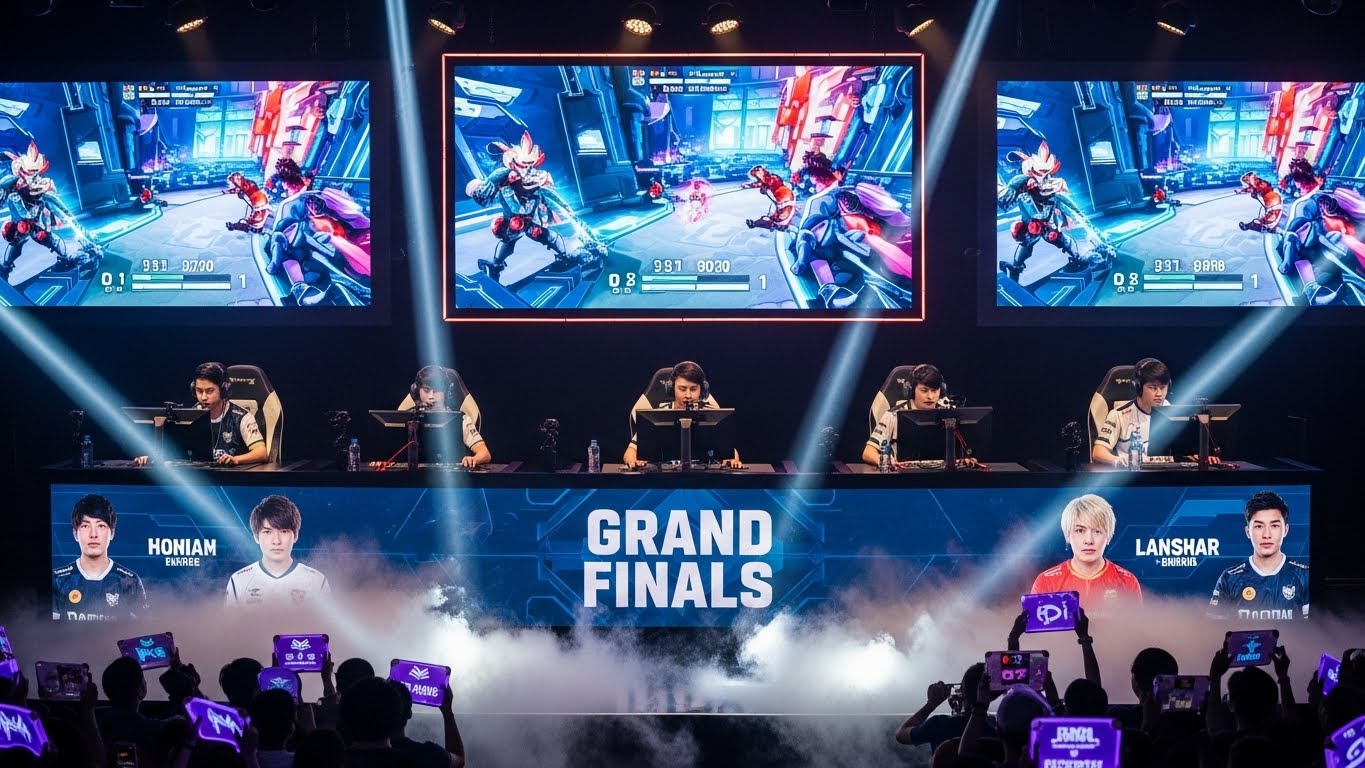
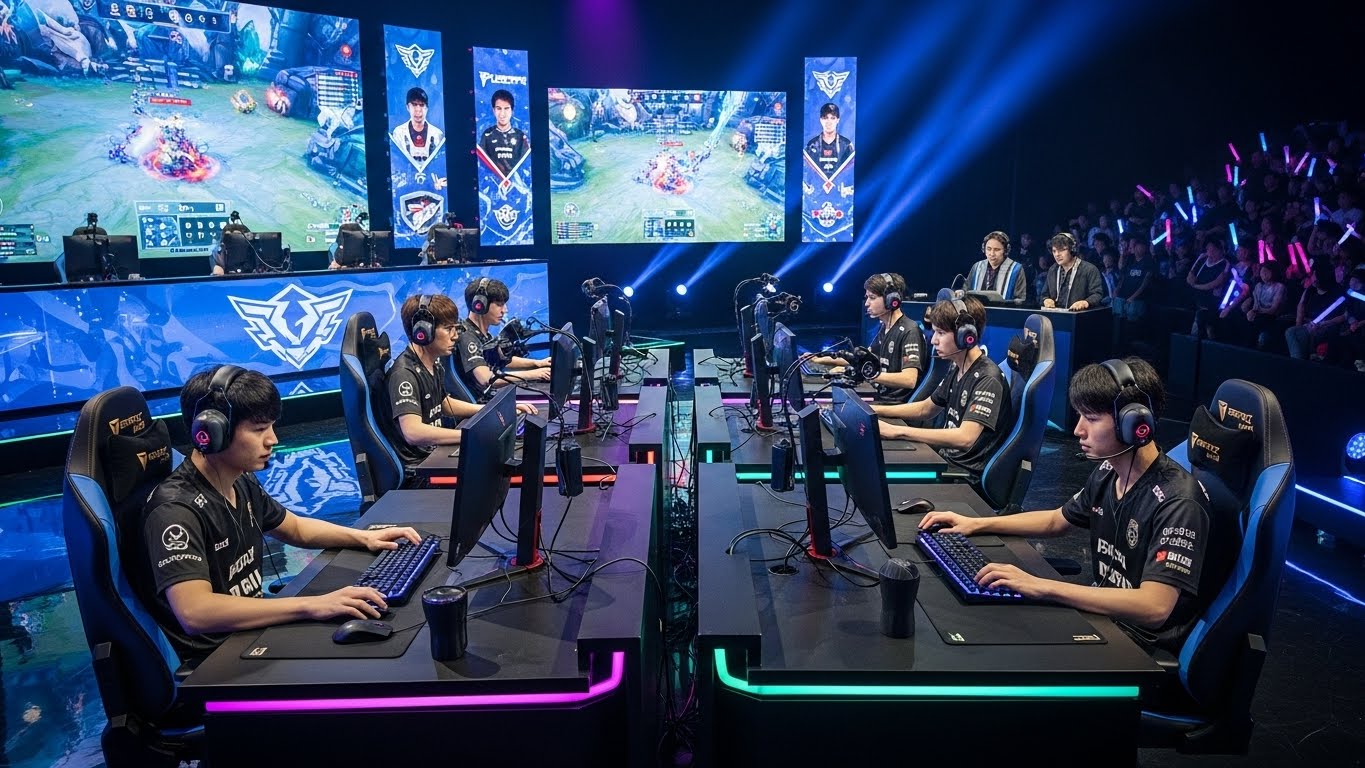
Modern esports arenas now feature massive screens, advanced lighting, broadcast booths, and high-end gaming equipment. Teams use analytics tools to review gameplay, study opponents, and optimize performance. Technology continues to push esports forward, ensuring the experience is as engaging and professional as any traditional sport.
The Rise of Professional Players
Esports athletes, often referred to as pro gamers, have become digital gladiators in a competitive arena. Their training routines resemble those of traditional athletes, with practice schedules stretching eight to twelve hours a day. They analyze strategies, perfect mechanics, and work with coaches and analysts to remain at peak performance.
These players build fanbases, secure sponsorship deals, and compete for prize pools worth millions. Their dedication demonstrates that esports is not merely entertainment; it is a profession requiring discipline, skill, and mental resilience. The best players become icons, not because of physical prowess, but due to their ability to control chaos on a digital battleground.
Global Tournaments and Massive Prize Pools
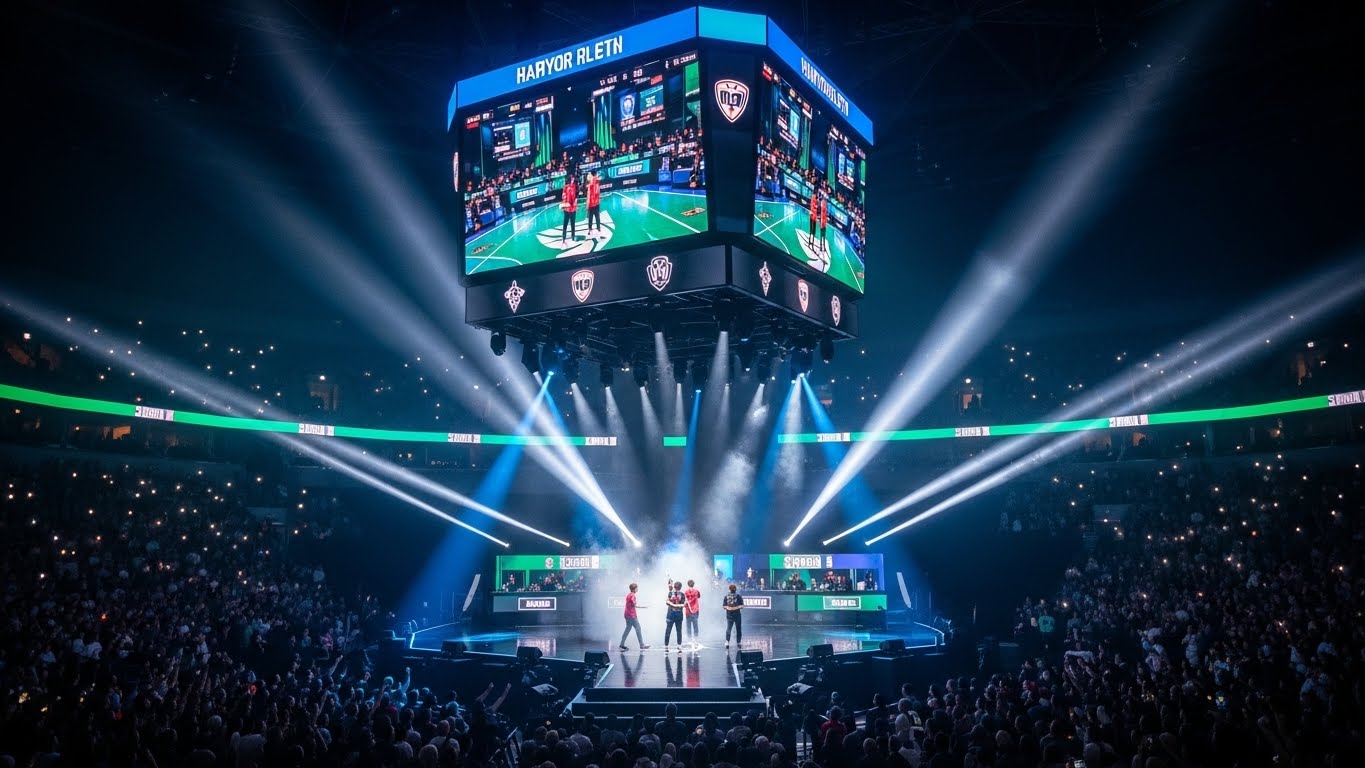
One of the most spectacular aspects of esports is its global reach. Tournaments draw viewers from every continent, turning championship events into massive celebrations of competitive gaming. Highly anticipated tournaments fill stadiums, with crowds cheering as teams battle across virtual worlds.
Prize pools have grown dramatically, attracting attention from media, brands, and investors. Competitive titles across genres now host annual championships with life-changing rewards for the winners. These tournaments not only highlight the skill of top players but also showcase the energy, diversity, and excitement that define the esports community.
Communities Built on Passion
Esports thrives on its passionate community. Online forums, social platforms, and fan groups foster an environment where players and fans connect, share strategies, and celebrate victories. Unlike traditional sports, where physical distance can limit involvement, esports lives in the digital realm. Anyone with a computer or console can participate, spectate, or join discussions instantly.
This sense of inclusivity has strengthened the industry. Fans often form long-lasting bonds with teams, players, and fellow supporters. Community-driven content, such as guides, commentary, and fan art, contributes to the vibrancy of the esports ecosystem. The collaborative energy of the community is a core reason for its ongoing expansion.
The Role of Game Developers
Game developers play a crucial role in shaping the future of esports. They design balanced gameplay, update competitive mechanics, and ensure the experience remains engaging for both players and spectators. Many developers now build esports-friendly features directly into games, including ranked modes, spectator tools, and support for tournaments.
Developers also invest in competitive infrastructures, helping teams, leagues, and organizers create stable, long-term opportunities. This partnership between developers and the competitive scene ensures that esports continues to grow sustainably while maintaining fairness and integrity.
Training, Coaching, and Mental Performance
Behind every successful esports team is a support structure similar to that of traditional athletics. Teams employ coaches who specialize in strategies, player development, and mental strength. Analysts break down gameplay footage to identify mistakes, improve teamwork, and refine tactics. Nutritionists, fitness trainers, and psychologists may also be part of professional organizations, helping players maintain healthy routines and manage the pressures of competition.
Esports emphasizes not only mechanical skill but also communication, decision-making, and emotional control. Training programs focus on reaction time, concentration, and strategic thinking. This structured approach has elevated esports from casual competition to a disciplined profession.
The Economics of the Esports Industry
Esports is big business. Revenues come from sponsorships, advertising, merchandise, ticket sales, and media rights. Corporate brands see immense value in the young, tech-savvy audiences who follow esports passionately. As a result, they invest heavily in teams, events, and content creators.
Esports organizations operate much like traditional sports clubs, managing rosters, marketing efforts, and brand partnerships. They build training facilities, develop fan experiences, and create long-term strategies to stay competitive. The industry’s economic footprint continues to grow, attracting investors, entrepreneurs, and professionals from diverse fields.
Cultural Impact and Acceptance
Esports has shifted public perception of gaming. What was once viewed as a hobby has transformed into a respected form of competition and entertainment. Schools and universities now offer esports programs and scholarships, recognizing the strategic and cognitive skills involved. Mainstream media increasingly covers major tournaments and highlights players’ achievements.
Esports also bridges cultural gaps. It brings people from different backgrounds together, united by shared interests. The diversity of players and fans reflects a global community that values skill over physical traits or geographic location. This inclusivity is one of the driving forces behind esports’ cultural resonance.
Challenges Facing the Industry
Despite its success, esports faces challenges. Player burnout, mental health concerns, and intense competition pressure require ongoing attention. Maintaining fairness, preventing cheating, and regulating player contracts are essential for long-term stability. Additionally, the rapidly evolving nature of games means the competitive landscape can change quickly, requiring constant adaptation.
Ensuring sustainability is crucial. As the industry matures, it must balance commercial interests with the well-being of players and the integrity of competition. Addressing these challenges will define the next chapter of esports growth.
The Future of Esports
The future of esports looks incredibly promising. Virtual reality, augmented reality, and advanced AI technologies may create entirely new types of competitive experiences. More countries are investing in esports infrastructure, and global recognition continues to expand. As competitive gaming integrates with mainstream entertainment, the boundaries between digital and traditional sports may blur even further.
Youth participation continues to rise, signaling a new generation that sees esports as a natural part of their lives. With continuous innovation, expanding audiences, and increasing opportunities, esports is poised to remain a dominant force in global entertainment.
Conclusion: A Digital Revolution in Competition
Esports represents a revolution in how we experience competition, entertainment, and community. It showcases the power of technology, the depth of human skill, and the global nature of modern culture. From humble beginnings to worldwide stadium events, esports has proven that passion and innovation can create extraordinary opportunities.