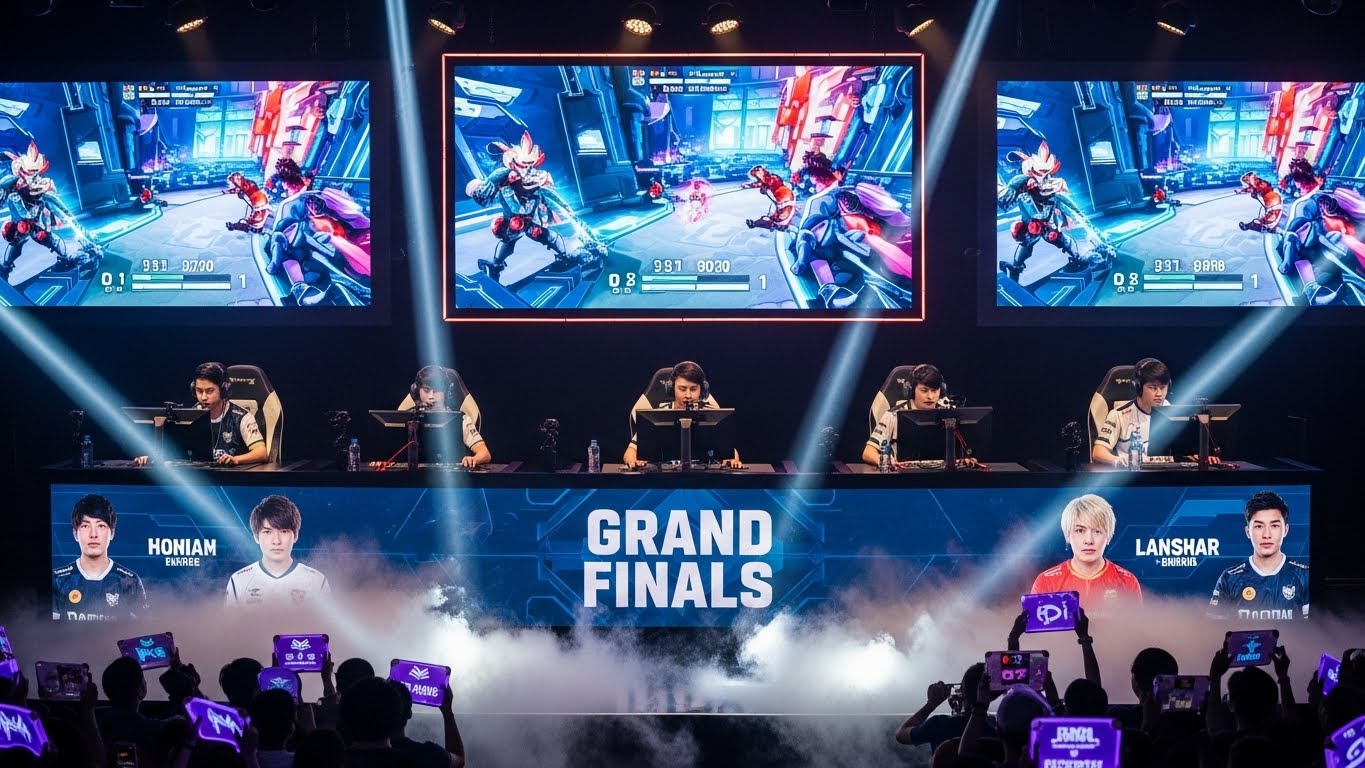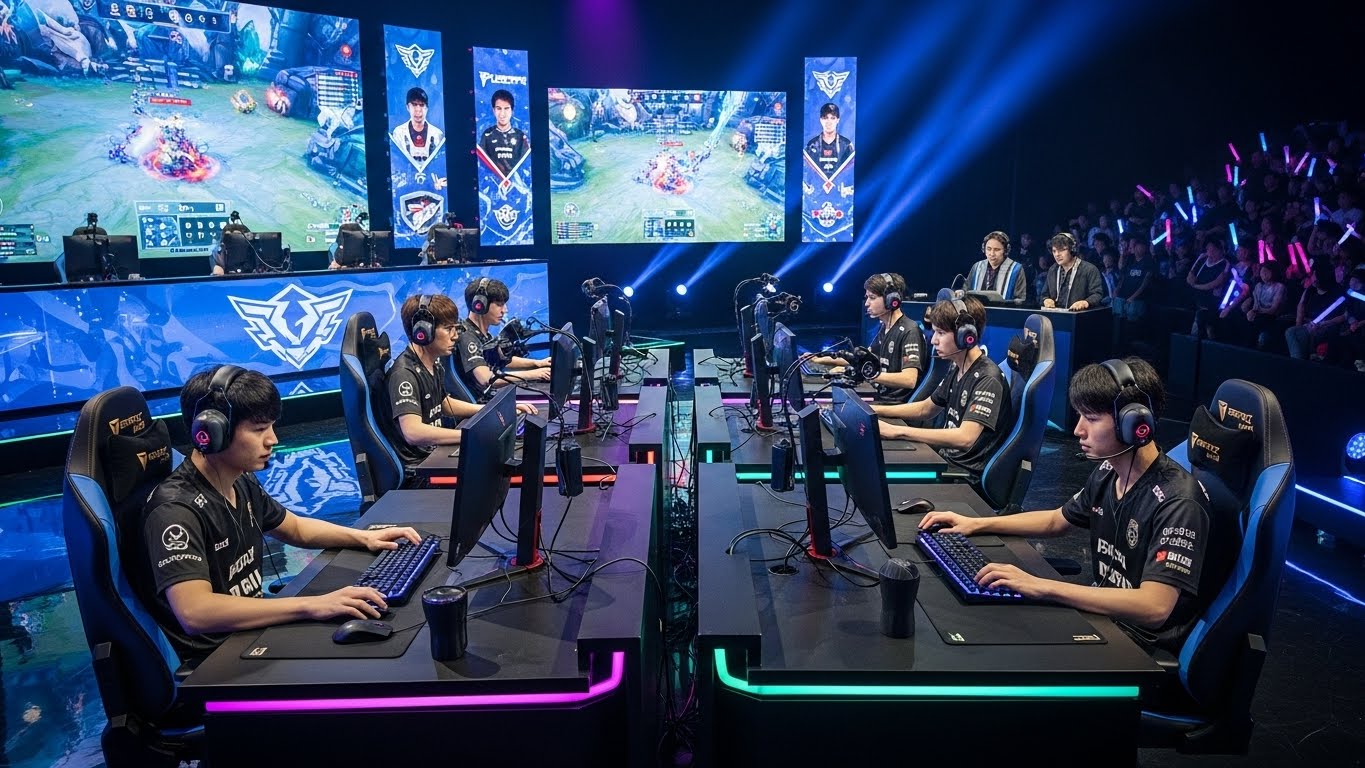

Esports, or competitive video gaming, has evolved from a niche hobby into a global phenomenon that rivals traditional sports in popularity, viewership, and economic impact. What once started as informal competitions among friends has now become a professional industry with players earning substantial salaries, teams competing internationally, and millions of fans tuning in to watch live tournaments. The growth of esports is not only reshaping the entertainment landscape but also influencing culture, technology, and education. In this blog post, we explore the rise of esports, its benefits, challenges, and its transformative role in modern society.
The Origins of Esports
The roots of esports trace back to the late 1970s and early 1980s when arcade gaming became a popular pastime. Early competitions like the Space Invaders Championship in 1980 laid the foundation for organized gaming contests. As personal computers and home consoles became widespread, competitive gaming grew in scale and complexity. By the 1990s, games such as StarCraft, Quake, and Counter-Strike established a competitive scene with dedicated tournaments, fostering a sense of community among players.
The 2000s marked a turning point with the rise of online gaming and streaming platforms. These technologies allowed players from around the world to compete in real-time and audiences to watch matches live, further popularizing esports. Today, esports encompasses a wide variety of genres, from first-person shooters and strategy games to sports simulations and fighting games. This evolution demonstrates that esports has always been a reflection of technological innovation and cultural shifts.
The Global Growth of Esports
Esports has grown into a multi-billion-dollar industry with a rapidly expanding fan base. Major tournaments like the League of Legends World Championship, The International for Dota 2, and the Fortnite World Cup attract millions of viewers worldwide, both online and in stadiums. Countries such as South Korea, China, and the United States lead in esports infrastructure, hosting large-scale competitions and supporting professional teams.
The industry’s financial impact is immense. Revenue streams include sponsorship deals, advertising, merchandising, broadcasting rights, and ticket sales. Corporations recognize the marketing potential of esports, targeting younger demographics that consume traditional media less frequently. The economic influence of esports extends beyond the players and organizers, creating opportunities for coaches, analysts, content creators, event managers, and technology developers.
Esports as a Career
The professionalization of esports has turned gaming into a viable career path for many individuals. Professional esports players undergo rigorous training schedules, often practicing for six to ten hours a day to refine their skills. They participate in regional and international tournaments, competing for prize money that can reach millions of dollars. Beyond competition, players build personal brands through social media, streaming platforms, and merchandise sales.
Esports careers are not limited to players. The industry offers roles in coaching, team management, marketing, broadcasting, and analytics. Just like traditional sports, success in esports requires discipline, teamwork, strategic thinking, and the ability to perform under pressure. As the industry continues to grow, the number of career opportunities is expected to expand, making esports a legitimate professional avenue for the next generation.
Cognitive and Skill Benefits of Esports
Contrary to the stereotype that video gaming is purely recreational, esports offers numerous cognitive and skill-based benefits. Competitive gaming enhances hand-eye coordination, reaction time, and spatial awareness. Many games require strategic planning, multitasking, and problem-solving, promoting critical thinking and adaptability. Team-based games cultivate communication, leadership, and collaboration skills, which are transferable to academic and professional settings.
Esports also encourages resilience and perseverance. Players learn to cope with losses, analyze mistakes, and continually improve their performance. The intense focus required during competition develops mental stamina, patience, and decision-making abilities. For young people, participating in esports can provide a structured environment for skill development, social interaction, and personal growth.
Esports and Technology
Technology is at the heart of esports, shaping both gameplay and spectator experiences. High-performance computers, gaming consoles, and peripherals are essential for competitive play, while streaming platforms and broadcasting software connect players with global audiences. Innovations such as virtual reality, augmented reality, and artificial intelligence are beginning to influence the industry, offering immersive experiences for players and fans alike.
Data analytics also play a significant role in esports. Teams use performance metrics, heat maps, and opponent analysis to develop strategies and optimize gameplay. This reliance on technology makes esports a highly dynamic field, where technical proficiency is as important as athletic skill. The intersection of gaming and technology ensures that esports will continue to evolve rapidly, keeping pace with advancements in digital entertainment.
The Social and Cultural Impact of Esports
Esports has a profound social and cultural influence. Online communities allow players and fans to connect across borders, creating shared experiences and fostering a sense of belonging. Popular esports titles often develop their own cultures, complete with memes, fan art, and conventions. Esports celebrities and streamers have become influential figures, shaping trends, inspiring young audiences, and promoting positive role models.
Moreover, esports has contributed to changing perceptions about gaming. What was once viewed as a solitary or frivolous activity is now recognized as a legitimate form of competition, entertainment, and even education. The industry is also increasingly inclusive, with efforts to promote gender diversity and accessibility for players with disabilities. This cultural shift highlights the growing recognition of esports as a significant part of modern society.
Challenges Facing Esports
Despite its rapid growth, esports faces several challenges. One major issue is player burnout. The intense practice schedules, high-pressure competitions, and public scrutiny can lead to physical and mental health problems. Proper training regimens, support systems, and mental health resources are essential to sustain player well-being.
Another challenge is maintaining integrity and fairness in competitions. Cheating, hacking, and exploitation of in-game mechanics can undermine trust in the sport. Regulatory frameworks and anti-cheat technologies are critical to preserving competitive integrity. Additionally, the industry must navigate ethical concerns related to sponsorship, gambling, and monetization, balancing profit with responsibility.
Accessibility is another challenge. While esports is often praised for its inclusivity, high-quality gaming equipment and fast internet connections are still a barrier for some individuals, particularly in developing regions. Addressing these disparities is essential to ensure that esports remains a truly global phenomenon.
Esports in Education
Esports is increasingly finding its place in educational institutions. Schools and universities around the world are establishing esports programs, scholarships, and competitive teams. These programs combine gaming with academic learning, offering courses in game design, strategy, marketing, and media production. Students gain valuable skills in leadership, teamwork, and technology, preparing them for careers in the gaming industry and beyond.
In addition, educational esports programs promote inclusivity and engagement. They provide a platform for students who may not participate in traditional sports to excel, fostering confidence and a sense of achievement. By integrating esports into education, institutions are recognizing its potential to develop both cognitive and social skills while preparing students for a technology-driven future.
The Future of Esports
The future of esports is bright, with continued growth and innovation on the horizon. Emerging technologies like virtual reality and cloud gaming will expand the ways players and fans interact with games. Global connectivity will allow for even larger tournaments and more diverse participation. Sponsorship, media coverage, and institutional support are likely to increase, solidifying esports as a mainstream industry.
Esports is also likely to influence traditional sports, with collaborations and hybrid events blending physical and digital competition. The continued emphasis on inclusivity, accessibility, and education will ensure that esports remains relevant and beneficial to society. Ultimately, esports represents a fusion of entertainment, skill, and community, reflecting the evolving nature of modern human interaction.
Conclusion
Esports has transformed the world of competitive entertainment, offering opportunities for professional careers, cognitive development, and cultural engagement. From its humble beginnings in arcades to its current status as a global industry, esports has demonstrated resilience, adaptability, and widespread appeal. The social, technological, and economic impact of esports continues to grow, shaping how we play, watch, and interact with games.
As esports evolves, it challenges traditional notions of sports, education, and competition, proving that gaming is more than just a pastime. It is a platform for skill, strategy, and community, offering players and fans alike a space to connect, excel, and celebrate achievement. Embracing esports means embracing a dynamic, innovative, and inclusive world where competition meets creativity and technology, transforming the landscape of entertainment for generations to come.