Introduction: The Rise of a Digital Empire
Esports, a term once reserved for small online gaming communities, has rapidly transformed into a global phenomenon. What began as a niche hobby in the 1990s has now evolved into a professional industry that rivals traditional sports in terms of viewership, sponsorship, and global reach. With prize pools in the millions and sold-out arenas, competitive gaming has cemented its place as a legitimate form of entertainment.
This blog explores how esports grew from modest beginnings into a thriving global ecosystem, examining its history, impact, and the cultural shift it has instigated in the world of competition and entertainment.
The Humble Beginnings of Esports
The concept of competitive gaming dates back to the 1970s and 1980s, long before the modern esports industry took shape. The first recognized esports tournament occurred in 1972 at Stanford University, where players competed in a game called Spacewar. However, it was the 1990s that laid the groundwork for esports as we know it today.
The internet became the backbone of esports, enabling players to compete in multiplayer games like Quake and Warcraft. LAN (Local Area Network) parties were the first venues for organized competitions, where gamers would gather in person to challenge one another in fast-paced, high-stakes battles. The early days were marked by a passion for gaming and a sense of camaraderie, but the idea of gaming as a legitimate profession was still far from realized.
The late 1990s and early 2000s witnessed a surge in online games that allowed for more organized and global competitions. Games like StarCraft in South Korea helped turn esports into a cultural phenomenon in Asia, while the West began to catch up with games such as Counter-Strike and Warcraft III. The first major tournaments, such as the World Cyber Games and Electronic Sports World Cup, began to shape the future of professional gaming.
The Growth of Esports: From Hobby to Industry
As the digital world grew, so did the scale of esports. The arrival of League of Legends in 2009, Dota 2 in 2013, and the release of Counter-Strike: Global Offensive transformed esports into a booming industry with huge potential. These games featured multiplayer online battle arenas (MOBAs) and first-person shooters (FPS) that became staples of the competitive gaming landscape.
The real turning point for esports came with the rise of live-streaming platforms such as Twitch and YouTube Gaming. These platforms allowed players to broadcast their gameplay and attract an audience, enabling fans to watch their favorite players and teams in real-time. Esports competitions, once confined to niche audiences, could now reach millions worldwide, leading to exponential growth.
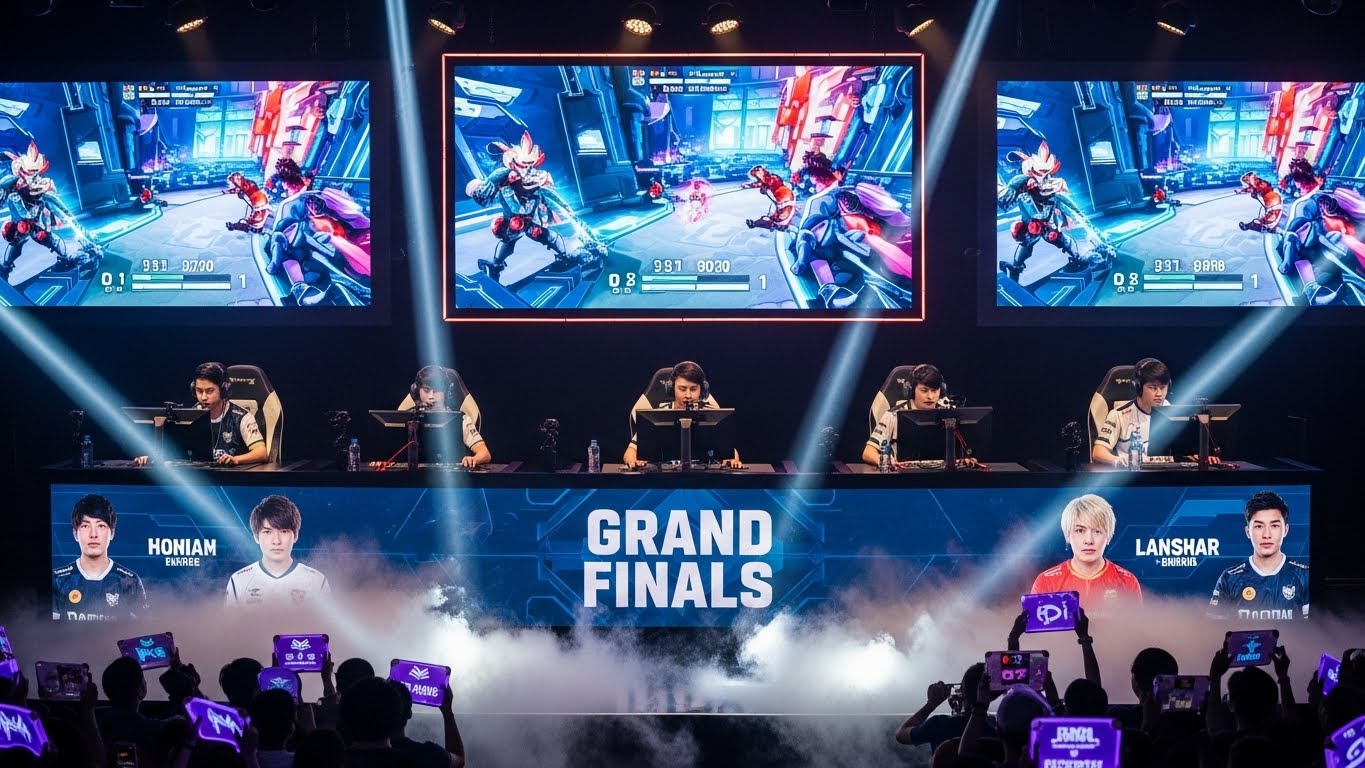
Tournaments like The International for Dota 2 and League of Legends’ annual World Championship have become massive events, with prize pools reaching millions of dollars. For example, The International 2018 had a prize pool of over $25 million, a figure that dwarfs many traditional sports events. This financial growth, coupled with sponsorship deals from major companies like Coca-Cola, Intel, and Mercedes-Benz, solidified esports as a major industry in its own right.
Understanding the Esports Ecosystem
Esports is far more than just a collection of players competing for prize money. It is a multifaceted ecosystem that involves a wide array of roles and professionals working behind the scenes to ensure the industry’s success.
Professional Players
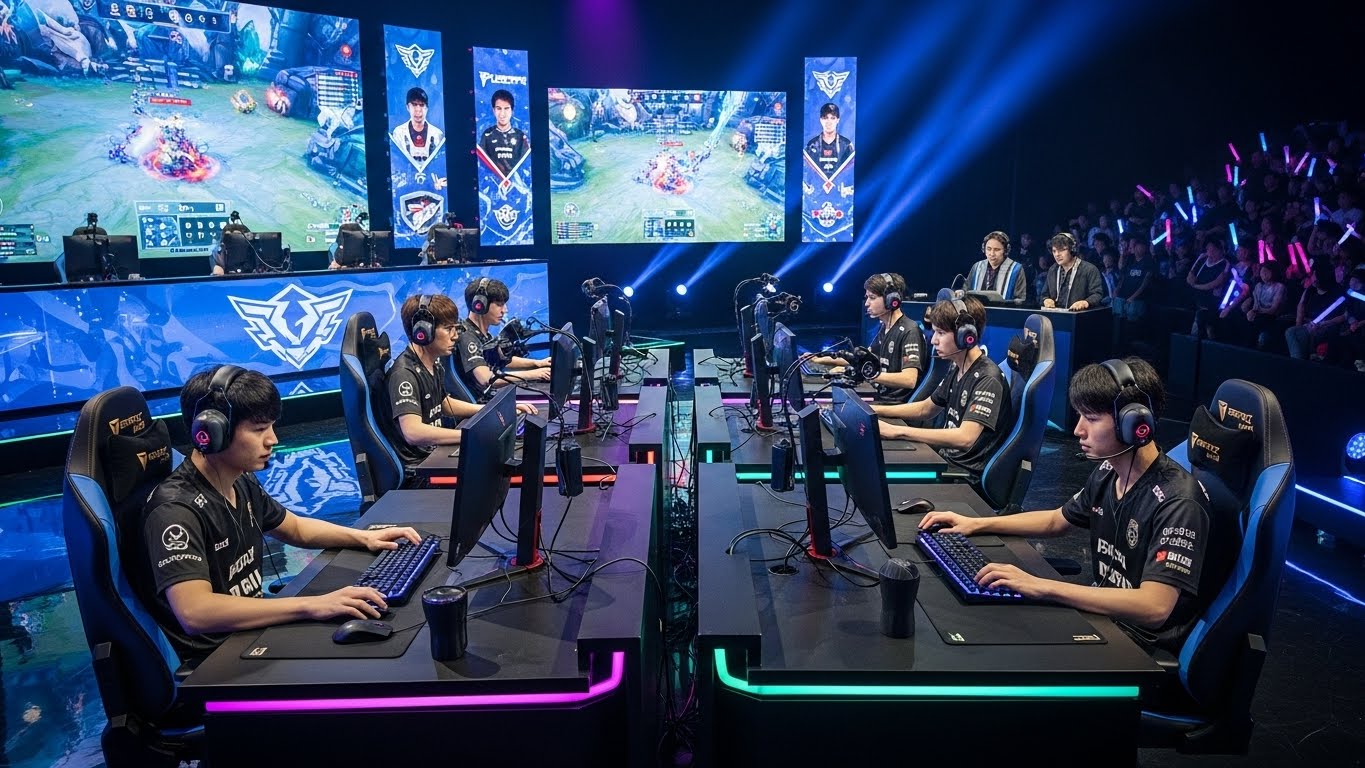
At the heart of esports are the players themselves. Esports athletes spend hours each day honing their skills, perfecting their game mechanics, and collaborating with teammates to develop strategies. Unlike traditional sports, where physical conditioning is paramount, esports athletes focus on mental and cognitive training. Hand-eye coordination, reaction times, and strategic thinking are all crucial to success. Some players even undergo psychological coaching to cope with the pressure of high-stakes tournaments.
Players in popular games can earn salaries from team organizations, sponsorships, and streaming platforms. The top-tier players in games like League of Legends or Fortnite are household names, and their gameplay can draw in millions of viewers.
Coaches and Analysts
Just as in traditional sports, esports teams employ coaches who help players refine their skills and develop strategies. Coaches are often former professional players who understand the intricacies of the game and can offer guidance on everything from team dynamics to mental fortitude. Analysts also play a key role, breaking down gameplay to identify strengths and weaknesses in both their own team and their opponents.
Event Organizers
The success of major esports events is contingent on the work of event organizers. These professionals coordinate tournament schedules, manage logistics, and ensure a smooth experience for both players and fans. Events like The International or the League of Legends World Championship are massive undertakings, often requiring months of planning to pull off successfully. The organizing body must manage everything from broadcasting rights and venue arrangements to merchandise and security.
Broadcast Talent and Commentators
Esports commentators, or casters, bring a level of excitement and energy to the events. They provide live commentary during matches, explaining the action and hyping up moments of intense gameplay. Much like sports announcers, they are an essential part of the viewing experience. Good casters not only understand the game but can also tell a story, turning an ordinary match into an unforgettable spectacle.
The Global Appeal of Esports
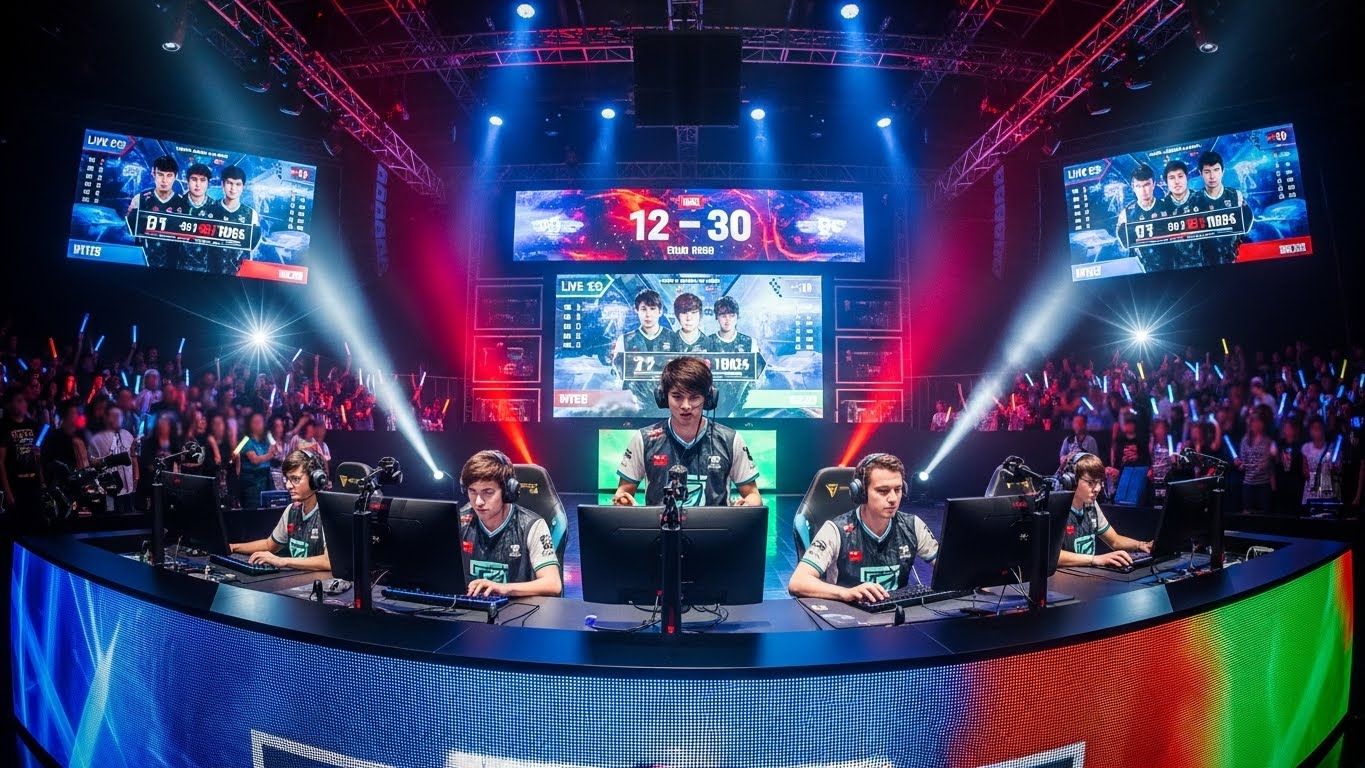
One of the most remarkable aspects of esports is its ability to transcend geographical and cultural boundaries. Whether it’s a League of Legends match in South Korea or a Fortnite tournament in North America, fans from all over the world tune in to watch these competitions. Unlike traditional sports, where language barriers and regional biases often limit viewership, esports has a universal appeal. Online streaming platforms allow fans from different parts of the world to watch the same events, breaking down cultural and linguistic divides.
Esports’ global appeal is also reflected in its diverse fanbase. Fans come from different backgrounds, ages, and walks of life. Whether they are young gamers aspiring to go pro or older enthusiasts who grew up with video games, esports has created a community that anyone can be a part of. Esports also appeals to a digitally native generation, which consumes media and entertainment online, making the accessibility of streaming platforms a perfect match for the needs of modern viewers.
Esports in Education: A New Frontier for Students
Esports’ rise is not limited to entertainment and professional gaming; it has also made its way into the world of education. Many high schools and universities have begun to offer esports programs, clubs, and scholarships to attract students interested in pursuing careers in gaming. These educational initiatives recognize that competitive gaming can teach valuable skills such as teamwork, leadership, communication, and problem-solving.
Some schools even offer full varsity esports teams, allowing students to compete at a high level while earning academic credits. Universities like University of California, Irvine, and Robert Morris University offer esports programs and scholarships, helping students transition from gaming enthusiasts to professionals in the esports industry.
Esports also opens up career opportunities outside of gaming itself. Students with an interest in broadcasting, marketing, event management, or game development can pursue careers in the esports ecosystem, where these roles are in high demand.
The Financial Impact of Esports
Esports is not just an entertainment industry—it’s also a significant economic driver. Sponsorships, merchandise sales, advertising, and media rights deals have made esports a billion-dollar industry. Companies that sponsor teams or tournaments are eager to tap into the massive digital audience that esports attracts, with fans often engaging more directly with brands than those who follow traditional sports.
In addition, esports tourism is on the rise. Cities that host large-scale esports events experience an influx of fans, media, and professionals, all contributing to the local economy. Venues that host events, like the Walmart Arena in the United States or the Olympic Stadium in South Korea, generate revenue not only from ticket sales but also from the accompanying tourism, merchandise, and food sales.
The Future of Esports: What’s Next?
The future of esports seems brighter than ever, with no sign of slowing down. As new technologies such as virtual reality (VR) and augmented reality (AR) evolve, esports may offer even more immersive experiences for players and fans alike. Virtual and mixed-reality tournaments could revolutionize how esports is played, offering new forms of interaction and competition.
Another exciting aspect of esports’ future is the potential for its inclusion in major international sporting events. The International Olympic Committee has even discussed the possibility of including esports as an official event in future Olympic Games. While this is still a point of debate, it shows just how far esports has come in terms of recognition and legitimacy.
Conclusion: Esports as a Cultural Force
Esports has firmly established itself as a dominant force in modern entertainment and competition. From its humble beginnings in small gaming communities to its current status as a global industry, esports has transformed the way people engage with digital entertainment. The industry continues to grow at a rapid pace, with new opportunities for players, fans, and professionals alike.
Whether as a spectator sport, a career path, or a cultural experience, esports represents a new era of competition in the digital age. It is more than just gaming; it’s a movement that brings people together, transcending borders, cultures, and generations. As the industry continues to evolve, one thing is clear: esports is here to stay, and its influence will only grow stronger in the years to come.