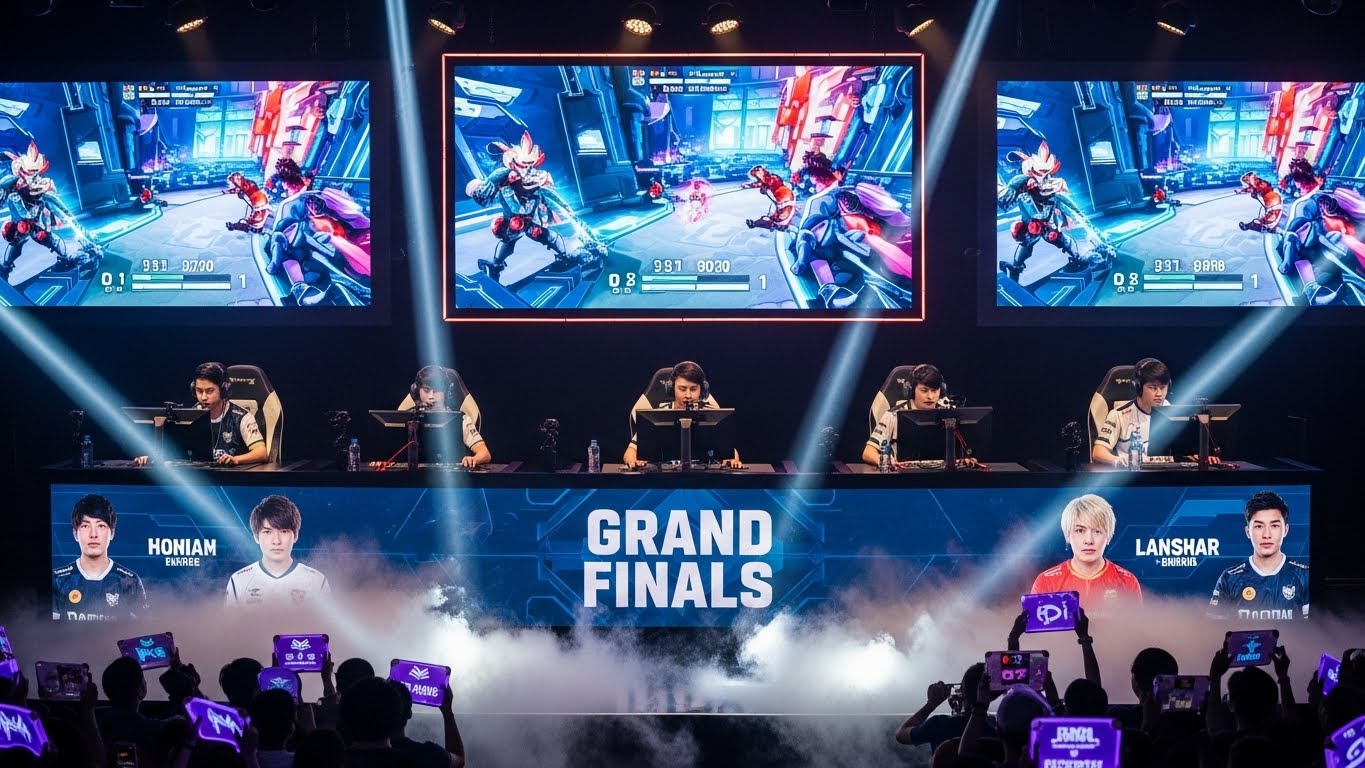
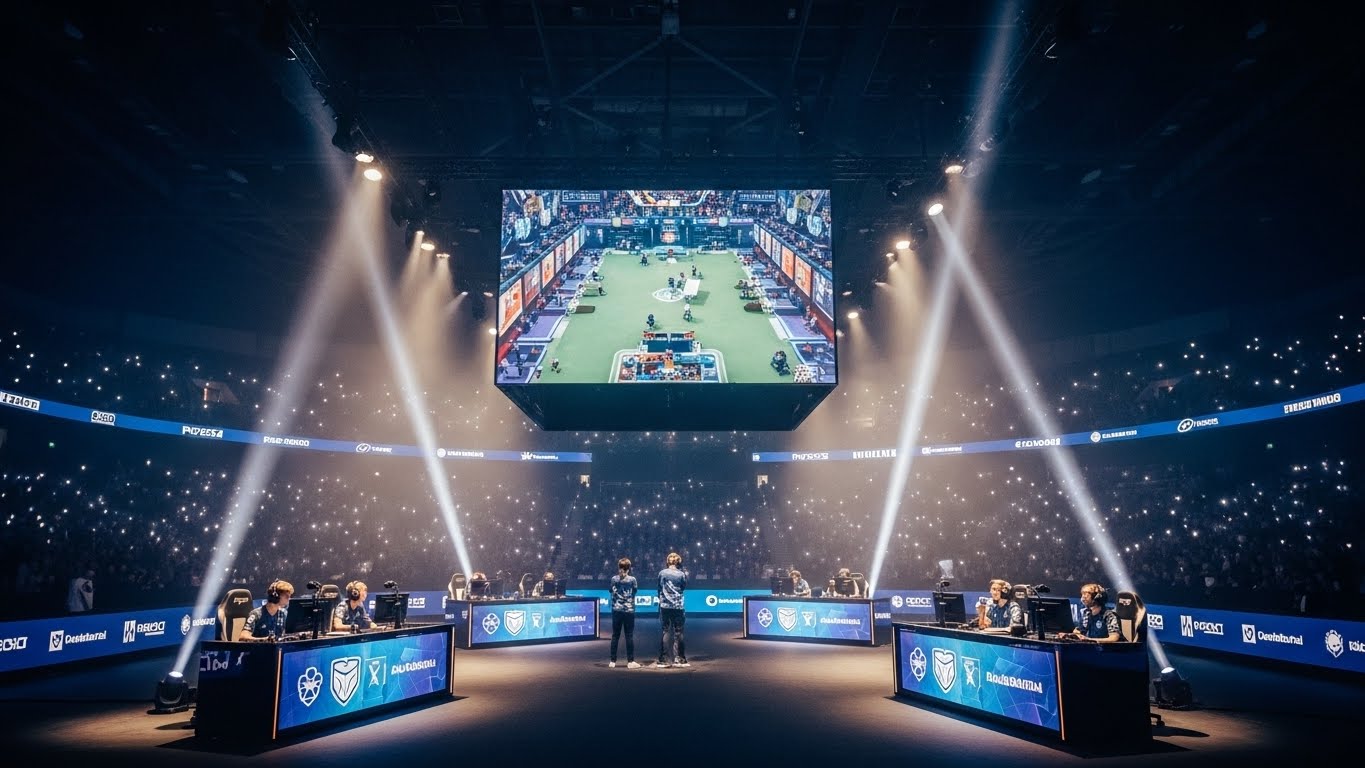
Esports has experienced a meteoric rise in recent years, transforming from a niche hobby to a global phenomenon. What once started as a small community of passionate gamers has now evolved into a multibillion-dollar industry with professional leagues, international tournaments, and a massive, dedicated fanbase. From local LAN events to grand championship stages, esports has captured the imagination of millions worldwide. This blog post delves into the fascinating world of esports, exploring its growth, significance, and its role in shaping the future of both entertainment and competitive sports.
What is Esports?
Esports, short for electronic sports, is a form of organized, multiplayer video game competition, particularly between professional players, individually or as teams. These competitions are typically held in a virtual environment, where participants play video games in a professional setting, often with high stakes and large cash prizes. Esports has grown to encompass a wide range of games, from real-time strategy (RTS) games like Starcraft to first-person shooters (FPS) like Counter-Strike and Call of Duty, and even multiplayer online battle arenas (MOBA) like League of Legends and Dota 2.
What sets esports apart from traditional gaming is its competitive nature and professional infrastructure. Esports athletes undergo rigorous training to perfect their skills and strategies, much like athletes in any other sport. Tournaments and leagues are broadcast globally, attracting millions of viewers, and some events even fill stadiums to capacity, showcasing the scale of the esports phenomenon.
The Early Days: From LAN Parties to Professional Leagues
The origins of esports can be traced back to the late 1990s and early 2000s, when LAN (Local Area Network) parties became popular. Gamers would gather in a single location, connect their computers to a local network, and compete against each other in games like Quake and Starcraft. These informal events were the precursors to today’s massive esports tournaments.
As the internet expanded and online gaming became more accessible, the concept of competitive gaming grew in popularity. Early competitive gaming titles like Warcraft III and Counter-Strike laid the groundwork for larger esports competitions. In the mid-2000s, tournaments like the World Cyber Games (WCG) and Electronic Sports World Cup (ESWC) began attracting global attention, offering a glimpse of the potential that competitive gaming held.
The introduction of streaming platforms like Twitch in 2011 was a game-changer for esports. These platforms allowed players and fans to connect in real time, creating a global audience for esports events. Professional teams, sponsorships, and broadcasting rights began to grow, marking the shift from casual gaming to a serious, well-funded industry.
The Explosion of Esports: A Billion-Dollar Industry
By the mid-2010s, esports had reached a new level of mainstream success. High-profile games like League of Legends, Dota 2, and Overwatch not only attracted millions of players but also garnered attention from major sponsors, media companies, and even traditional sports organizations. The prize pools for major tournaments skyrocketed, with Dota 2‘s International reaching a record-breaking $40 million prize pool in 2018, largely funded by community donations through in-game purchases.
Esports became more than just a pastime for gamers; it became a professional career path. The best players signed contracts with esports organizations, and teams started hiring coaches, analysts, and even psychologists to improve player performance. Training facilities and boot camps became commonplace, mirroring the infrastructure seen in traditional sports.
The massive success of esports leagues like the League of Legends Championship Series (LCS), Overwatch League (OWL), and Call of Duty League demonstrated that esports was now a legitimate competitive field. These leagues operate similarly to traditional sports leagues, with teams playing in regular seasons, followed by playoffs and grand finals. Esports organizations and players began earning sponsorships from major global brands, including Coca-Cola, Intel, and Red Bull, further legitimizing the industry.
The Global Reach of Esports: A Worldwide Phenomenon
One of the defining features of esports is its global appeal. While traditional sports have often been confined by geography, esports transcends borders, with players and fans from all over the world coming together to compete and spectate. The most popular esports titles have players and fans from every continent, with tournaments held in various countries, from South Korea to the United States and Europe to China.
The most prominent esports leagues and events have seen staggering numbers in terms of viewership. The League of Legends World Championship, for instance, has regularly attracted over 100 million viewers, rivalling the viewership of traditional sports events like the Super Bowl. With streaming platforms like Twitch, YouTube, and Facebook Gaming, fans can watch live tournaments and interact with players in real time, contributing to the sense of community that makes esports so unique.
The rise of esports has also contributed to the development of new career paths. Aside from professional players, the industry now supports a wide range of jobs, including content creators, shoutcasters (commentators), analysts, event organizers, marketers, and even team psychologists. Esports has opened up new opportunities for individuals to carve out successful careers in a rapidly growing industry.
Esports in Education and Scholarships
As esports continues to grow, educational institutions are increasingly offering esports programs, scholarships, and even varsity teams. Many universities and colleges in North America, Europe, and Asia have recognized esports as a legitimate extracurricular activity, and some schools have even established esports-specific degrees to train students in areas like event management, game design, and broadcasting.
Esports scholarships are becoming more common, with students now able to earn funding for their education based on their gaming prowess. Some universities even have full-fledged esports arenas where student-athletes can train and compete. This integration of esports into higher education is helping to legitimize competitive gaming as a serious pursuit and opens up opportunities for younger players to transition into the professional gaming world.
The Future of Esports: Growth, Technology, and Mainstream Acceptance
The future of esports looks incredibly promising, with continued growth expected across multiple fronts. As technology continues to evolve, so too will the esports experience. Virtual reality (VR) and augmented reality (AR) are poised to revolutionize competitive gaming by offering immersive experiences that blur the line between the digital and physical worlds. We may soon see esports events held in fully immersive VR arenas, where players compete in a 360-degree digital environment.
The increasing mainstream acceptance of esports is also a significant factor in its future growth. While esports was once seen as a niche interest, it has now gained widespread recognition, with major media outlets covering events and corporations investing in the industry. In some regions, esports is even considered a potential Olympic sport, with discussions around including it in future Games.
As the esports industry continues to expand, there is also growing interest from traditional sports franchises and celebrities. The crossover between esports and traditional sports is becoming more common, with sports teams like the Dallas Cowboys and Manchester City investing in esports teams, and athletes like Shaquille O’Neal and Michael Jordan backing esports ventures. This integration is helping to bridge the gap between the two worlds, further solidifying esports as a mainstream entertainment option.
Conclusion
Esports has come a long way from its humble beginnings, evolving into a global industry that is shaping the future of competitive gaming, entertainment, and even education. Its rapid growth, combined with advances in technology and increasing mainstream acceptance, makes it clear that esports is not just a passing trend but a long-term phenomenon.
For players, fans, and investors alike, the esports world offers exciting opportunities. As the industry continues to mature and expand, the boundaries between traditional sports and digital competitions will continue to blur, creating a new era of entertainment where esports holds a prominent place in the global spotlight.
Esports has proven that video games are no longer just a hobby but a serious, professional pursuit. Whether you’re an aspiring pro player, an avid fan, or simply someone fascinated by the way this industry has evolved, one thing is certain—esports is here to stay.