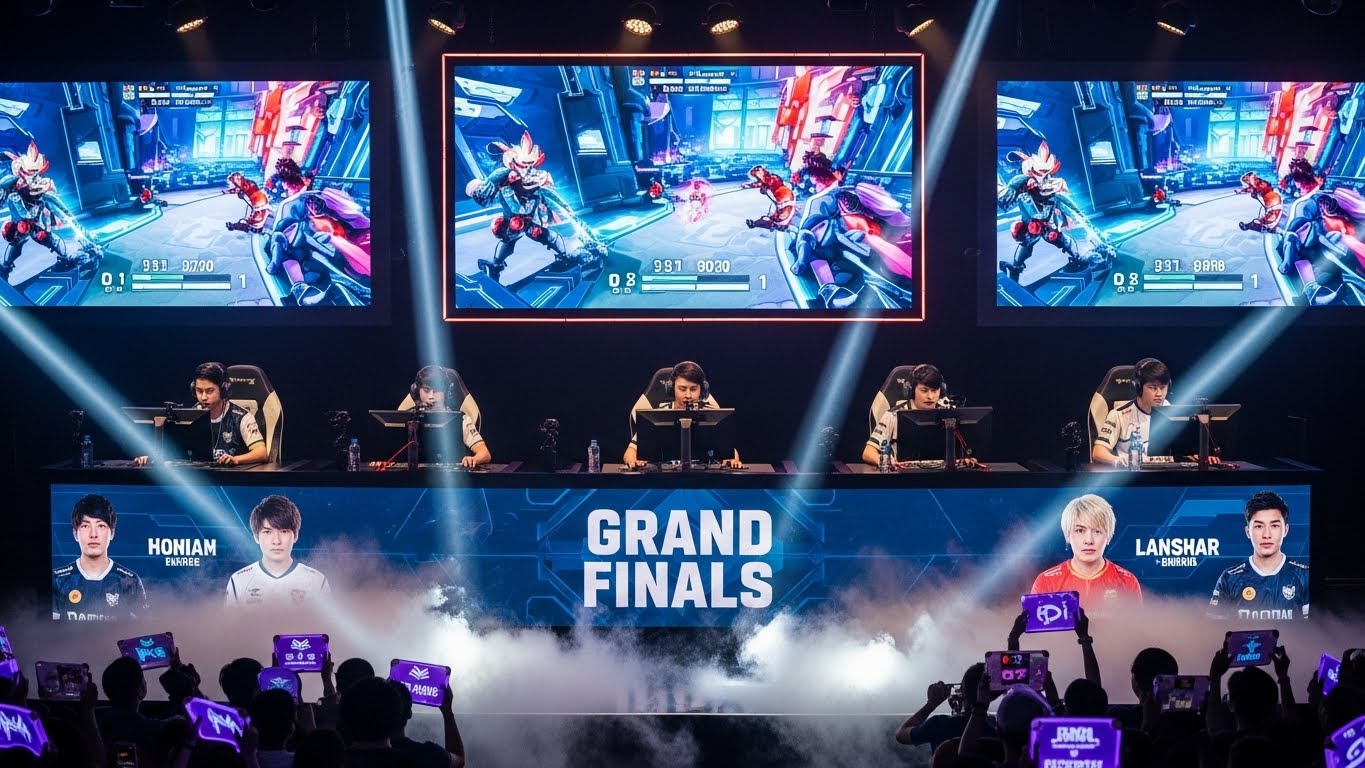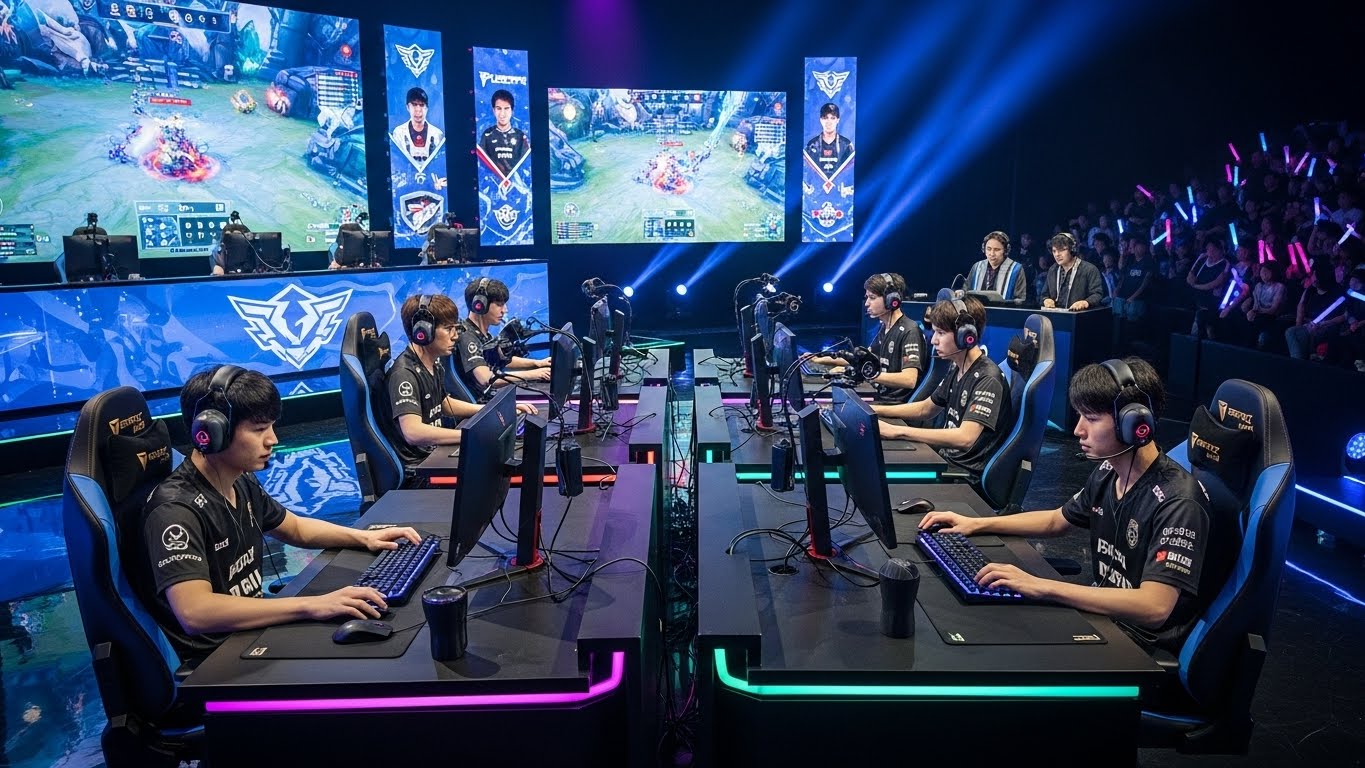
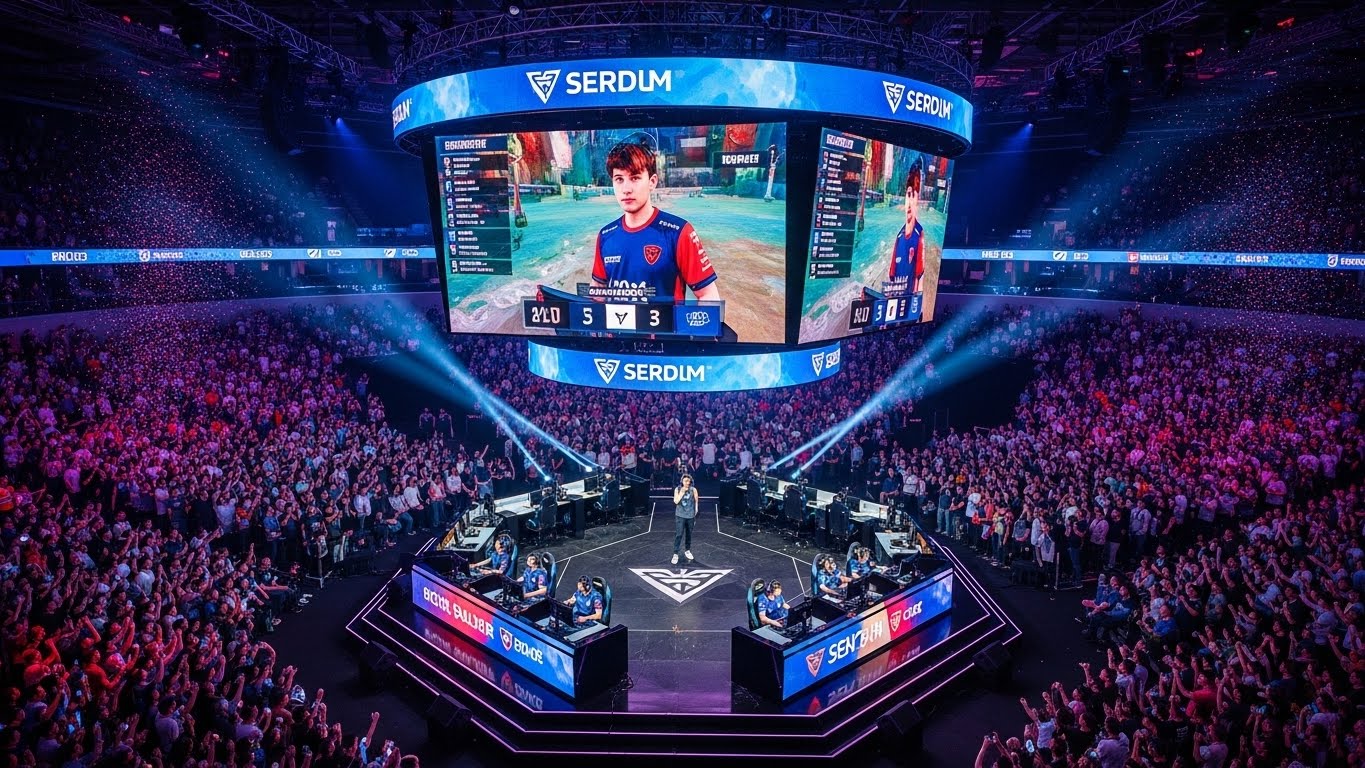
Sports have been an integral part of human society for centuries. They are far more than physical activity; they are a reflection of culture, a catalyst for personal growth, and a powerful tool for building communities. From informal backyard games to global sporting events, sports influence our physical, mental, and social well-being. They teach discipline, teamwork, resilience, and the importance of fair play. This blog explores the world of sports, its evolution, its role in society, and the benefits it brings to individuals and communities alike.
The Historical Roots of Sports
Sports have a long and fascinating history. Ancient civilizations used physical contests to prepare warriors, celebrate religious events, and entertain communities. The Olympic Games in ancient Greece, which began in 776 BCE, were not just athletic competitions—they were cultural events that honored the gods and showcased human excellence.
In the Middle Ages, sports such as jousting, archery, and wrestling were common forms of entertainment and training for soldiers. Over time, sports evolved into organized competitions with standardized rules, enabling fair play and creating a sense of camaraderie among participants. The development of clubs, leagues, and international competitions further solidified the place of sports in human culture.
Physical and Mental Benefits of Sports
Engaging in sports offers significant physical benefits. Regular participation strengthens muscles, improves cardiovascular health, increases flexibility, and enhances coordination. Sports also help maintain a healthy body weight and reduce the risk of chronic diseases such as diabetes and heart disease.
Mental health benefits are equally compelling. Sports relieve stress, reduce anxiety, and improve mood through the release of endorphins. Athletes develop concentration, problem-solving skills, and mental resilience. Participation in sports fosters self-confidence and discipline, teaching individuals to set goals, work towards them, and handle setbacks gracefully.
The Role of Sports in Character Building
Sports are an excellent teacher of life lessons. They instill values such as discipline, perseverance, integrity, and teamwork. Team sports teach players to cooperate, communicate effectively, and support each other, while individual sports emphasize personal responsibility, focus, and determination.
Athletes learn to respect rules, honor opponents, and handle both victories and defeats with humility. These lessons extend beyond the field or court, shaping character and preparing individuals to navigate challenges in personal and professional life.
Popular Sports Around the World
Sports take countless forms, appealing to a diverse range of interests and cultures. Football is one of the most popular sports worldwide, celebrated for its excitement, strategy, and ability to unite communities. Basketball offers fast-paced action and emphasizes agility, coordination, and teamwork.
Cricket has a passionate following in many countries, blending skill, patience, and strategy. Tennis, athletics, swimming, gymnastics, and rugby each bring unique challenges and showcase different aspects of human physical capability. Extreme sports, such as rock climbing and snowboarding, test courage, skill, and endurance, while providing adrenaline-fueled excitement.
Sports and Community Building
Sports play a vital role in fostering social connections. Local clubs, leagues, and recreational programs provide opportunities for people to come together, interact, and form lasting friendships. Sporting events, whether at the local or national level, create shared experiences that strengthen community bonds.
Sports also promote inclusivity and accessibility. Community programs encourage participation regardless of age, gender, or background. They provide safe spaces for youth to develop skills, stay active, and build confidence. The communal aspect of sports contributes to social cohesion and collective pride.
Sports in Education
Educational institutions recognize the value of sports in promoting holistic development. Schools and universities integrate athletics into their curriculum to encourage physical activity, teamwork, and leadership. Student-athletes learn time management, balancing training schedules with academic responsibilities.
Sports programs also offer opportunities for scholarships, professional development, and career paths in coaching, sports management, and athletic training. By integrating sports into education, institutions nurture well-rounded individuals capable of excelling in multiple areas of life.
Professional Sports and Economic Impact
Professional sports have evolved into a multi-billion-dollar industry. Athletes achieve fame and success, inspiring millions while generating significant economic activity. Sports leagues, clubs, and tournaments create jobs, stimulate tourism, and attract sponsorships and advertising revenue.
Broadcasting rights, merchandise sales, and ticket revenues contribute to a robust sports economy. Major sporting events, such as the Olympic Games, FIFA World Cup, and Wimbledon, showcase global talent while driving substantial economic growth for host cities. The professionalization of sports demonstrates their cultural, social, and financial importance.
Diversity and Inclusion in Sports
Sports are increasingly promoting diversity and inclusivity. Women’s sports continue to gain recognition and popularity, empowering female athletes and inspiring younger generations. Adaptive sports provide opportunities for athletes with disabilities to compete, highlighting resilience, skill, and determination.
Inclusivity extends beyond physical abilities to encompass cultural, racial, and socioeconomic diversity. Sports provide a platform for equal opportunity, allowing talent, dedication, and passion to define success rather than background or circumstance.
Technology and Innovation in Sports
Advances in technology have transformed both the practice and consumption of sports. High-tech equipment enhances safety and performance, while wearable devices track fitness, health, and statistics. Video analysis allows athletes to improve techniques and strategies, and virtual reality simulations provide innovative training methods.
Broadcasting innovations, live streaming, and instant replay technology have elevated fan experiences. Fans can access live events from anywhere in the world, interact with content, and follow their favorite athletes more closely than ever before. Technology has enhanced accessibility, fairness, and engagement in sports.
The Emotional Impact of Sports
Sports evoke powerful emotions for both players and spectators. The thrill of competition, the joy of victory, and the disappointment of defeat create unforgettable experiences. Fans invest emotionally in their favorite teams and athletes, forming deep connections that transcend the game itself.
For athletes, sports provide a sense of purpose and achievement. They teach resilience, the importance of preparation, and the value of teamwork. Participation in sports can inspire lifelong passions and motivate individuals to pursue excellence in all areas of life.
Challenges Facing the Sports World
Despite its many benefits, sports face challenges. Doping, corruption, unethical behavior, and excessive commercialization can undermine the spirit of fair competition. Pressure to perform, intense training schedules, and public scrutiny may lead to mental and physical strain for athletes.
Ensuring safety, fair play, and athlete well-being remains a priority for organizations worldwide. Addressing these challenges is crucial to preserving the integrity and long-term sustainability of sports as a positive cultural force.
The Future of Sports
The future of sports is dynamic and full of potential. Emerging sports, innovative formats, and digital platforms are expanding opportunities for participation and viewership. Virtual reality, augmented reality, and advanced analytics will transform training, competition, and fan engagement.
Increased focus on inclusivity, mental health, and sustainable practices will shape the next generation of athletes and sporting events. Sports will continue to inspire, challenge, and unite people across the globe, maintaining their central role in culture and society.
Conclusion: The Enduring Power of Sports
Sports are more than games; they are a reflection of human potential, culture, and community. They foster physical fitness, mental resilience, teamwork, and ethical values. They unite communities, celebrate diversity, and create shared experiences that leave lasting memories.
From local playgrounds to international arenas, sports inspire passion, drive, and excellence. They teach life lessons, provide opportunities, and promote holistic growth for individuals and society alike. In a rapidly changing world, sports remain a timeless force, proving that the power of play is essential for human development, connection, and joy.