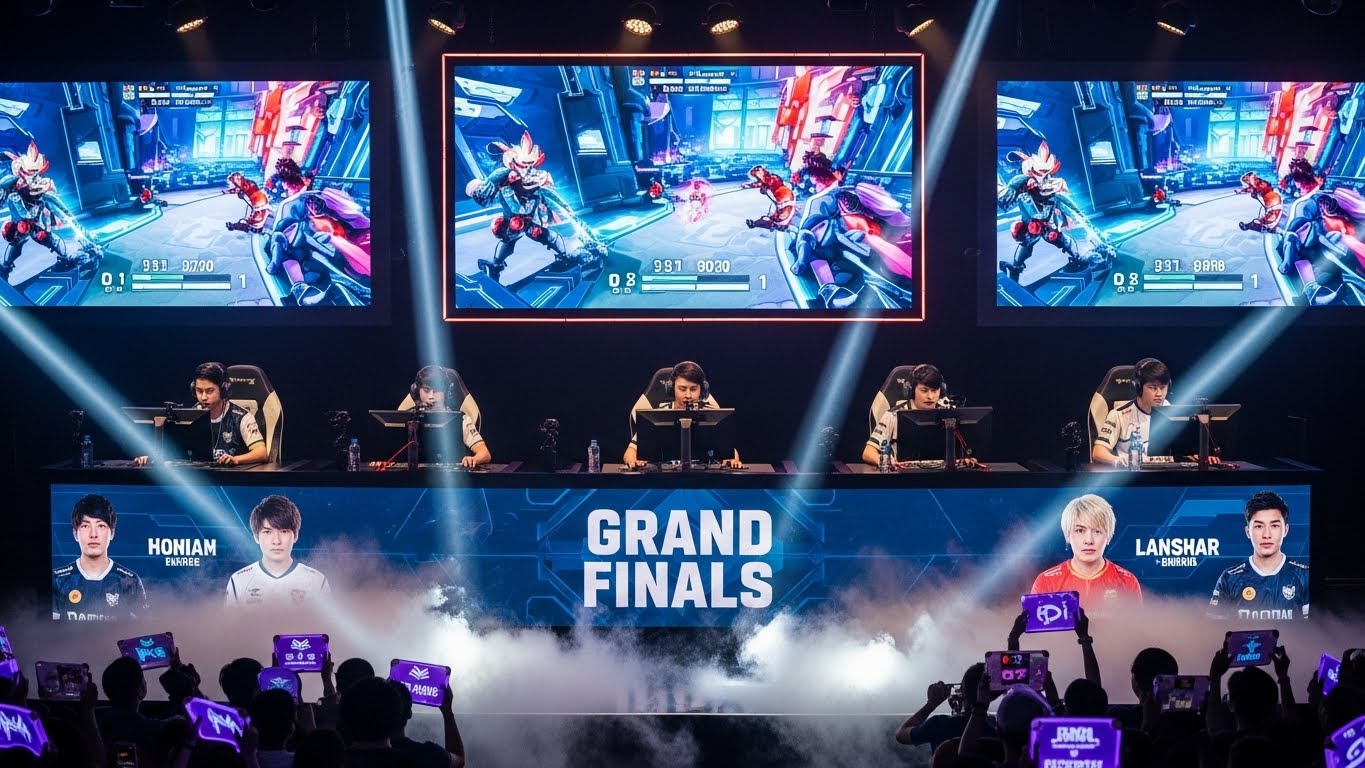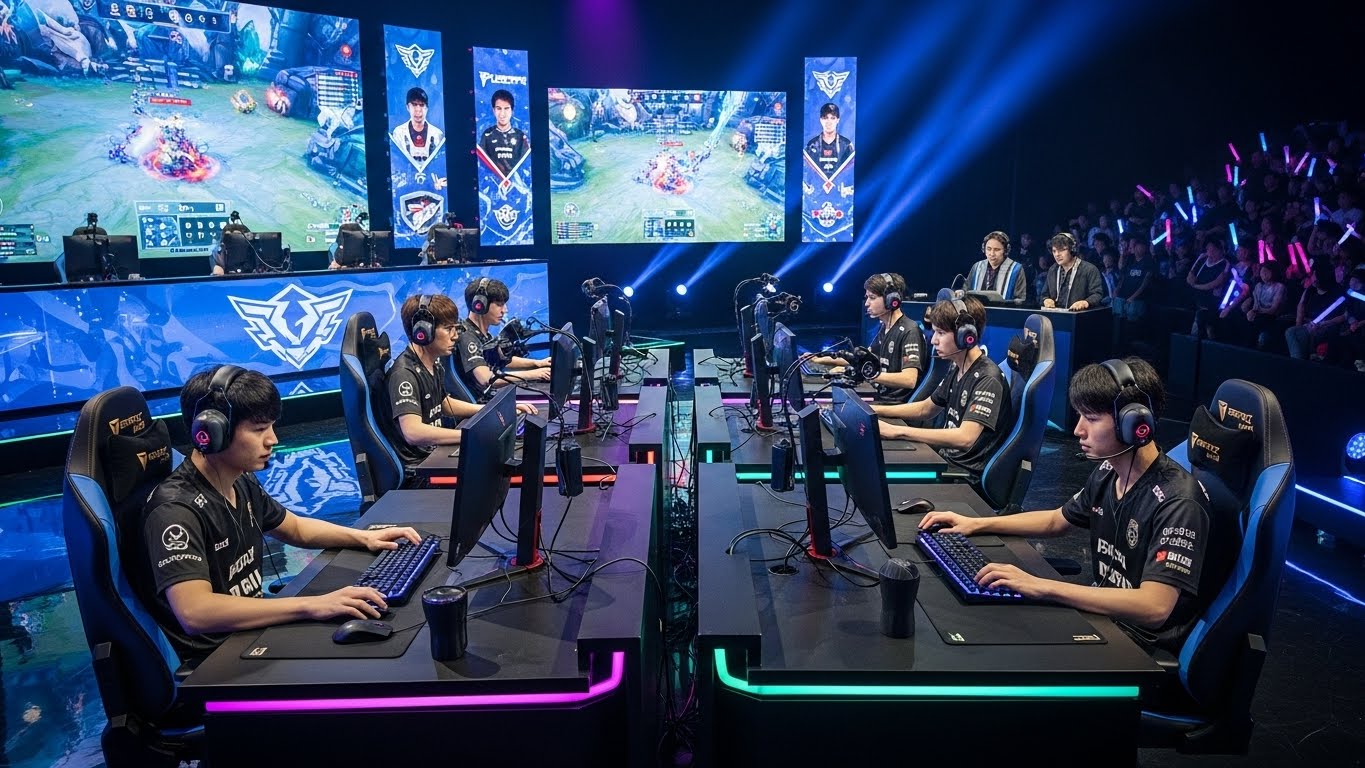
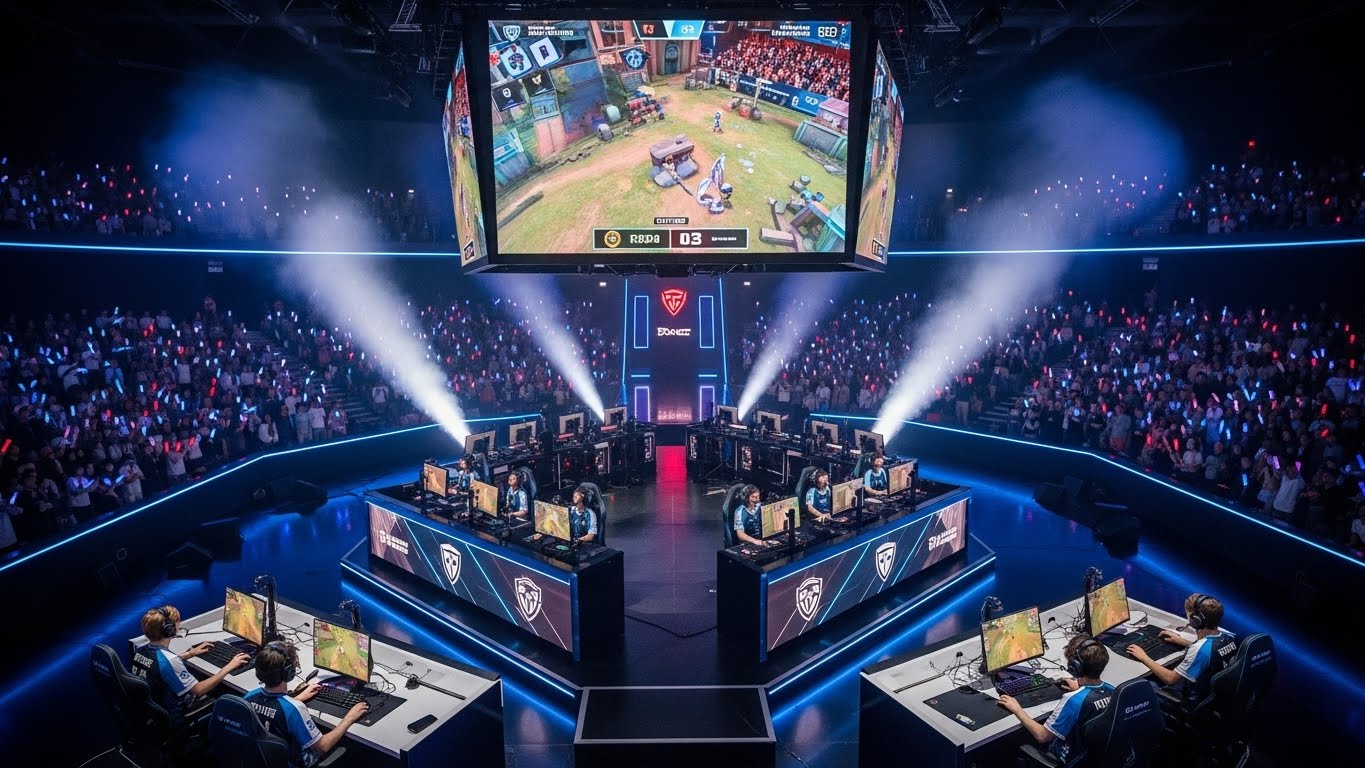
Esports has emerged as one of the most powerful forces in modern entertainment, reshaping how competition, skill, and sportsmanship are defined in the digital age. What once began as casual gaming among friends has evolved into a global industry featuring professional teams, international tournaments, and millions of dedicated fans. Esports is no longer a niche interest; it is a cultural movement that blends technology, creativity, and human performance into a new form of sport.
Understanding What Esports Truly Is
Esports, short for electronic sports, refers to organized competitive video gaming where players or teams compete under structured rules and formats. Unlike casual gaming, esports demands consistency, training, and strategic depth. Players compete in ranked leagues, seasonal tournaments, and world championships that require dedication comparable to traditional athletic sports.
What makes esports unique is that competition occurs in digital environments rather than physical arenas, yet the intensity, pressure, and emotional stakes remain just as real. Victory depends on skill, teamwork, preparation, and mental strength, not luck or chance.
The Early Beginnings of Competitive Gaming
The roots of esports can be traced back to early video game competitions in the late twentieth century. In the early days, players gathered in arcades or local events to compete for high scores and recognition. These competitions were small but passionate, laying the groundwork for future growth.
With the rise of home consoles and personal computers, competitive gaming expanded rapidly. Multiplayer games allowed players to compete against others beyond their immediate surroundings. The introduction of internet connectivity transformed gaming into a global experience, enabling players from different countries to face each other in real time. This moment marked the true birth of modern esports.
Growth Into a Global Industry
As technology advanced, esports evolved into a structured industry. Professional teams were formed, leagues were established, and tournaments began offering significant prize money. What was once informal competition became professional sport, complete with contracts, coaching staff, and dedicated training schedules.
Today, esports events fill large venues and attract millions of online viewers. Players become celebrities, teams build loyal fan bases, and competitions generate excitement comparable to traditional sports championships. This growth reflects not only technological advancement but also changing cultural attitudes toward gaming.
Popular Esports Game Categories
Esports is not limited to a single type of game. It includes a wide variety of genres, each requiring different skills and strategies. Team-based strategy games focus on coordination, communication, and long-term planning. Shooter games emphasize precision, reflexes, and quick decision-making. Fighting games test individual skill, timing, and psychological awareness.
There are also sports simulation games that recreate real-world athletic competitions in digital form. Each category attracts unique audiences while contributing to the diversity and richness of the esports ecosystem. This variety allows esports to appeal to players and fans with different interests and strengths.
Skill, Training, and Discipline in Esports
Professional esports players are highly trained competitors. Success requires hours of daily practice, analysis, and improvement. Players work on mechanics such as reaction time, accuracy, and movement while also studying game strategies and opponent behavior.
Mental discipline is just as important as technical skill. Players must stay focused during long matches, adapt quickly to unexpected situations, and perform under immense pressure. Emotional control, confidence, and resilience often determine success at the highest level of competition.
The Importance of Teams and Coaching
Many esports games are team-based, making communication and cooperation essential. Professional teams function like traditional sports organizations, complete with coaches, analysts, and support staff. Coaches develop strategies, improve teamwork, and help players manage stress and performance.
Team chemistry plays a critical role in esports success. Even highly skilled players can struggle without trust and coordination. Strong leadership, clear communication, and shared goals often separate championship teams from average competitors.
Esports as a Spectator Experience
One of the reasons esports has grown so rapidly is its appeal to spectators. Fans enjoy watching high-level gameplay, dramatic moments, and intense rivalries. Live broadcasts feature commentary, analysis, and storytelling that enhance the viewing experience.
Esports fans are highly engaged. They follow teams closely, discuss strategies, and celebrate victories together. This sense of community creates emotional investment and loyalty, making esports more than just entertainment. It becomes a shared cultural experience.
Economic Impact of Esports
Esports has become a major economic force. Revenue comes from sponsorships, advertising, merchandise, event ticket sales, and media production. Professional players earn income through salaries, tournament winnings, and personal branding.
Beyond players and teams, esports supports a wide range of careers. Event organizers, commentators, graphic designers, marketers, and technical specialists all contribute to the industry. The rapid growth of esports has created opportunities across technology, media, and business sectors.
Career Opportunities Beyond Playing
While professional players receive much attention, esports offers many career paths beyond competition. Coaching, analysis, broadcasting, content creation, and event management are all essential roles within the industry.
Many players transition into these roles after retiring from competition. Their experience provides valuable insight into gameplay, strategy, and community engagement. This flexibility helps make esports careers more sustainable and diverse.
Education and Skill Development Through Esports
Educational institutions are beginning to recognize the value of esports. Competitive gaming develops skills such as teamwork, communication, problem-solving, and strategic thinking. These abilities are transferable to many professional fields.
Structured esports programs help students balance competition with education. They promote discipline, time management, and leadership while providing pathways into technology, media, and business careers. Esports is increasingly seen as both a competitive activity and a learning tool.
Inclusivity and Accessibility in Esports
Esports has the potential to be one of the most inclusive competitive spaces. Physical strength, size, and age are less limiting factors than in traditional sports. Anyone with access to technology and dedication can compete.
Efforts to improve diversity and inclusion are ongoing. Communities are working to create welcoming environments for players of different backgrounds and identities. As esports continues to grow, inclusivity will play a vital role in shaping its future.
Challenges Facing the Esports Industry
Despite its success, esports faces challenges. Player burnout, inconsistent regulations, and long-term career stability remain concerns. The fast-paced nature of competition can place heavy physical and mental demands on players.
There are also challenges related to fair play, online behavior, and maintaining healthy gaming habits. Addressing these issues responsibly will be crucial for the sustainable growth of the industry.
The Future of Esports
The future of esports is filled with opportunity. Advances in technology will continue to enhance gameplay, training, and viewing experiences. New competitive formats and emerging games will attract broader audiences.
Esports is likely to integrate further with mainstream culture, education, and traditional sports industries. As digital competition becomes more accepted, esports will continue shaping how society views skill, entertainment, and competition.
Conclusion: A New Era of Competition
Esports represents a powerful evolution in how humans compete and connect. It combines technology, strategy, and passion into a modern form of sport that resonates with a digital generation. From humble beginnings to global recognition, esports has proven that competition does not need physical boundaries to be meaningful.
As the industry continues to grow, esports will inspire new players, create new careers, and unite communities worldwide. It is not just the future of gaming but a defining force in modern entertainment and competitive culture.