Introduction
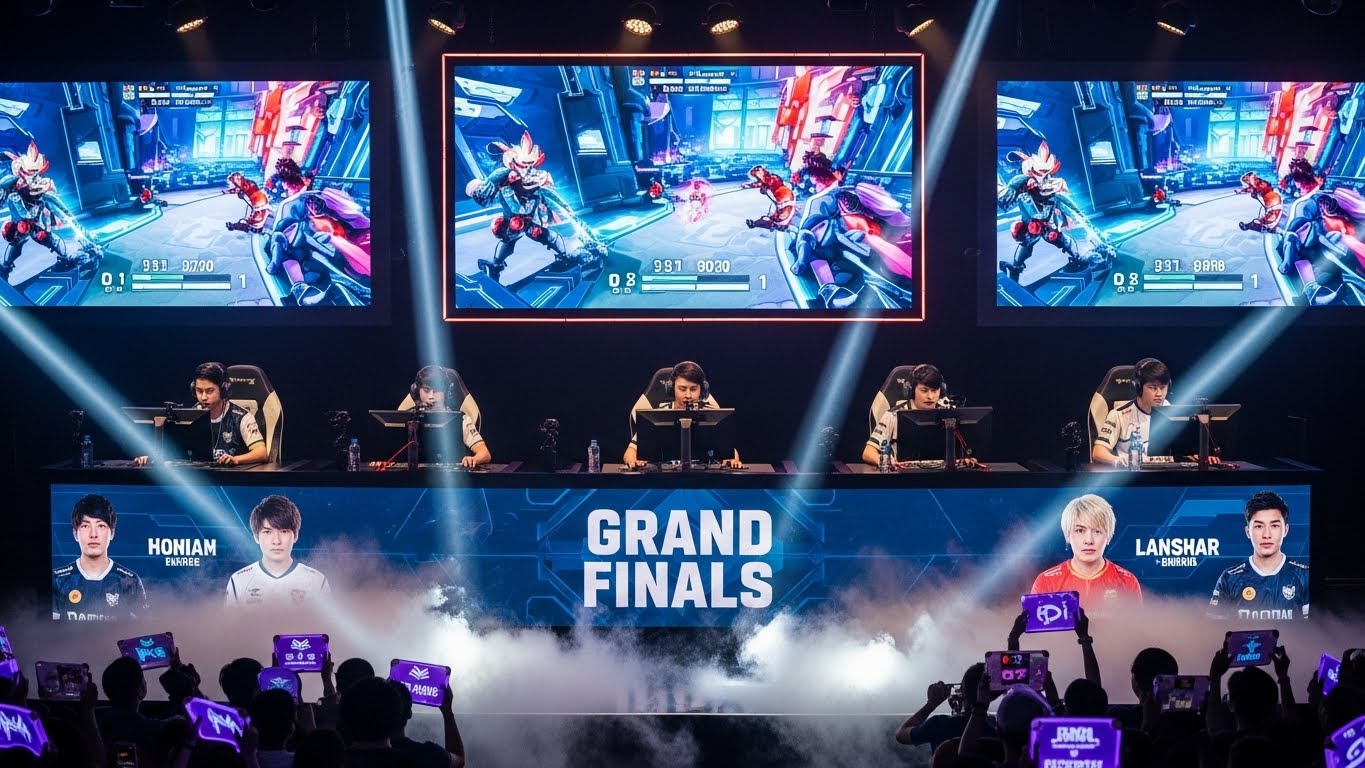
Esports has transformed from a niche pastime enjoyed by small gaming communities into a global cultural phenomenon that rivals traditional sports in scale, influence, and economic impact. What once took place in bedrooms and internet cafés is now hosted in packed arenas, broadcast to millions of viewers, and supported by multinational sponsors. Esports is no longer just about playing video games competitively; it represents a new form of entertainment, a career path for young talent, and a powerful social movement shaped by technology, creativity, and community.
This blog explores the evolution of esports, its ecosystem, its cultural relevance, and the challenges and opportunities that lie ahead. By understanding how esports reached its current position, we can better appreciate why it continues to captivate audiences across generations and borders.
The Origins of Competitive Gaming
Competitive gaming did not emerge overnight. Its roots can be traced back to the early days of video games, when players gathered to compete for high scores in arcades. Simple competitions around games created a sense of rivalry and community, laying the foundation for what would later become organized esports.
As home consoles and personal computers became more accessible, competitive play expanded. Local tournaments, online matchmaking, and early multiplayer games allowed players to test their skills beyond physical locations. These early stages were driven primarily by passion rather than profit, with players competing for recognition and personal satisfaction.
The rise of the internet played a critical role in shaping esports. Online connectivity allowed players from different regions to compete, share strategies, and build communities. This digital infrastructure transformed gaming into a spectator-friendly activity and set the stage for professional competition.
The Rise of Professional Esports
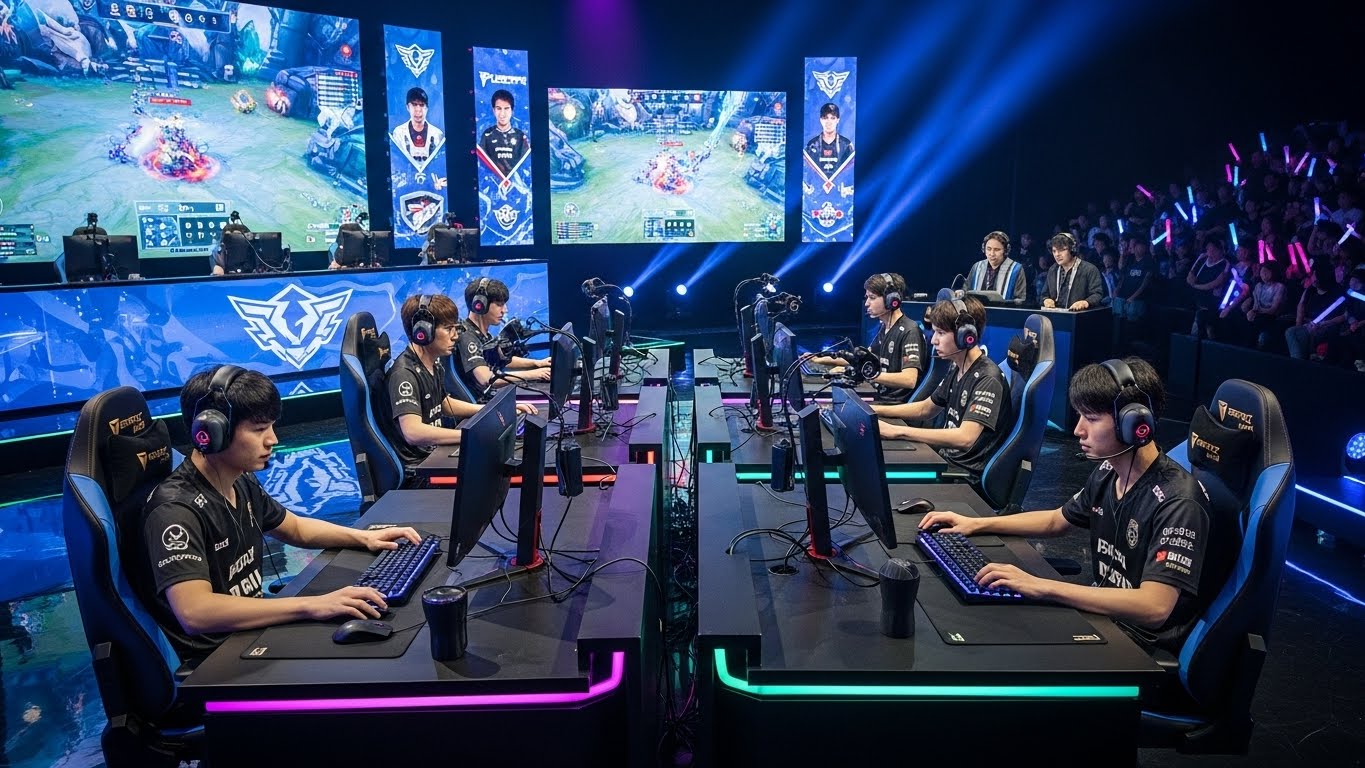
The transition from casual competition to professional esports marked a turning point in the industry. Organized leagues, standardized rules, and structured tournaments brought legitimacy to competitive gaming. Players began forming teams, practicing regularly, and adopting professional training routines similar to traditional athletes.
Professional esports introduced contracts, salaries, and prize pools that made gaming a viable career. Tournament organizers invested in production quality, commentary, and event management, enhancing the viewing experience. As a result, esports became more accessible and appealing to a wider audience.
Streaming platforms further accelerated this growth by allowing fans to watch matches live and interact with players in real time. This direct connection between players and audiences created a sense of intimacy and loyalty rarely seen in traditional sports, strengthening the bond within the esports community.
The Esports Ecosystem
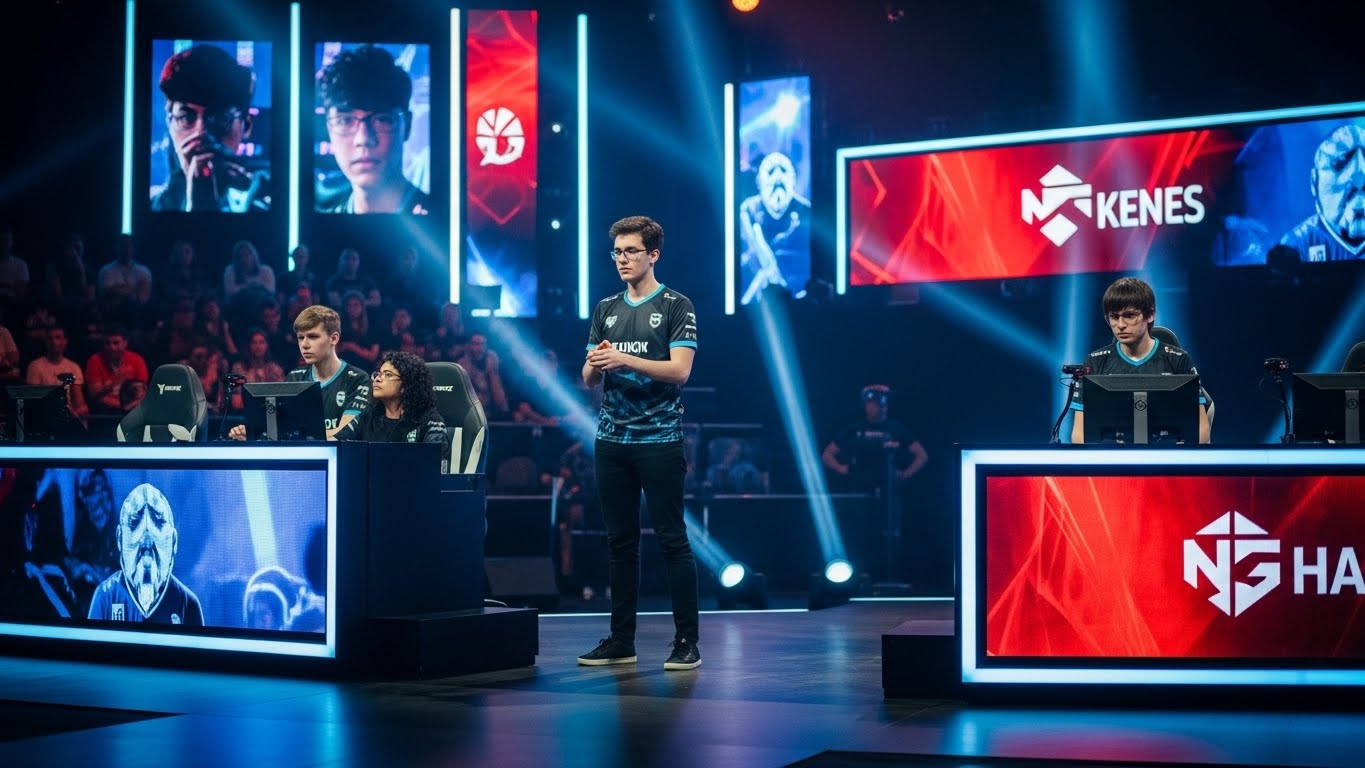
Esports thrives within a complex ecosystem that includes players, teams, coaches, analysts, event organizers, broadcasters, sponsors, and fans. Each component plays a vital role in sustaining the industry and driving its continued expansion.
Players are at the center of this ecosystem. They dedicate countless hours to mastering their games, refining strategies, and maintaining peak performance. Behind them are coaches and analysts who study gameplay, develop tactics, and support mental and physical well-being.
Teams function as professional organizations, managing branding, marketing, and operations. Sponsors and advertisers provide financial support, recognizing esports as a valuable platform for reaching engaged and tech-savvy audiences. Fans, in turn, fuel the entire system through viewership, merchandise purchases, and community participation.
Cultural Impact and Global Reach
Esports has become a powerful cultural force that transcends geographic and cultural boundaries. Players and fans from different countries connect through shared interests, creating a global network united by competition and passion. International tournaments showcase this diversity, bringing together teams from across the world.
The influence of esports extends beyond gaming. It shapes fashion, music, language, and online trends. Esports personalities often become cultural icons, inspiring fans and influencing digital culture. For many young people, esports represents identity, aspiration, and belonging.
Unlike traditional sports, esports is deeply rooted in digital culture, making it especially relevant to younger generations. Its accessibility and inclusivity allow individuals from diverse backgrounds to participate, either as players or spectators, contributing to its widespread appeal.
Technology as the Driving Force
Technology is the backbone of esports, enabling everything from gameplay to broadcasting. Advances in hardware, software, and internet infrastructure have made high-level competition possible on a global scale. Improved graphics, faster connections, and sophisticated game design continue to elevate the esports experience.
Broadcasting technology has transformed how esports is consumed. High-quality production, real-time statistics, and interactive features enhance engagement and immersion. Fans can analyze matches in detail, learn strategies, and feel closer to the action than ever before.
Emerging technologies such as virtual reality, augmented reality, and artificial intelligence hold the potential to further redefine esports. These innovations may introduce new ways to play, watch, and interact with competitive gaming, pushing the boundaries of what esports can be.
Economic Growth and Career Opportunities
The economic impact of esports is significant and continues to grow. Revenue streams include sponsorships, advertising, media rights, merchandise, and ticket sales. This financial growth has attracted investment from major corporations and investors, further legitimizing the industry.
Esports also creates diverse career opportunities beyond professional play. Roles in event management, broadcasting, marketing, game development, and content creation are increasingly in demand. Educational institutions have begun offering programs focused on esports management and production, recognizing its potential as a long-term industry.
For aspiring professionals, esports offers an alternative career path that aligns with digital skills and creativity. While competition is intense, the industry rewards innovation, dedication, and adaptability.
Challenges Facing the Esports Industry
Despite its success, esports faces several challenges that must be addressed to ensure sustainable growth. Player burnout is a major concern, as intense training schedules and high-pressure environments can take a toll on mental and physical health. Organizations are beginning to prioritize wellness, but more work remains to be done.
Regulation and governance also present challenges. The lack of standardized rules across games and regions can lead to inconsistencies and disputes. Establishing clear frameworks for contracts, player rights, and competitive integrity is essential for long-term stability.
Additionally, maintaining inclusivity and combating toxic behavior within communities are ongoing issues. Creating safe and welcoming environments is crucial for attracting new fans and participants.
The Future of Esports
The future of esports is filled with potential. As technology continues to evolve, so will the ways in which esports is played and experienced. Increased mainstream recognition may lead to greater collaboration with traditional sports, entertainment, and education sectors.
Youth engagement and grassroots development will play a key role in shaping the next generation of esports talent. Investment in local tournaments, training programs, and community initiatives can help sustain growth and diversity.
Ultimately, esports is more than a trend. It represents a shift in how competition, entertainment, and community are defined in the digital age. Its ability to adapt and innovate suggests that it will remain a significant cultural force for years to come.
Conclusion
Esports has journeyed far from its humble beginnings to become a global powerhouse that influences culture, technology, and economics. Its success is rooted in passion, innovation, and the power of digital connection. By understanding its history, ecosystem, and challenges, we gain insight into why esports resonates so deeply with millions around the world.
As esports continues to evolve, it will redefine what it means to compete, to watch, and to belong. Beyond the arena, esports stands as a symbol of a connected world where skill, creativity, and community converge.