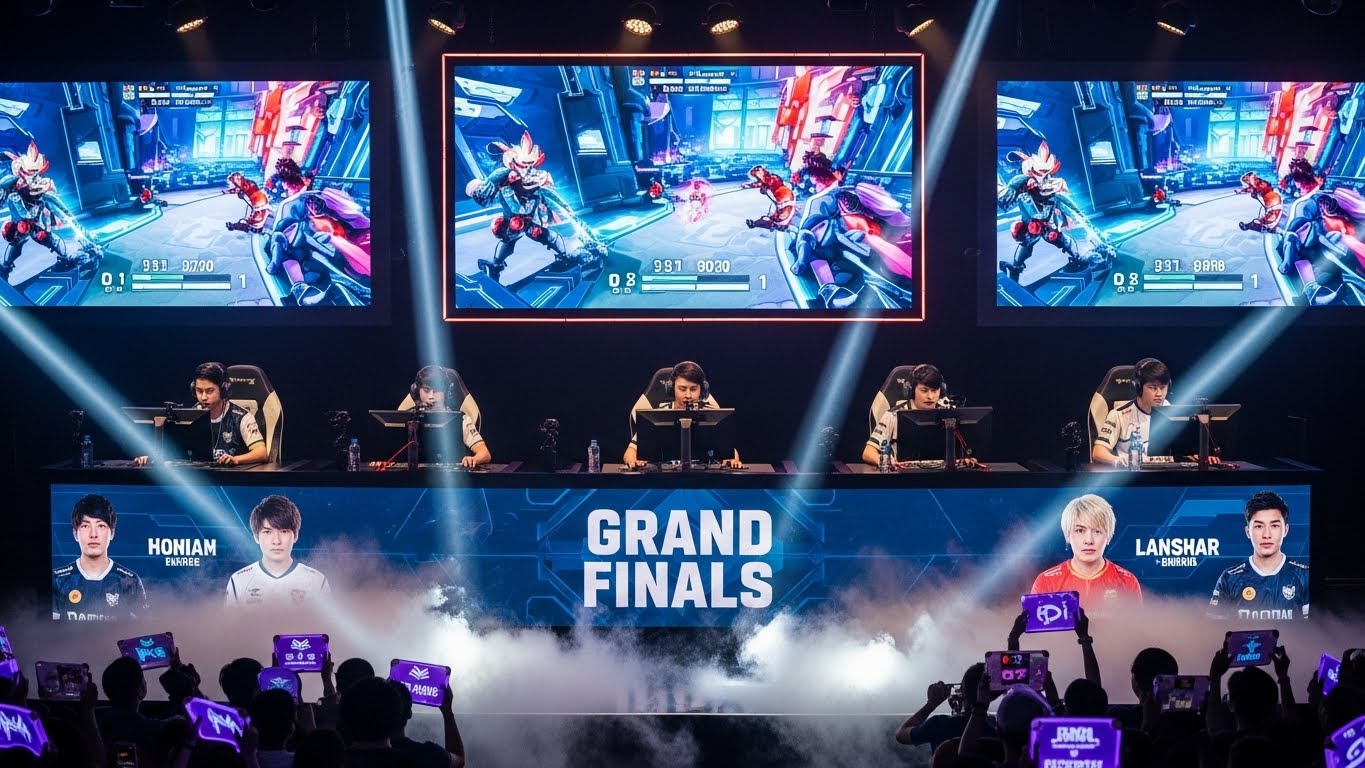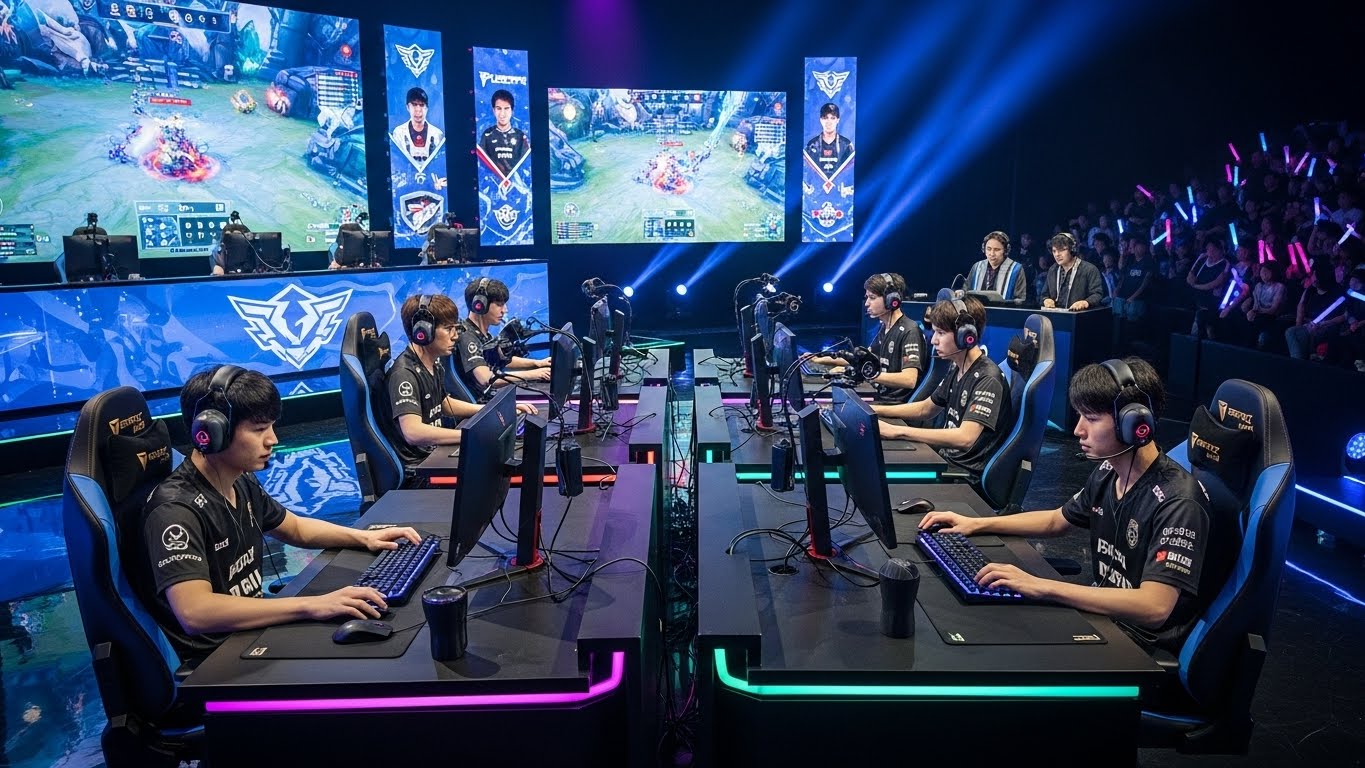
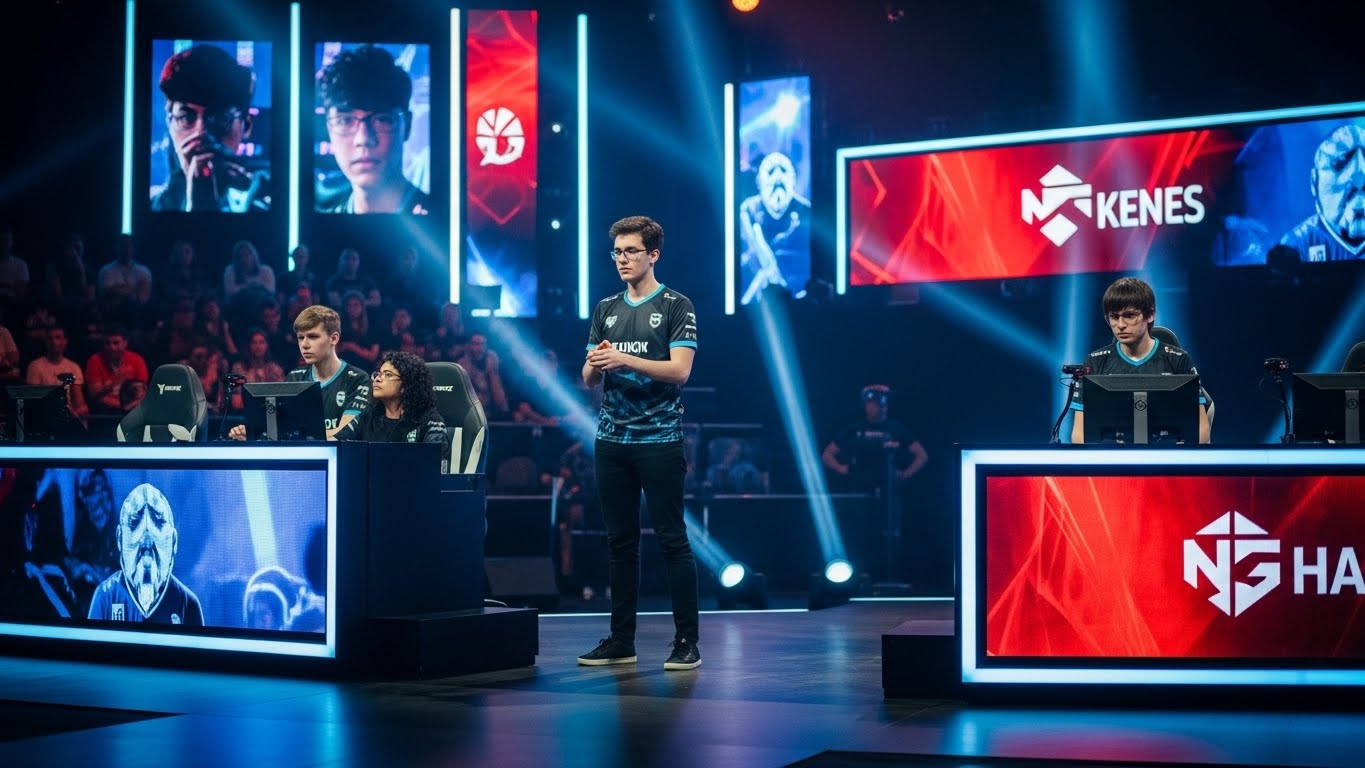
Esports has rapidly evolved from casual gaming sessions into a global competitive phenomenon. What was once seen as a hobby confined to bedrooms and internet cafés has now become a professional industry with massive audiences, structured leagues, and dedicated athletes. Esports represents a shift in how competition, entertainment, and skill are defined in the digital age. It blends technology, strategy, and human performance into a modern form of sport that continues to grow across cultures and generations.
Understanding the Concept of Esports
Esports, short for electronic sports, refers to organized competitive video gaming. Unlike casual play, esports involves structured matches, official rules, professional teams, and trained players. Competitions are held in leagues and tournaments, often culminating in international championships watched by millions.
What separates esports from traditional gaming is the level of discipline involved. Players practice for hours daily, analyze opponents, refine strategies, and work closely with teammates and coaches. Success depends on consistency, precision, and adaptability rather than chance.
The Early Days of Competitive Gaming
The origins of esports can be traced back to early gaming competitions held in arcades and small venues. Players competed for high scores, recognition, and sometimes modest prizes. These early events may have been small in scale, but they fostered a sense of competition and community.
As home computers and consoles became more powerful, multiplayer gaming expanded. The introduction of local area networks and later online connectivity allowed players to compete beyond physical locations. This technological shift laid the foundation for the global esports ecosystem we see today.
The Rise of Professional Esports
As competitive gaming gained popularity, it began to professionalize. Teams were formed, sponsors became involved, and tournaments offered increasingly larger prize pools. Esports organizations adopted structures similar to traditional sports clubs, complete with contracts, training schedules, and support staff.
Professional players emerged as public figures, admired for their skill, dedication, and strategic thinking. Esports events grew in scale, filling large venues and attracting international audiences. This transformation marked esports’ transition from niche entertainment to mainstream competition.
Popular Esports Game Categories
Esports includes a wide range of game genres, each requiring distinct skills. Multiplayer online battle arena games focus on teamwork, map control, and long-term strategy. First-person shooters emphasize reflexes, precision, and situational awareness. Fighting games rely heavily on timing, prediction, and individual skill.
Sports simulation games digitally recreate real-world athletics, attracting fans of traditional sports. Real-time strategy games test planning and adaptability, while newer competitive formats continue to emerge. This diversity ensures esports appeals to a broad audience with varying interests.
The Skill and Training Behind Esports
Esports athletes undergo intense training regimes. Practice sessions involve mechanical drills, strategy refinement, and team coordination. Players review gameplay footage to identify mistakes and improve performance. Training also includes maintaining physical health, as endurance and posture play important roles during long competitions.
Mental strength is crucial. Players must remain calm under pressure, make split-second decisions, and recover quickly from mistakes. Focus, resilience, and emotional control often determine the outcome of close matches.
Teamwork and Strategy in Esports
Many esports titles are team-based, making communication and coordination essential. Teams develop strategies tailored to their strengths and opponents’ weaknesses. Clear communication, trust, and adaptability are vital for success.
Coaches and analysts play key roles by studying opponents, preparing game plans, and helping players improve teamwork. Strong team chemistry often separates top-tier teams from average competitors, highlighting the importance of collaboration over individual skill alone.
The Esports Viewing Experience
Esports has become a major spectator activity. Fans watch live matches, follow leagues, and support favorite teams. Commentary and analysis enhance the experience, helping audiences understand complex strategies and key moments.
Spectatorship creates a strong sense of community. Fans discuss matches, celebrate victories, and share emotional highs and lows together. Esports events bring people together, both online and offline, forming passionate global communities.
Economic Growth of the Esports Industry
Esports has developed into a significant economic sector. Revenue comes from sponsorships, advertising, merchandise, ticket sales, and media production. Professional players earn income through salaries, tournament winnings, and brand partnerships.
Beyond players, the industry supports numerous careers. Event organizers, production crews, broadcasters, designers, and marketing professionals all contribute to esports’ growth. The expanding ecosystem demonstrates esports’ legitimacy as a professional industry.
Career Paths Beyond Playing
Not everyone in esports is a professional player. Many individuals build careers as coaches, commentators, analysts, managers, and content creators. Former players often transition into these roles, bringing valuable experience and insight.
Content creation and streaming have also opened new opportunities. Personal branding allows individuals to build audiences and careers around esports culture. These diverse paths make esports a sustainable industry with long-term potential.
Education and Skill Development Through Esports
Educational institutions are increasingly recognizing the value of esports. Competitive gaming develops transferable skills such as teamwork, communication, problem-solving, and leadership. Structured programs help students balance academics with competition.
Esports programs also provide pathways into technology, media, and business careers. By combining competition with education, esports fosters both personal and professional development.
Inclusivity and Accessibility in Esports
One of esports’ strengths is its accessibility. Physical size and strength are less limiting factors than in traditional sports. Anyone with dedication and access to technology can compete.
Efforts are being made to improve diversity and inclusion. Initiatives encourage participation from underrepresented groups and promote respectful communities. Inclusivity strengthens esports by expanding talent pools and fostering positive environments.
Challenges Facing the Esports World
Despite its success, esports faces challenges. Player burnout, mental health concerns, and short career spans are significant issues. Competitive pressure and long practice hours can take a toll on well-being.
Regulation and consistency across competitions also remain concerns. Ensuring fair play, ethical practices, and sustainable growth is essential for the future of esports.
The Future of Esports
The future of esports is full of promise. Advancements in technology will enhance gameplay, training, and viewing experiences. New competitive formats and emerging games will attract fresh audiences.
Esports is likely to integrate further into mainstream culture, education, and entertainment. As digital competition continues to gain acceptance, esports will redefine how society views sports and competition.
Conclusion
Esports represents a new chapter in competitive culture. It combines technology, strategy, and human skill in ways that resonate with a digital generation. From small local tournaments to global championships, esports has proven that competition does not require physical boundaries to be meaningful.
As the industry continues to grow, esports will inspire players, create careers, and connect communities worldwide. It is not just a trend but a lasting evolution in how competition, entertainment, and culture intersect in the modern world.