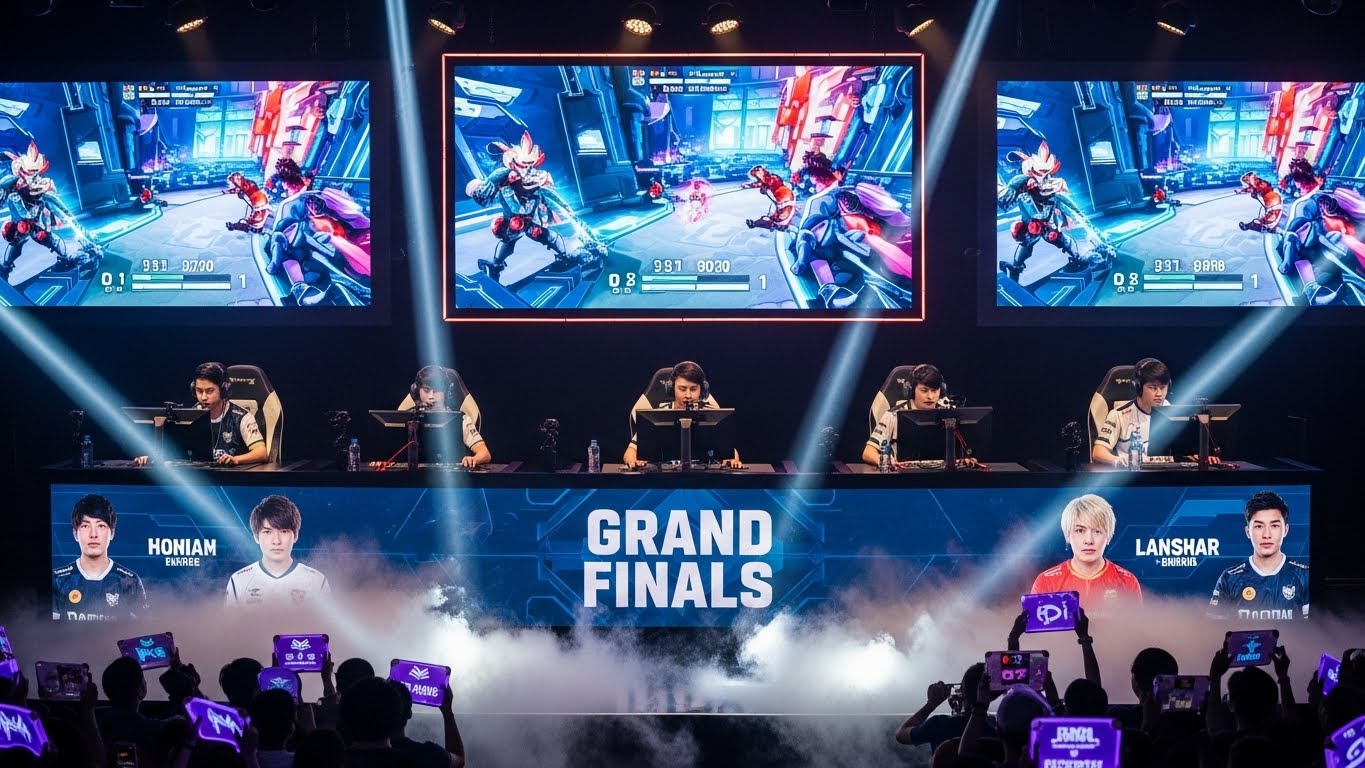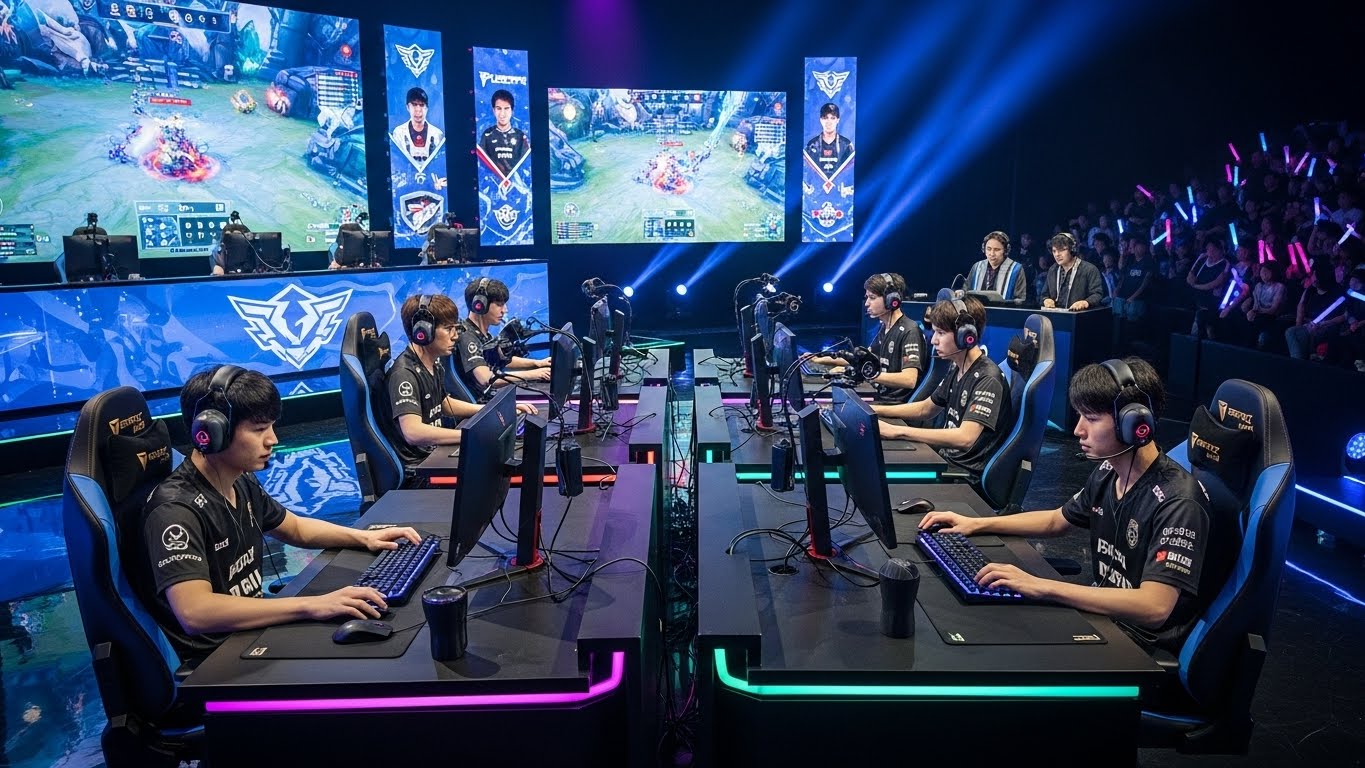
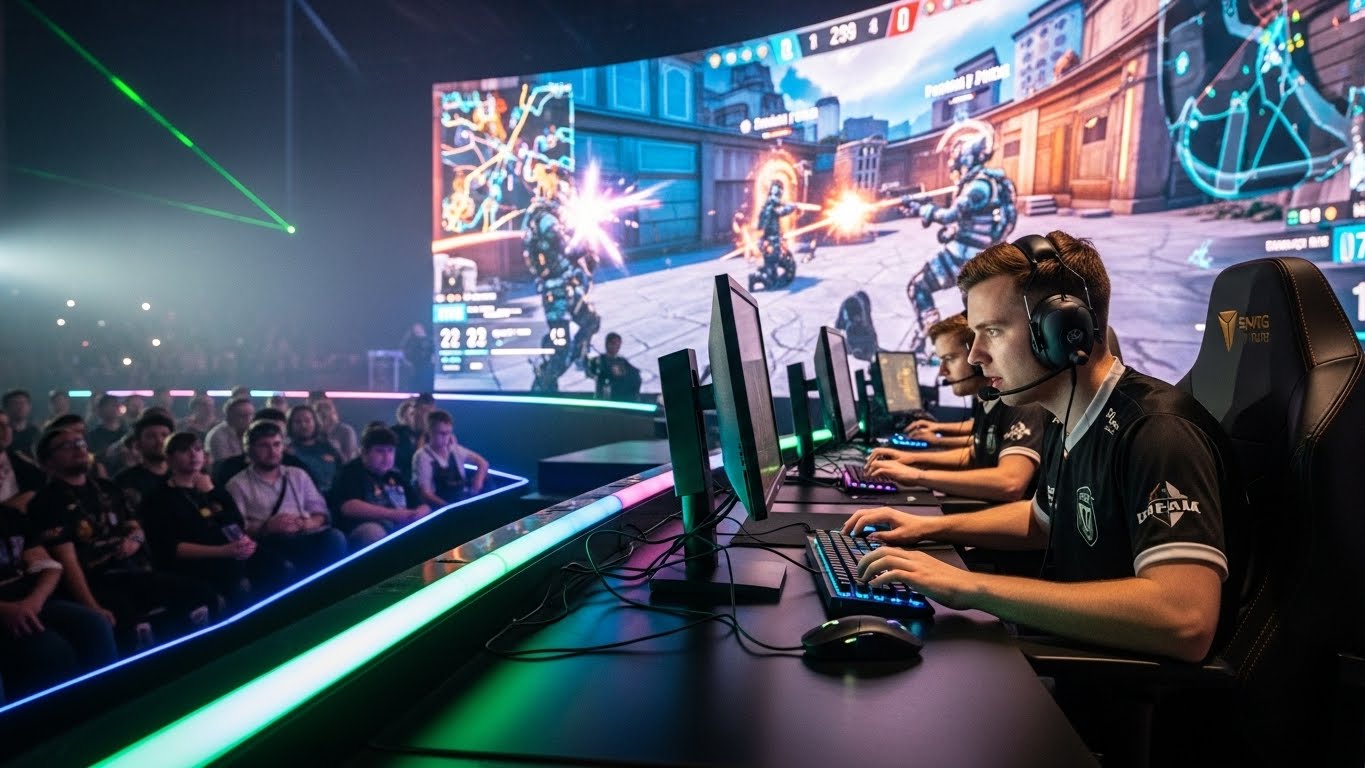
In the past decade, esports has transitioned from a niche hobby into a global phenomenon, capturing the attention of millions of players, fans, and investors worldwide. Competitive gaming, once dismissed as mere entertainment, now commands professional leagues, multimillion-dollar sponsorships, and massive international tournaments. The rise of esports is reshaping the way we view competition, community, and even career opportunities. This blog explores the world of esports, its impact on individuals and society, the evolution of the industry, and the future possibilities that lie ahead.
The Evolution of Esports
Esports, or electronic sports, refers to organized, competitive gaming where individuals or teams compete in video games at professional levels. While competitive gaming has existed since the early days of arcade and PC games, the modern esports industry began gaining momentum in the late 2000s with games like League of Legends, Dota 2, and Counter-Strike. With the advent of streaming platforms, tournaments became more accessible to global audiences, transforming esports into a spectator-driven industry. Today, esports spans multiple genres including first-person shooters, real-time strategy games, fighting games, and sports simulations, each cultivating dedicated communities and fan bases.
The Physical and Mental Demands of Esports
Contrary to the common misconception that esports is purely sedentary entertainment, professional gaming requires intense physical and mental conditioning. Reflexes, hand-eye coordination, and precise motor control are essential for success. Players often spend hours practicing strategies, perfecting techniques, and analyzing opponents’ gameplay. Mental resilience is equally crucial, as competitive gaming can involve high-pressure situations and extended periods of focus. The ability to maintain concentration, adapt strategies, and perform consistently under stress separates professional players from casual enthusiasts.
Building Skills Through Gaming
Esports nurtures a range of skills that are applicable beyond the digital arena. Strategic thinking, problem-solving, and quick decision-making are core elements of competitive gaming. Team-based games foster communication, collaboration, and leadership skills, while solo competitions encourage self-discipline and personal accountability. Many professional esports players also develop media and marketing skills through streaming, social media presence, and fan engagement. These abilities highlight that esports is not only about gameplay but also about cultivating versatile competencies that are valuable in real-world contexts.
Esports as a Career Path
One of the most striking aspects of the esports industry is the emergence of professional gaming as a viable career. Professional players, coaches, analysts, and content creators can earn substantial incomes through tournament winnings, sponsorships, and brand partnerships. Esports teams operate similarly to traditional sports organizations, complete with structured training programs, nutrition plans, and performance coaching. Moreover, the industry has created jobs in broadcasting, event management, game development, and marketing, offering diverse opportunities for individuals passionate about gaming. The professionalization of esports demonstrates how a once-underground hobby has evolved into a legitimate and sustainable career path.
The Global Esports Community
Esports is unique in its ability to bring together people from all corners of the world. Online tournaments, streaming platforms, and global competitions create communities that transcend geographical and cultural boundaries. Fans engage through live streams, forums, and social media, forming connections based on shared interests and mutual passion. The community aspect of esports is integral to its growth, as fan engagement drives viewership, sponsorship, and tournament success. In many ways, esports mirrors traditional sports in its ability to unite people through shared excitement and collective experience.
Major Esports Tournaments and Leagues
Esports has developed a structured ecosystem of tournaments and leagues, comparable to traditional sports championships. Competitions like The International, League of Legends World Championship, and EVO attract millions of viewers and offer prize pools worth millions of dollars. Regional leagues provide ongoing competitive play and opportunities for emerging talent, while international tournaments showcase the pinnacle of esports excellence. The professional infrastructure, including team organizations, coaching staff, and scouting systems, has elevated the level of competition and legitimized esports as a global sporting phenomenon.
The Role of Technology in Esports
Technology plays a central role in the growth and accessibility of esports. High-performance gaming hardware, fast internet connectivity, and advanced software allow players to perform at their best. Streaming platforms enable fans to watch live competitions from anywhere in the world, while analytics and performance tracking tools help teams optimize strategies. Virtual reality and augmented reality are emerging technologies that may further transform esports, offering immersive experiences and new ways to compete. The constant integration of technology ensures that esports remains at the cutting edge of entertainment and innovation.
Esports and Education
Increasingly, esports is making its way into educational institutions. Many colleges and universities now offer scholarships for esports players, alongside dedicated esports programs that combine competitive gaming with academic study. These programs teach skills such as team management, broadcasting, game development, and strategic analysis, providing students with practical experience in a rapidly growing industry. Integrating esports into education also promotes digital literacy, critical thinking, and creativity, equipping students with competencies relevant to modern careers.
Health and Wellness Considerations
While esports offers numerous benefits, it also presents unique challenges related to health and wellness. Extended gaming sessions can lead to physical strain, eye fatigue, and poor posture. Mental health considerations, including stress, burnout, and anxiety, are common among professional players. To address these concerns, many esports organizations emphasize balanced routines, incorporating physical exercise, proper nutrition, mental coaching, and scheduled rest. By prioritizing holistic well-being, the industry ensures that players can sustain peak performance over the long term.
Esports and Cultural Impact
Esports has had a significant cultural impact, influencing media, fashion, and entertainment. Popular games often inspire merchandise, music, and collaborations with mainstream brands, blurring the lines between digital and traditional culture. Esports stars have become influencers, shaping trends and promoting values such as perseverance, teamwork, and strategic thinking. The cultural relevance of esports highlights its capacity to connect with younger generations and redefine modern entertainment.
Challenges Facing the Esports Industry
Despite its rapid growth, the esports industry faces several challenges. Player burnout, regulatory inconsistencies, and issues of fairness and cheating are ongoing concerns. Additionally, monetization models, including sponsorship reliance and streaming revenue, can be unpredictable. The industry is also navigating the balance between commercialization and maintaining community integrity. Addressing these challenges is essential for ensuring the long-term sustainability of esports as both a competitive field and a global entertainment platform.
The Future of Esports
The future of esports is bright, with continuous growth in audience, revenue, and technological innovation. Emerging trends such as virtual reality competitions, mobile esports, and cross-platform tournaments are expanding accessibility and engagement. Esports is likely to further integrate into mainstream sports culture, with collaborations between traditional sports organizations and gaming companies becoming more common. As the industry evolves, esports will continue to redefine what it means to compete, connect, and create in the digital age.
Personal Stories of Transformation
Esports has transformed countless lives, providing opportunities for personal growth, financial independence, and community building. Many professional players have risen from humble beginnings to global recognition, inspiring millions of fans along the way. Local esports programs empower youth, offering mentorship, teamwork experiences, and a sense of purpose. These stories emphasize that esports is more than entertainment; it is a platform for empowerment, learning, and human connection.
Conclusion: Esports as a Catalyst for Change
Esports represents a paradigm shift in how society views competition, entertainment, and community. It combines physical skill, mental strategy, and technological innovation to create an industry that is as dynamic as it is inclusive. Esports offers professional opportunities, educational pathways, and cultural influence, all while fostering global connections and personal growth. As the industry continues to mature, it will play an increasingly important role in shaping the future of entertainment, sports, and digital culture.
The rise of esports demonstrates that passion, skill, and dedication can redefine the boundaries of achievement. Beyond the screen lies a world of opportunities, challenges, and communities that exemplify the transformative power of competitive gaming. Whether as a player, coach, fan, or developer, engaging with esports opens doors to creativity, collaboration, and innovation in ways that extend far beyond the digital realm.