Introduction: The Rise of Esports
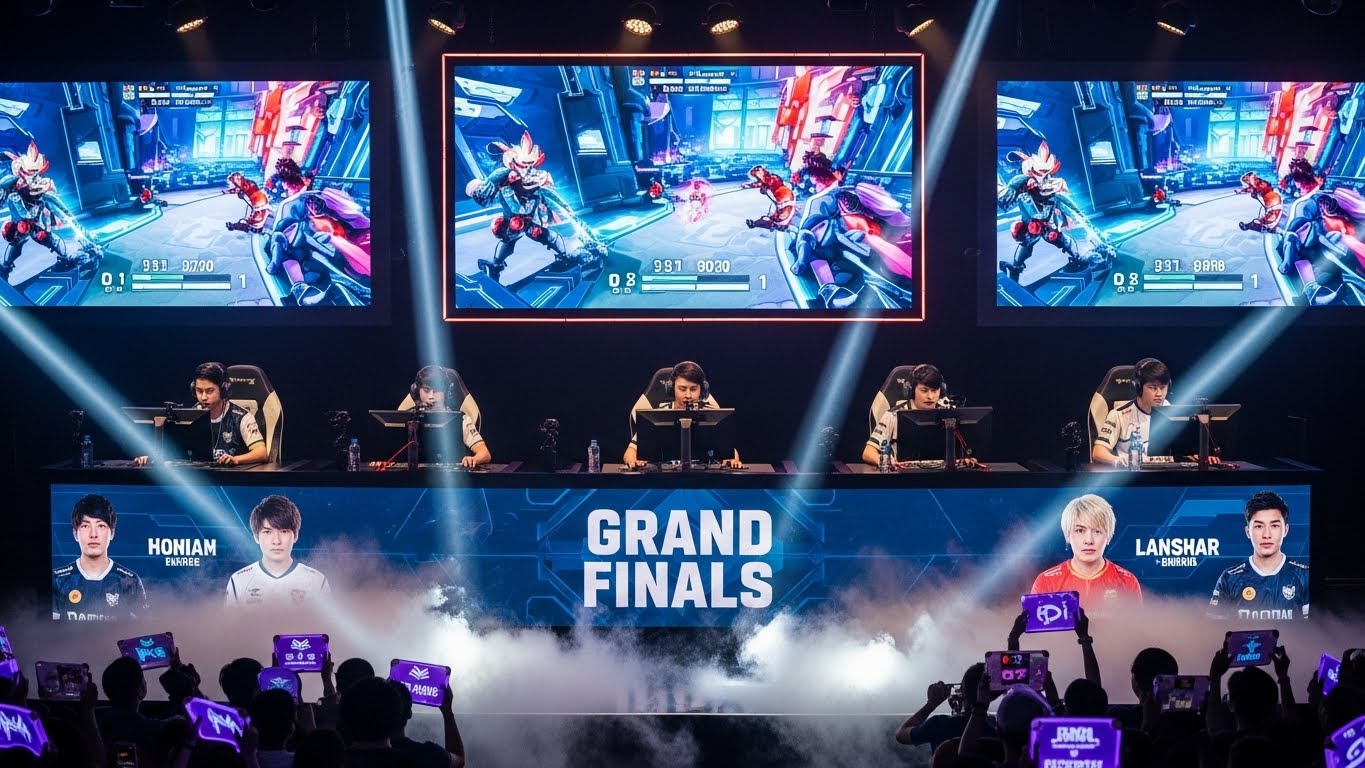
Esports, or electronic sports, has transformed from a niche hobby into a global phenomenon that attracts millions of fans and players worldwide. What was once considered a pastime for gamers is now a legitimate competitive arena with professional leagues, sponsorships, and massive audiences. The growth of esports reflects broader changes in technology, entertainment, and social interaction. This blog explores how esports has become a cultural powerhouse, its impact on society, and what the future may hold.
The Origins of Competitive Gaming
Competitive gaming has existed for decades, dating back to early arcade tournaments and local gaming competitions. Games like Pac-Man and Street Fighter laid the foundation for organized play, but esports as we know it began with online games in the late 1990s and early 2000s. Titles like StarCraft, Counter-Strike, and Warcraft drew players from around the globe, creating communities and rivalries that transcended geography.
These early competitions highlighted the potential for gaming as a spectator sport. Audiences were captivated by skillful gameplay, strategy, and the excitement of live tournaments. This set the stage for the professional esports ecosystem we see today.
The Explosion of Esports Popularity
In recent years, esports has exploded in popularity. High-profile tournaments now fill stadiums and attract millions of viewers online. Games such as League of Legends, Dota 2, Fortnite, and Valorant dominate the competitive landscape, offering substantial prize pools and sponsorship opportunities.
Streaming platforms have played a key role in this growth. By making esports accessible to anyone with an internet connection, live broadcasts have turned competitive gaming into a mainstream form of entertainment. Fans can watch their favorite teams, follow players’ journeys, and engage with content in real time, creating a sense of community around the competition.
The Structure of Esports Leagues and Tournaments
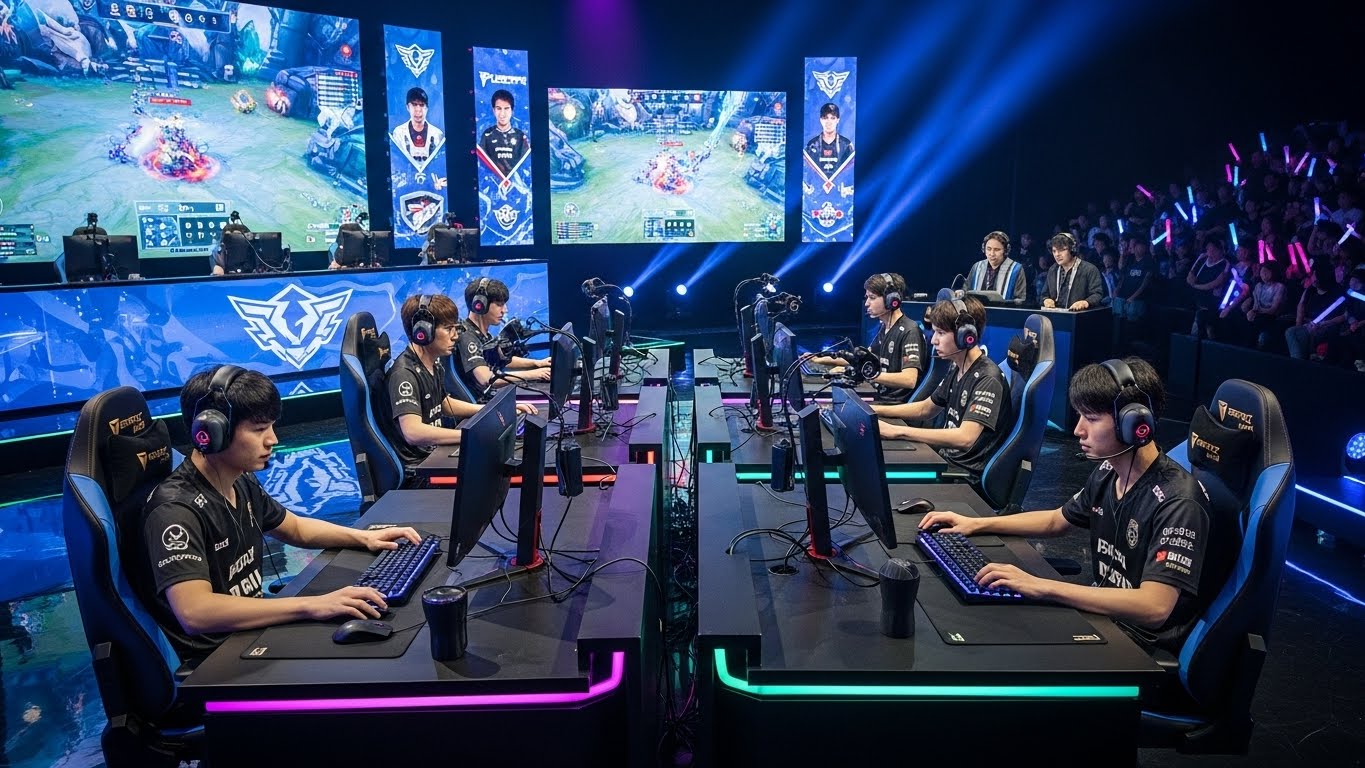
Esports operates through a complex ecosystem of leagues, tournaments, and events. Professional teams compete in regular seasons and qualifiers, aiming to reach high-stakes championships. The organizational structure mirrors traditional sports, with coaches, analysts, and managers all playing essential roles.
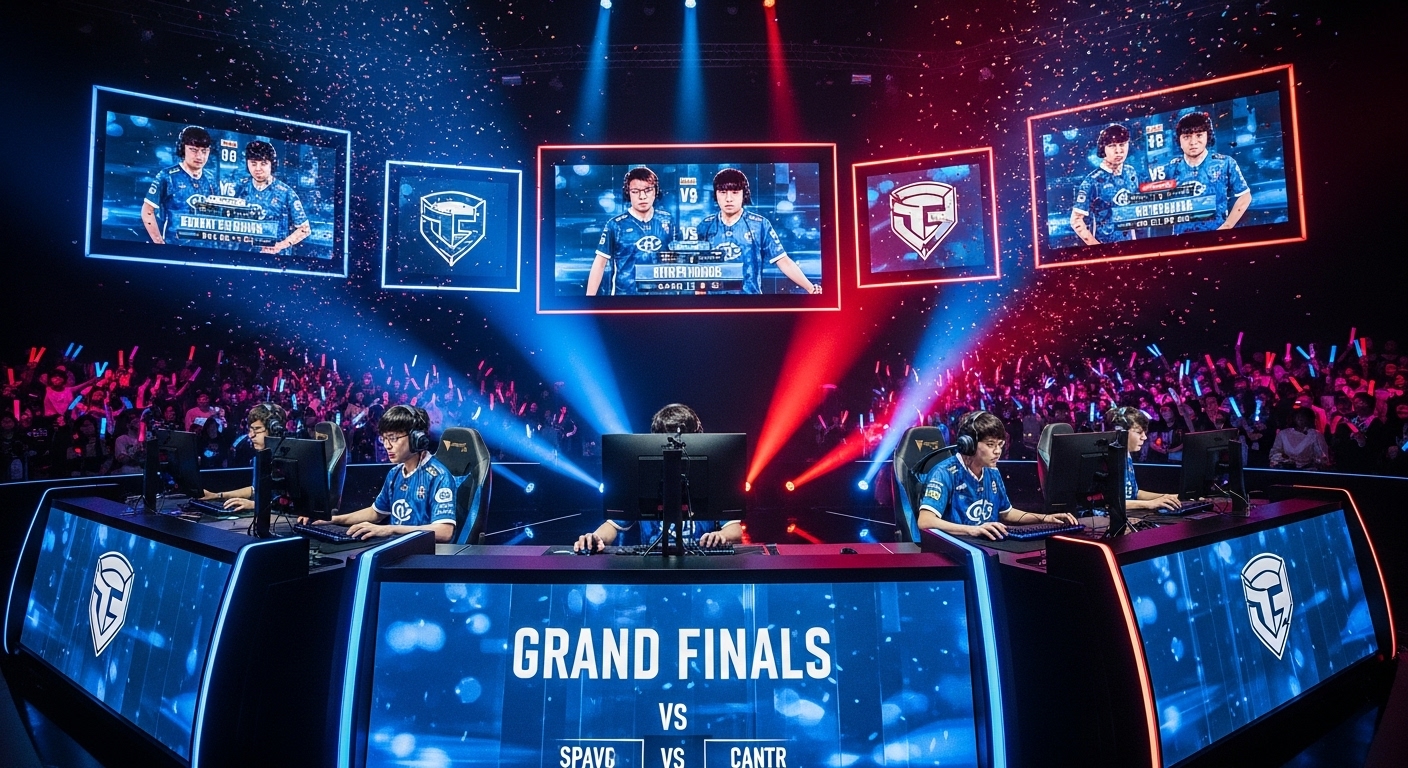
Tournaments vary in format, including single-elimination brackets, double-elimination brackets, and round-robin competitions. Large-scale events often feature live audiences, live streams, and media coverage, further bridging the gap between traditional sports and esports. This professional infrastructure has legitimized esports as a serious career path for talented gamers.
The Players: From Gamers to Global Celebrities
Esports players are no longer just gamers; they are global celebrities with significant influence. Top players have millions of followers on social media and streaming platforms, and their skills are celebrated much like traditional athletes. Dedication, practice, and strategic thinking define a professional esports player, making the profession demanding yet rewarding.
The life of an esports player involves rigorous practice schedules, team coordination, and constant adaptation to new game updates. The pressure to perform is high, but for many, the opportunity to compete at the highest level and gain worldwide recognition is a powerful motivator.
The Role of Streaming and Content Creation
Streaming has become a cornerstone of esports culture. Platforms allow players to broadcast their gameplay, interact with fans, and share insights into strategies. Content creation expands the reach of esports beyond traditional tournaments, enabling players to build personal brands and cultivate loyal communities.
This dual role as competitors and content creators sets esports apart from traditional sports. Fans are drawn not only to the gameplay but also to the personalities and stories behind each player. The connection between creators and audiences has redefined how competitive entertainment is consumed.
The Economic Impact of Esports
Esports is no longer just a form of entertainment; it is a significant economic force. Sponsorships, merchandise, ticket sales, and media rights generate billions of dollars annually. Brands from technology to fashion recognize the value of reaching esports audiences, which are often young, engaged, and tech-savvy.
The economic ecosystem also supports game developers, production teams, and event organizers, creating opportunities for careers beyond professional play. This commercial growth has helped solidify esports as a legitimate industry with long-term potential.
The Social and Cultural Influence of Esports
Esports is more than competition; it is a cultural movement. It fosters communities where people share interests, collaborate, and celebrate achievements together. Online forums, fan art, cosplay, and community events all contribute to the culture surrounding competitive gaming.
Additionally, esports challenges traditional perceptions of sports, gender, and global interaction. It provides inclusive spaces where skill, strategy, and teamwork take precedence over physical attributes. The cultural impact of esports extends to education, entertainment, and even international diplomacy, as tournaments bring together players from diverse backgrounds.
Mental and Physical Demands of Esports
While esports is often associated with sedentary activity, the mental and physical demands are significant. Players must maintain focus, react quickly, and execute precise strategies under pressure. Cognitive endurance, decision-making, and stress management are crucial for sustained performance.
Professional teams often include psychologists, nutritionists, and fitness trainers to support players’ overall well-being. This holistic approach underscores the intensity of esports and the commitment required to compete at elite levels.
Women in Esports: Breaking Barriers
Women have historically been underrepresented in esports, but this is gradually changing. Female players, commentators, and organizers are gaining recognition, challenging stereotypes and inspiring new generations. Inclusive initiatives, dedicated tournaments, and community support have helped increase visibility and opportunities for women in competitive gaming.
Representation matters in esports, and the ongoing efforts to foster diversity are reshaping the industry, making it more inclusive and reflective of a global audience.
Esports Education and Career Opportunities
Esports is creating educational pathways and career opportunities that were unimaginable a decade ago. Schools and universities offer scholarships, esports programs, and professional training courses to develop skilled players and industry professionals. Careers span beyond players, including event management, coaching, marketing, game design, and content production.
These opportunities demonstrate that esports is more than a hobby; it is a viable professional pursuit with long-term growth potential.
The Future of Esports
The future of esports is poised for even greater innovation and growth. Advances in virtual reality, artificial intelligence, and cloud gaming may redefine gameplay, audience interaction, and competition formats. Cross-platform tournaments and international leagues will continue to expand global reach, while technological improvements will enhance immersion and accessibility.
Esports will likely continue blending entertainment, social connection, and professional competition, solidifying its place as a permanent fixture in modern culture.
Conclusion: Esports as a Cultural and Competitive Force
Esports has evolved far beyond casual gaming. It represents a fusion of competition, entertainment, and community that resonates across the world. With professional leagues, global audiences, and economic influence, esports is redefining what it means to compete, connect, and engage in the digital age.
As technology advances and the industry continues to grow, esports will shape not only how we play games but also how we experience entertainment, build communities, and celebrate talent on a global scale. The rise of esports is a testament to human creativity, innovation, and the enduring appeal of competition beyond the screen.