Introduction: The New Age of Competitive Play
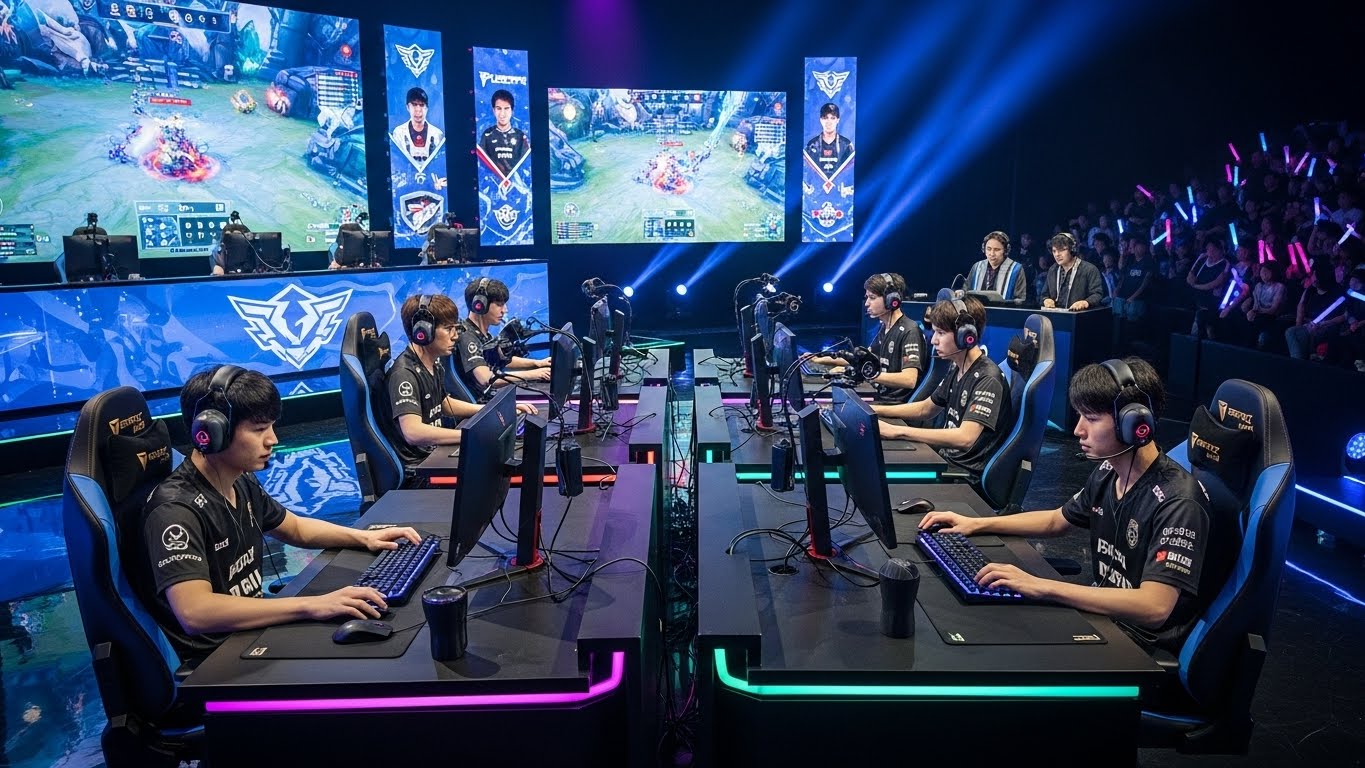
Esports has rapidly evolved from casual gaming sessions into a powerful global industry that commands massive audiences, professional structures, and cultural relevance. What was once considered a hobby confined to bedrooms and internet cafés is now played on grand stages in front of millions of viewers worldwide. Esports represents a shift in how competition, entertainment, and technology intersect. It is not simply about video games; it is about skill, discipline, teamwork, and a shared digital culture that continues to grow every year.
Understanding What Esports Truly Is
Esports, short for electronic sports, refers to organized competitive gaming where players or teams face each other in structured tournaments and leagues. These competitions are governed by rules, formats, and ranking systems similar to traditional sports. Esports covers a wide range of game genres, including strategy-based games, shooting games, sports simulations, and team-based tactical titles. What makes esports unique is its digital foundation, allowing global participation and viewership without physical boundaries.
The Early Days of Competitive Gaming
The roots of esports can be traced back to early video game competitions where players challenged each other for high scores and bragging rights. In the early years, these competitions were small and informal, often taking place in arcades or local gatherings. As personal computers and consoles became more advanced, competitive gaming grew more structured. The arrival of online multiplayer gaming marked a turning point, allowing players from different locations to compete against one another, setting the stage for modern esports.
The Growth of Professional Esports
The professionalization of esports transformed gaming into a viable career path. Organized leagues, major tournaments, and professional teams began to emerge, offering prize pools that rivaled those of traditional sports. Players signed contracts, received salaries, and trained full-time to compete at the highest level. This shift brought legitimacy to esports and attracted sponsors, media attention, and investors. Esports became an industry built on performance, entertainment, and brand value.
Esports Players as Modern Athletes
Professional esports players are often referred to as digital athletes due to the level of skill and dedication required to compete. They spend hours each day practicing mechanics, strategies, and teamwork. Quick reflexes, sharp decision-making, and mental resilience are essential traits. In addition to gaming skills, players must maintain physical and mental health to sustain performance over long careers. Training routines increasingly include exercise, nutrition planning, and mental coaching.
Teams and Organizations in Esports
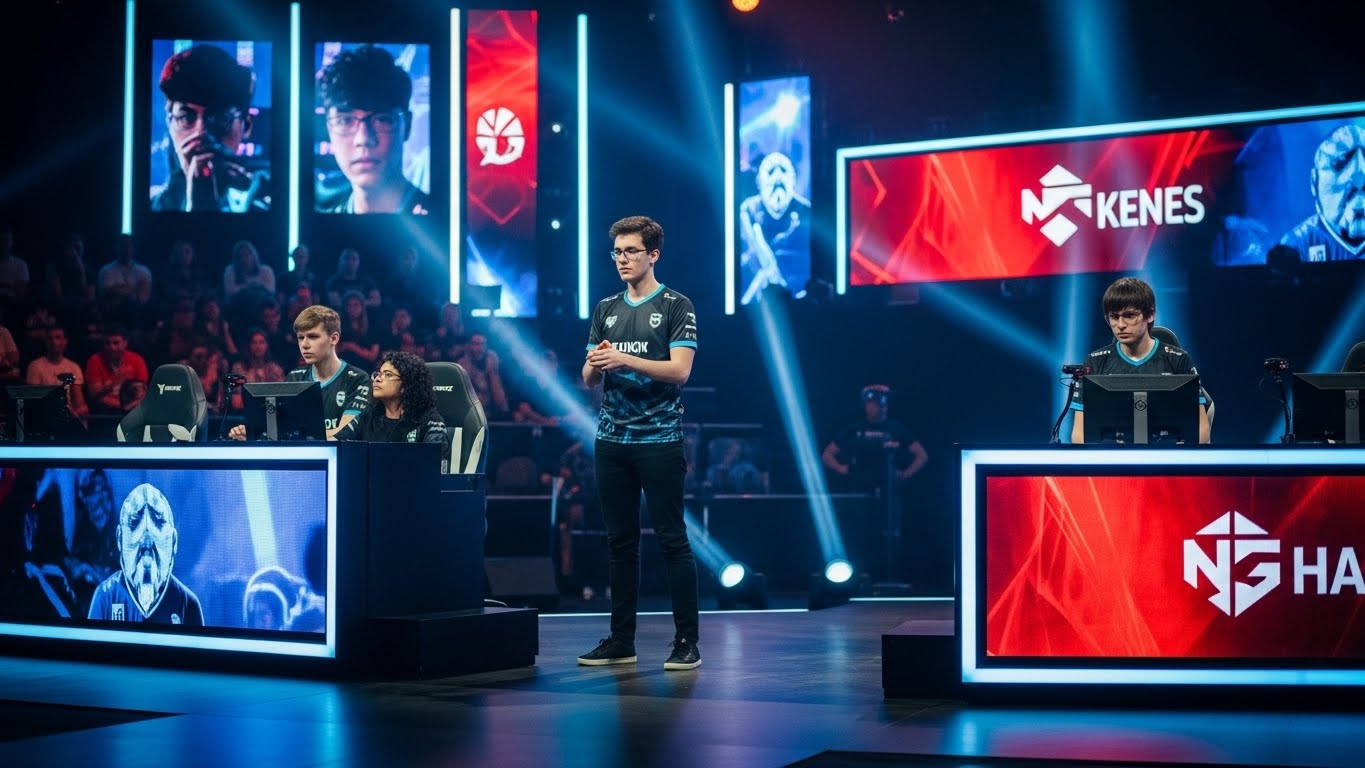
Esports teams operate similarly to traditional sports franchises. They recruit talent, manage rosters, develop strategies, and represent brands in competitions. Many organizations compete across multiple games, expanding their reach and influence. These teams focus heavily on fan engagement, using content creation, live interactions, and storytelling to build loyal communities. Players often become public figures, connecting with fans beyond the game through their personalities and personal journeys.
The Role of Game Developers
Unlike traditional sports, esports titles are owned and controlled by game developers. Developers shape the competitive ecosystem by updating game mechanics, balancing gameplay, and organizing official tournaments. Their decisions directly impact the longevity and fairness of competitive scenes. Successful esports games are designed with depth, balance, and spectator appeal in mind, ensuring they remain engaging for both players and viewers.
Streaming and Spectator Experience
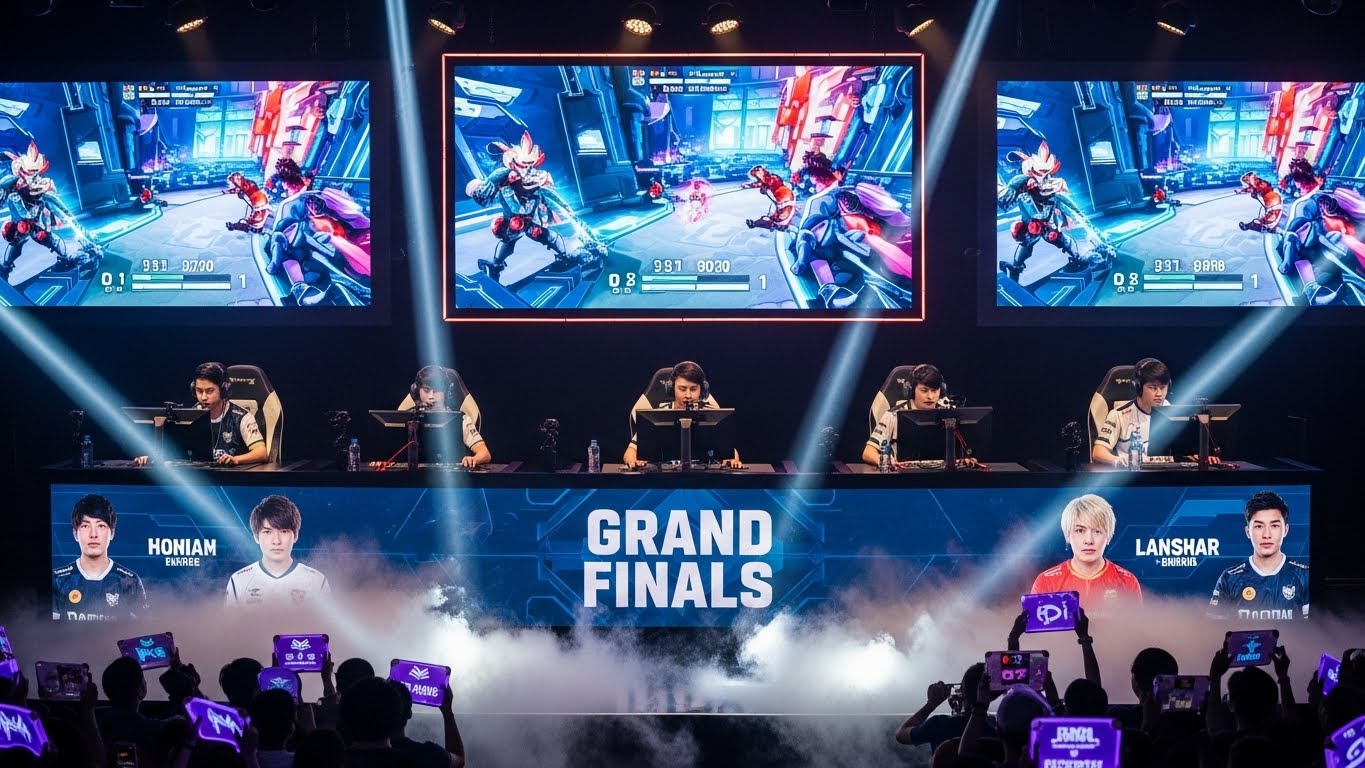
One of the most revolutionary aspects of esports is how it is watched. Live streaming allows fans to experience matches in real time while interacting with other viewers and commentators. This interactive environment creates a sense of community and shared excitement. Viewers can follow their favorite teams, analyze strategies, and engage in discussions during matches. This accessibility has played a crucial role in the global growth of esports audiences.
Global Reach and Cultural Influence
Esports transcends borders, bringing together players and fans from diverse cultures and regions. International tournaments showcase different playstyles and strategies, creating exciting rivalries and narratives. Esports has become a major part of youth culture, influencing fashion, language, and online trends. It has also helped bridge cultural gaps by creating shared experiences and global communities united by a passion for gaming.
Economic Impact of the Esports Industry
The esports industry generates revenue through sponsorships, advertising, merchandise, media rights, and live events. Major brands recognize esports as an effective way to connect with younger audiences. Investments in infrastructure, such as training facilities and arenas, reflect the industry’s long-term potential. Esports has created jobs across multiple sectors, including production, marketing, event management, and technology, contributing to economic growth worldwide.
Education and Career Pathways in Esports
Esports has found its way into educational institutions, with schools and universities offering competitive teams and academic programs. These initiatives help students develop teamwork, communication, and strategic thinking skills. Esports education also opens doors to careers beyond playing, such as coaching, broadcasting, analytics, and game design. By integrating esports into education, institutions support the development of future professionals in a growing industry.
Challenges Facing the Esports Ecosystem
Despite its success, esports faces several challenges. Player burnout is a common issue due to intense training schedules and performance pressure. The rapid evolution of games can create uncertainty for players and teams. Regulatory inconsistencies and concerns about fair play also pose obstacles. Addressing these challenges requires collaboration between developers, organizations, and governing bodies to ensure a sustainable and healthy competitive environment.
Health and Well-Being of Players
The physical and mental well-being of esports players has become an important focus. Long hours of practice can lead to fatigue, stress, and repetitive strain injuries. Forward-thinking teams now prioritize balanced lifestyles, incorporating physical fitness, mental health support, and rest into training programs. This holistic approach recognizes that long-term success depends on maintaining overall health and well-being.
Technology Driving Esports Innovation
Technological advancements continue to shape the evolution of esports. Improved internet infrastructure, advanced analytics, and immersive viewing experiences enhance both gameplay and spectating. Virtual and augmented reality technologies offer new possibilities for training and entertainment. As technology evolves, esports will continue to push the boundaries of what competitive gaming can achieve.
Esports and Mainstream Recognition
Esports is gaining recognition alongside traditional sports, with increasing coverage in mainstream media and collaborations with established sports organizations. This growing acceptance challenges outdated stereotypes about gaming and highlights the skill and dedication required to compete at a high level. Esports is steadily becoming a respected form of competition and entertainment worldwide.
The Social Power of Esports Communities
Esports thrives on its communities. Fans form strong connections through shared experiences, discussions, and support for their favorite teams and players. Online communities foster creativity, collaboration, and belonging. These social bonds are a key reason why esports resonates so deeply with audiences, turning spectators into active participants in the culture.
The Future of Esports
The future of esports looks promising, with continued growth in audiences, technology, and global reach. Emerging innovations will enhance gameplay, storytelling, and fan engagement. As esports matures, it will continue to influence entertainment, education, and digital culture. Its ability to adapt and evolve ensures its place in the future of competitive entertainment.
Conclusion: A Digital Sport with Real Impact
Esports has transformed the concept of competition in the digital age. It combines technology, human skill, and global connectivity to create a powerful form of entertainment and cultural expression. From its humble beginnings to its current global presence, esports continues to redefine what it means to compete and connect. As the industry grows, esports stands as a testament to how virtual worlds can create real-world passion, opportunity, and community.