Introduction: The Evolution of Competitive Play
In just a few decades, esports has transformed from a niche hobby to a global entertainment powerhouse. Once viewed simply as casual gaming between friends, competitive video gaming has now grown into a structured, professional, and multi-billion-dollar industry. Today’s esports athletes train like traditional sports stars, compete in massive arenas, and captivate millions of viewers worldwide. This new digital arena has not only reshaped how we think about sports but has also altered media consumption, fan engagement, and global culture. In this blog, we will explore the rise of esports, the forces driving its popularity, and the reasons it continues to attract both players and audiences across the world.
The Early Days: From Arcade Challenges to Competitive Communities
The roots of esports can be traced back to arcade competitions and early PC gaming tournaments. In the 1970s and 1980s, friendly challenges on classic games like Space Invaders, Donkey Kong, and Street Fighter set the stage for competitive play. These early competitions were small, local, and often informal, but they planted a seed. Gamers began realizing that skill, strategy, and mastery could elevate gaming beyond mere recreation.
By the 1990s, the introduction of home consoles and the rise of local multiplayer games helped form tighter gaming communities. LAN parties—where players connected their computers in the same physical space—gave birth to more organized competitions. Legendary titles like Doom, StarCraft, and Counter-Strike defined the earliest generation of competitive gamers. What had once been random arcade showdowns was becoming something larger, something with structure, identity, and community.
The Explosion of Online Gaming
The arrival of mainstream internet connectivity changed everything. Suddenly, competitive gamers no longer needed to gather in person. They could challenge rivals from different regions and countries with ease. This shift expanded the talent pool dramatically, giving rise to online ranked ladders, team-based tournaments, and international rivalries.
Games like League of Legends, Dota, and Overwatch would later build on this foundation, offering structured ranking systems and competitive modes that encouraged skill progression. Online accessibility democratized esports: anyone with enough talent and dedication could rise, regardless of geographic location or local opportunities. This global connectivity became one of the biggest catalysts for esports’ explosive growth.
Professionalization and Formation of Esports Leagues
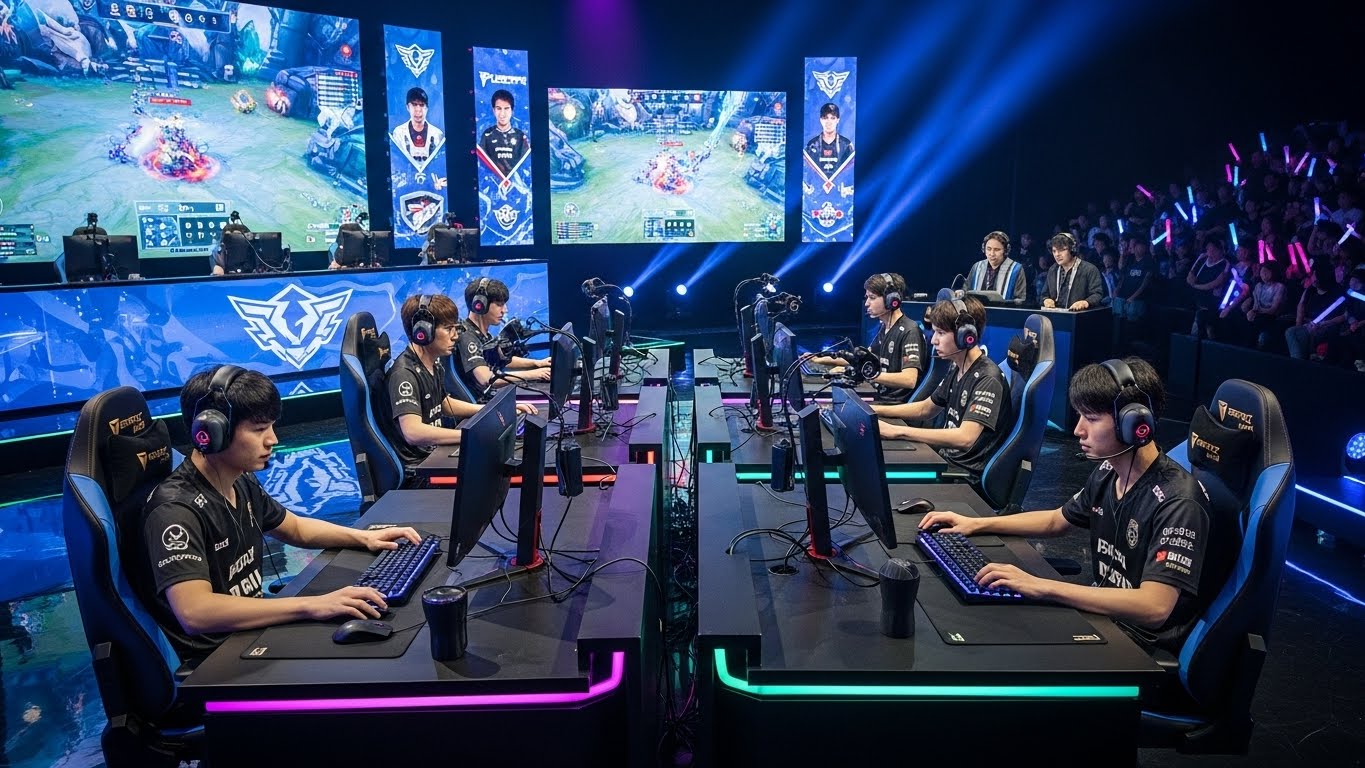
As competition intensified, esports began adopting the structure of traditional sports. Professional teams formed, coaches were hired, analysts studied game data, and training routines became more specialized. What started as casual competition evolved into rigorous practice schedules, mental conditioning, and team strategies.
Major game publishers introduced formal leagues. For example, global circuits were created around titles like League of Legends with season-based structures, playoffs, and championships. Professional organizations began investing heavily in esports divisions, signing players, recruiting support staff, and building branded identities. This professionalization legitimized esports in the eyes of mainstream audiences and turned skilled gamers into full-time athletes.
The Rise of Esports Arenas and Mega Tournaments
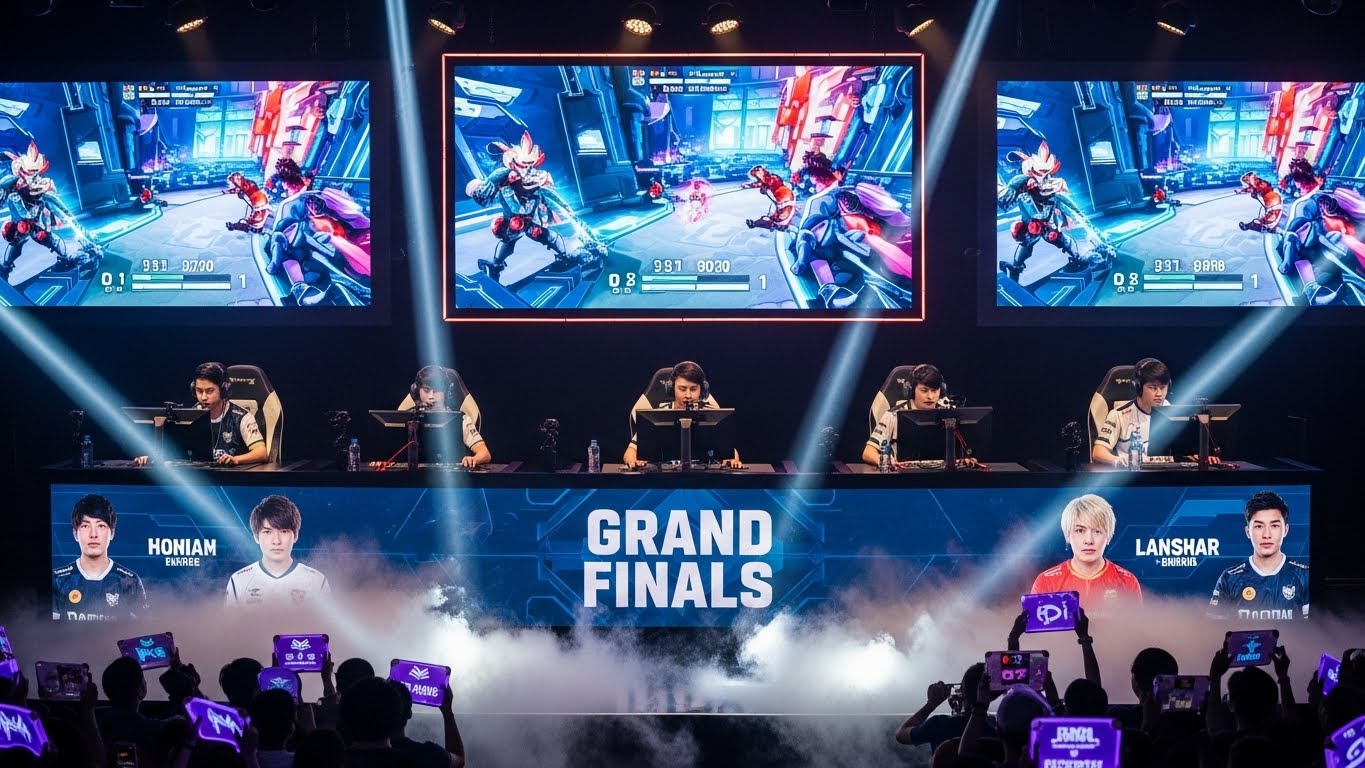
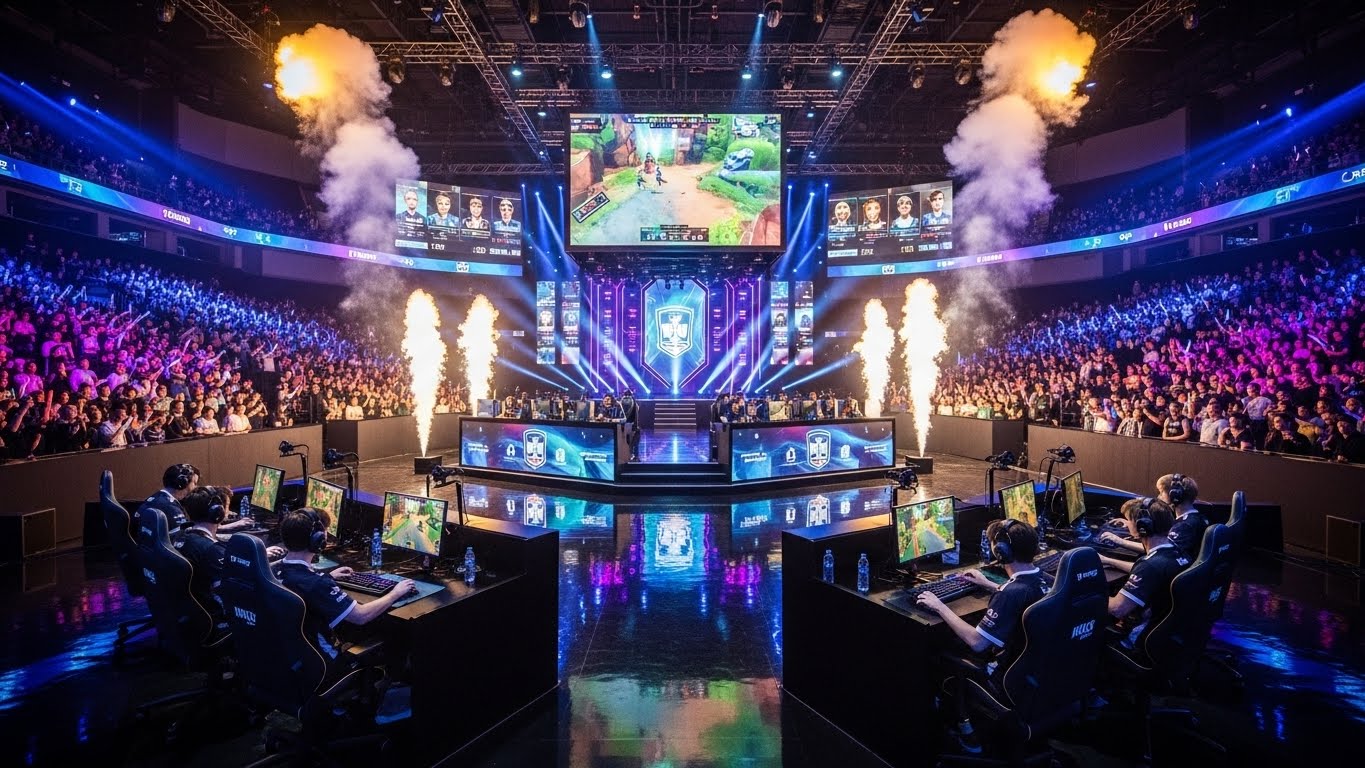
One of the most iconic signs of esports’ growth is the development of massive tournaments held in real-world arenas. These events draw tens of thousands of fans in person and millions more through live broadcasts. The energy in these arenas rivals that of traditional sports: teams enter to dramatic music, fans cheer with posters and chants, and the tension is palpable during every decisive play.
Prize pools have also grown exponentially. Some tournaments boast multimillion-dollar rewards, elevating esports athletes to celebrity status in the digital world. These events highlight not only the competitive spirit of gaming but also the connection between players and fans who follow the action passionately.
Streaming Platforms and the New Era of Spectatorship
Streaming platforms changed the way people watch and consume gaming. Instead of waiting for tournaments, fans can now watch their favorite players practice, entertain, and communicate with viewers in real time. The rise of game streaming has created a new breed of influencers who blend competitive skill with personal storytelling and audience interaction.
Esports spectatorship expanded dramatically because watching digital games became as engaging as playing them. With high-quality broadcasts, real-time commentary, and dynamic visuals, esports events offer accessibility and excitement for all kinds of fans, from newcomers to seasoned gamers. This interactive viewing culture has created a hybrid entertainment medium that merges sports, gaming, and digital personality branding.
The Global Appeal: Why Esports Resonates Across Cultures
One of the biggest strengths of esports is its universal accessibility. Unlike many traditional sports that rely on physical ability, esports focuses on mental agility, quick reflexes, and strategic thinking. This makes it inclusive for players of different backgrounds, ages, and physical conditions.
Additionally, gaming culture transcends language barriers. A fan in North America can cheer for a favorite team from South Korea, and a player in Brazil can compete against opponents from Europe without ever leaving their home. Esports has become a cultural bridge that connects people through shared passion rather than geographic boundaries.
Esports as a Career: More Than Just Playing Games
While professional players receive much of the spotlight, esports has created a wide range of career opportunities. Commentators, analysts, coaches, event organizers, broadcast producers, marketers, and community managers all play essential roles in the ecosystem. Educational institutions now offer scholarships and programs centered around game development and esports management.
This growing industry has opened doors for young people who are passionate about gaming but want to contribute beyond the competitive stage. As esports continues to expand, so too will the opportunities for creative and technical careers that support it.
The Impact of Esports on Culture and Media
Esports influences fashion, music, marketing, and even film. Gaming-inspired apparel has become a trend, and mainstream musicians collaborate with teams or perform at tournaments. Brands outside of gaming—from beverage companies to car manufacturers—sponsor esports teams to reach younger audiences.
Media consumption habits are also shifting. Traditional television is losing ground to digital platforms that offer live chat, real-time reactions, and interactive elements. Esports reflects these new habits perfectly by delivering entertainment tailored to the digital generation.
Challenges Facing the Esports Industry
Despite its rapid growth, esports faces challenges that must be addressed to ensure long-term sustainability. Player burnout is a major concern due to intense practice schedules and constant performance pressure. Competitive fairness must be maintained through anti-cheat measures, balanced game updates, and transparent tournament rules.
Additionally, some regions face infrastructure limitations, such as unstable internet access or lack of official support. Governance remains an area in development since, unlike traditional sports, esports is heavily influenced by the companies that develop game titles. As the industry matures, it must work toward establishing shared standards and long-term stability.
The Future of Esports: A New Frontier of Competition
The future of esports is more promising than ever. Advancements in technology—such as virtual reality, augmented reality, and cloud gaming—will open new forms of competitive experiences. Artificial intelligence may create new forms of training for players, while virtual arenas could redefine fan engagement.
Schools and universities are integrating esports into their programs, nurturing future talent and normalizing gaming as a legitimate pursuit. As generations grow up with games as a major part of their entertainment landscape, esports will continue to expand and innovate, capturing hearts and screens worldwide.
Conclusion: A Digital Revolution in Motion
Esports is not just a trend; it is a cultural, technological, and entertainment revolution. It represents the evolution of competition in a digital age where skill, creativity, and strategy matter more than physical limitations. From small arcade competitions to global championship arenas, esports has paved a remarkable journey. Its influence stretches far beyond gaming, shaping modern media, culture, and community.
As more people embrace digital entertainment and new forms of connection, esports will continue to rise, inspiring a new generation of competitors and fans alike. The digital arena is here to stay—and its story is only just beginning.