Introduction to the Rise of Esports
Esports has transformed from a niche hobby into one of the most influential entertainment industries of the modern era. What was once a small gathering of gamers competing in local arcades has evolved into massive arenas filled with cheering fans, professional players, multi-million-dollar tournaments, and global recognition. Today, esports is more than just competitive gaming; it is a cultural shift, a career path, and a powerful medium connecting millions across the world.
In this blog post, we explore how esports grew into a worldwide movement, what drives its continued expansion, the challenges it faces, and what the future might hold. This 1500-word deep dive will help you understand why esports has captured the attention of players, fans, brands, and the tech industry at large.
The Origins of Competitive Gaming
Esports did not appear overnight. Its roots stretch back to the 1970s and 1980s when early computer games created friendly competition among players. Classic titles like Space Invaders and Pac-Man inspired some of the first organized tournaments, attracting thousands of participants long before modern technology existed.
The birth of the internet in the 1990s accelerated competitive gaming. Multiplayer games such as Quake, StarCraft, and Counter-Strike allowed players to compete from different parts of the world. These games emphasized skill, strategy, and teamwork, setting the foundation for modern esports.
Professionalization of the Industry
As technology improved, so did the competitive landscape. By the early 2000s, official leagues, sponsors, and professional teams emerged. Countries like South Korea played a monumental role in shaping esports into a structured industry. Dedicated gaming channels, team houses, and training regimens became common.
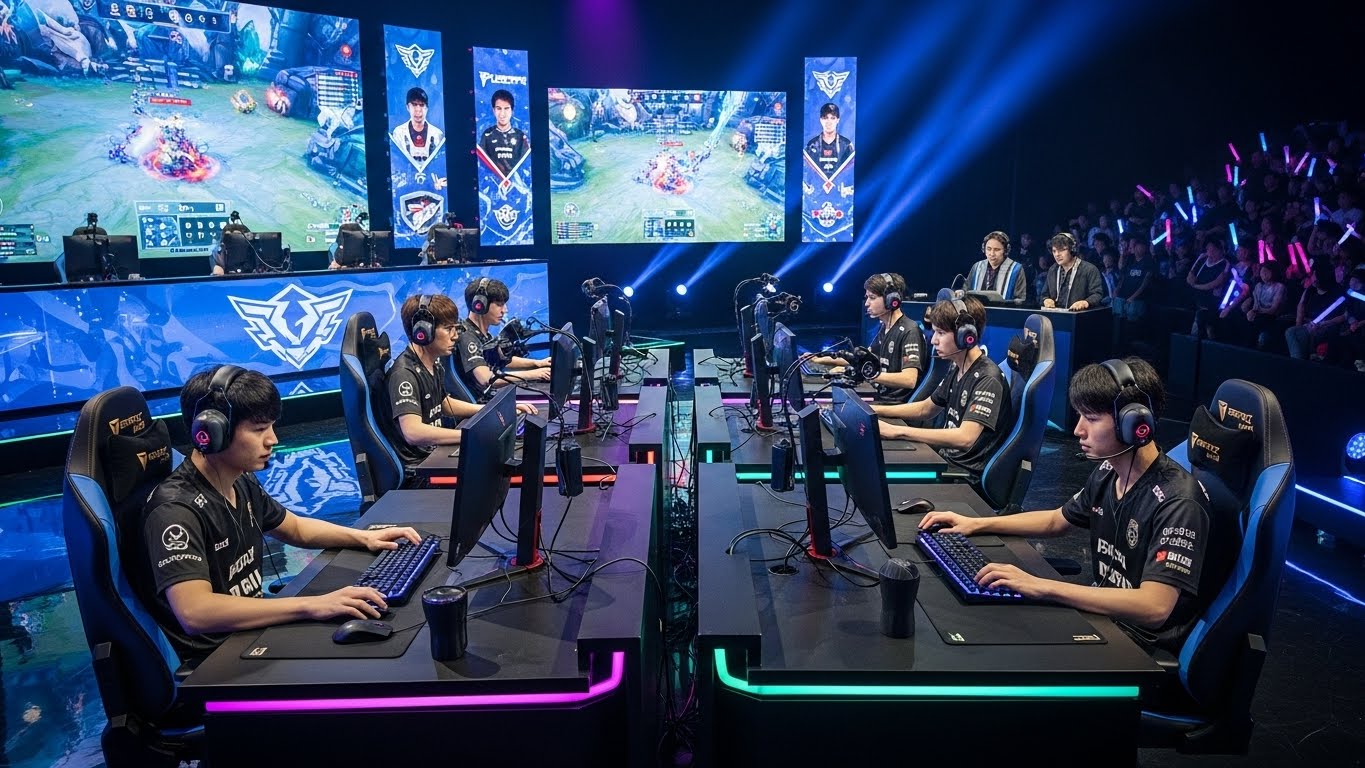
Professional players adopted full-time schedules, coaching teams, and analytical tools to improve performance. Esports titles like League of Legends, Dota 2, and Overwatch introduced seasonal tournaments, rankings, and international championships. This professionalization legitimized esports and helped it achieve mainstream recognition.
The Role of Technology in Esports Expansion
Esports thrives on technological innovation. High-speed internet, advanced gaming hardware, and powerful software platforms all contribute to its rapid growth.
Streaming technology in particular revolutionized the industry. Platforms that allow players to broadcast live gameplay created new opportunities for fans to engage with esports content. Viewers could now follow their favorite players, learn new strategies, and become part of global gaming communities.
Improved graphics, enhanced servers, and evolving game engines have also elevated the quality of esports competitions. Technology has made it possible to host global tournaments with players from different continents competing in real time without disruption.
Major Esports Titles That Shaped the Industry
Several games have played defining roles in the evolution of esports. Each title brought unique gameplay, massive fanbases, and strong competitive structures.
League of Legends
One of the most influential esports titles, known for its strategic depth and global tournaments that attract millions of viewers.
Dota 2
Famous for hosting some of the largest prize pools in esports history and fostering a dedicated competitive community.
Counter-Strike: Global Offensive
A cornerstone of team-based esports, emphasizing precision, coordination, and competitive skill.
Fortnite
A modern title that blended esports with entertainment, appealing to younger audiences and mainstream celebrities.
Valorant
A rising tactical shooter that combines modern mechanics with traditional competitive elements.
These games set standards for how competitive ecosystems are designed and managed.
Global Tournaments and Massive Prize Pools
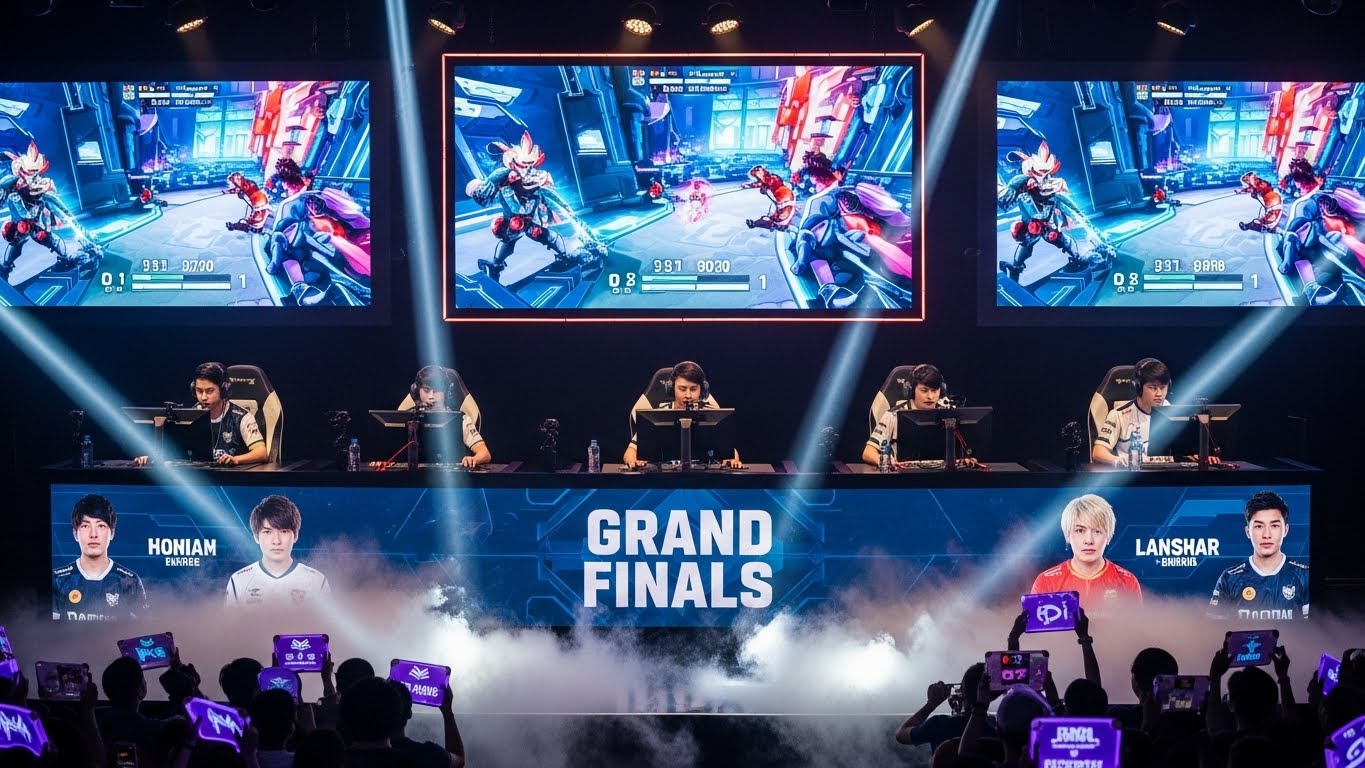
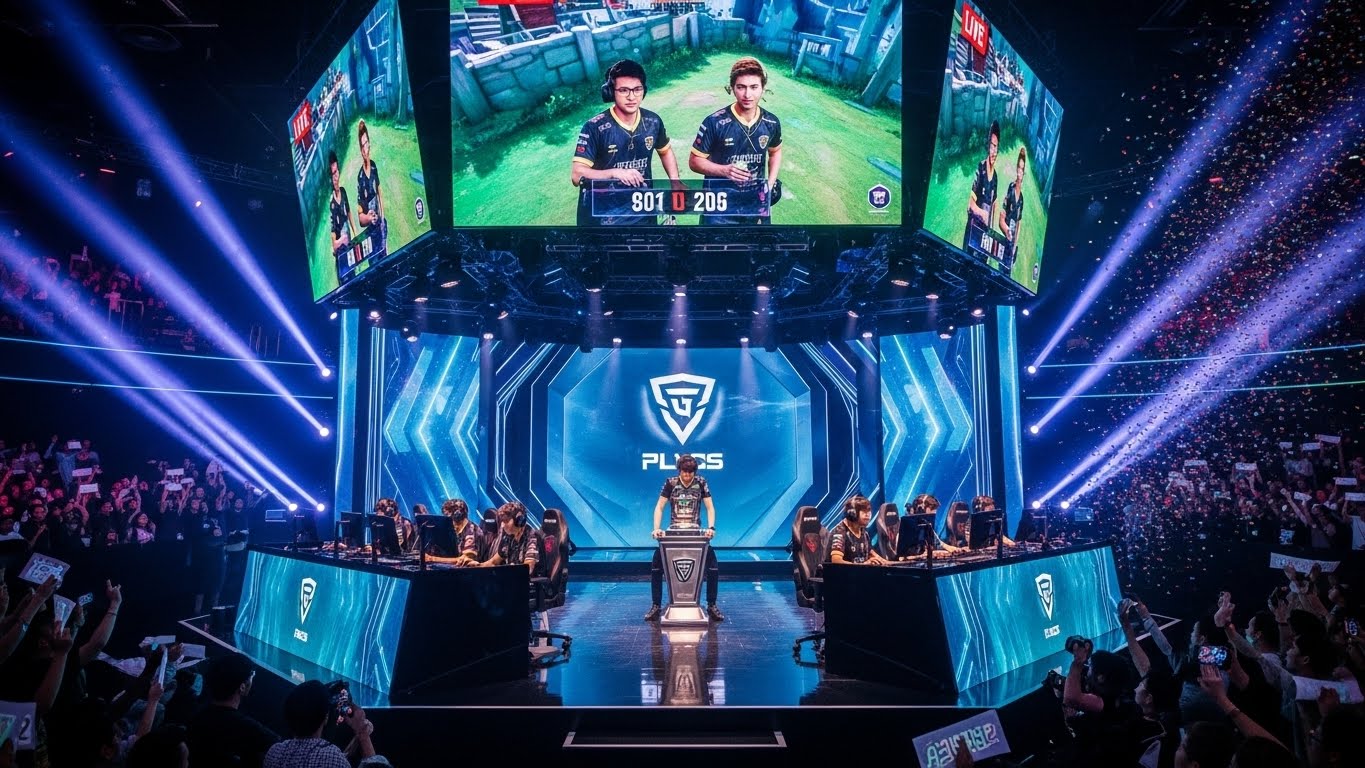
Today’s esports tournaments rival traditional sports events in scale. Some competitions fill stadiums with thousands of fans while millions watch from home. Prize pools continue to skyrocket, drawing attention to the industry’s financial potential.
International tournaments showcase the best teams and players in the world. Seasonal leagues ensure that competition stays fresh year-round. Fans follow teams the same way sports fans follow football or basketball teams, complete with merchandise, fan clubs, and rivalries.
The increasing financial support from sponsors, tech companies, and organizations has turned esports into a viable career for talented players.
The Cultivation of a Global Community
One of the most powerful aspects of esports is its ability to connect people. Esports communities are diverse, international, and passionate. Fans interact online, share content, join discussions, and support their favorite players with unmatched enthusiasm.
Esports bridges cultural and language barriers, allowing people from different backgrounds to unite through shared experiences. Gaming forums, social media groups, and digital communities foster friendships that extend beyond the screen.
Esports as a Career Path
For many young players, esports is not just entertainment but a career aspiration. Professional players can earn significant income through tournament winnings, team salaries, sponsorships, and content creation.
Beyond playing professionally, there are multiple career routes in the esports ecosystem, including:
- Coaching
- Game analysis
- Event management
- Commentary and hosting
- Content production
- Marketing and branding
- Game development
This diversity makes esports one of the most accessible and dynamic modern industries.
Collegiate Esports and Educational Opportunities
Universities worldwide now offer scholarships for esports players. Esports programs teach teamwork, leadership, strategic thinking, and technological literacy. Some institutions have even developed academic courses focused on gaming, esports management, and digital entertainment.
Educational programs help legitimize esports further, ensuring that younger generations can pursue both academic and gaming ambitions.
Challenges Facing the Esports Industry
Despite its success, esports faces several challenges that must be addressed for long-term stability.
Player Health
Professional players often train for long hours, which can lead to mental and physical strain. Maintaining healthy routines is crucial for performance.
Sustainability
Some esports organizations struggle with long-term financial stability, making sustainability an ongoing challenge.
Diversity and Inclusion
The industry is working toward creating more inclusive environments for players of all genders, backgrounds, and skill levels.
Regulation
As esports grows, governing bodies must ensure fair play, anti-cheating measures, and responsible management.
Addressing these challenges will determine how smoothly esports continues to scale.
The Influence of Entertainment and Media
Esports intersects with music, fashion, entertainment, and mainstream culture. Celebrity endorsements, collaborations with artists, and large-scale events have contributed to its popularity.
Music festivals, virtual concerts, and creative in-game events blur the lines between entertainment forms. Esports has become part of the modern digital lifestyle.
The Future of Esports
Esports is only at the beginning of its journey. With advancements in virtual reality, artificial intelligence, and interactive entertainment, the next decade promises transformative changes.
Future possibilities include:
- Expanded virtual arenas
- Enhanced player analytics
- More cross-platform competitions
- Greater mainstream integration
- Growth of mobile esports
- Increased investment and global presence
As technology evolves, esports will continue to push boundaries and inspire new forms of competition.
Conclusion: A Global Movement Redefining Competition
Esports is not just a trend—it is a cultural revolution that redefines how we play, compete, and connect. From grassroots tournaments to world-class championships, esports has grown into a massive global movement.
Its influence spans technology, entertainment, education, and international culture. As the digital era advances, the world of esports will only continue to expand, offering new opportunities, new communities, and new forms of competitive entertainment.
Whether you are a player, a fan, or simply an observer, the digital arena welcomes everyone.