Introduction: The Rise of a New Kind of Sport
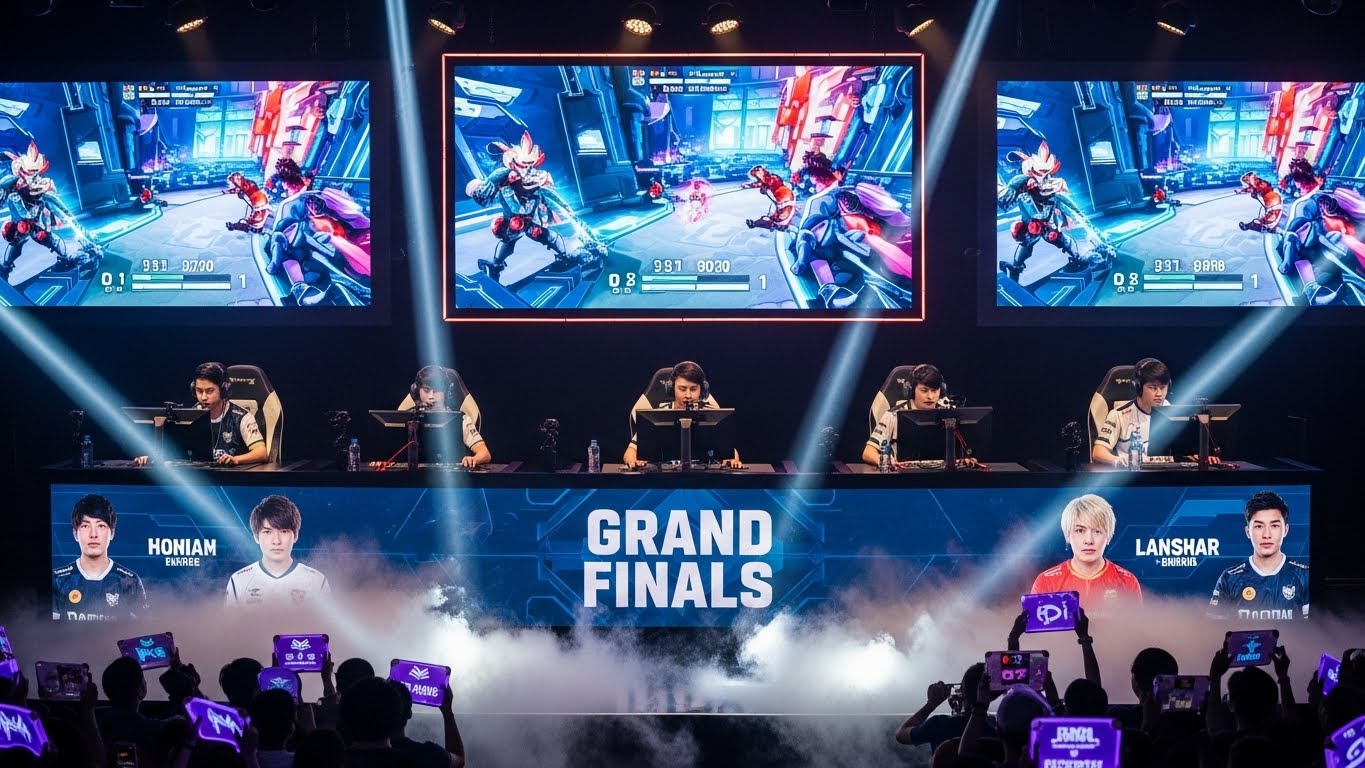
In the past, the word “sports” brought to mind images of stadiums, physical endurance, and traditional athletes. But as technology evolved, so did the definition of competition. The twenty-first century gave birth to a digital revolution in sports—esports, or electronic sports. What began as casual gaming competitions among friends has now grown into a multi-billion-dollar global industry, drawing audiences comparable to the biggest traditional sporting events. From sold-out arenas to millions of online viewers, esports is no longer just a hobby—it is a cultural phenomenon reshaping the landscape of entertainment, technology, and even education.
The Origins of Esports
The history of esports dates back farther than most people think. In the early 1970s, a group of computer enthusiasts at Stanford University organized the first known video game competition, featuring the game “Spacewar.” The prize was modest—a year’s subscription to a technology magazine—but the event planted the seed for what would become a global movement.
By the 1980s, arcade games like “Pac-Man” and “Donkey Kong” inspired competitive leaderboards, where players sought to achieve the highest scores. The 1990s brought home consoles and local tournaments, particularly in fighting and strategy games. With the rise of the internet, the 2000s opened the door for international online competitions. Titles like “StarCraft,” “Counter-Strike,” and “Warcraft III” built early competitive scenes, especially in South Korea, which quickly became a hub for professional gaming.
Esports Enters the Mainstream
Esports truly broke into mainstream culture during the 2010s. The emergence of live-streaming platforms allowed fans to watch players and tournaments from anywhere in the world. Major games such as “League of Legends,” “Dota 2,” “Overwatch,” and “Fortnite” transformed from simple entertainment into massive spectator sports.
Tournaments began offering multimillion-dollar prize pools, with players achieving celebrity status. The League of Legends World Championship, for example, has drawn viewership numbers comparable to the Super Bowl. Similarly, The International, Dota 2’s premier tournament, routinely offers prize pools exceeding tens of millions of dollars—crowdfunded by passionate fans.
What makes esports unique is its accessibility. Unlike traditional sports that require specific physical conditions or geographic opportunities, esports welcomes players from every corner of the world. All one needs is a gaming device, an internet connection, and the drive to compete.
The Structure of Professional Esports
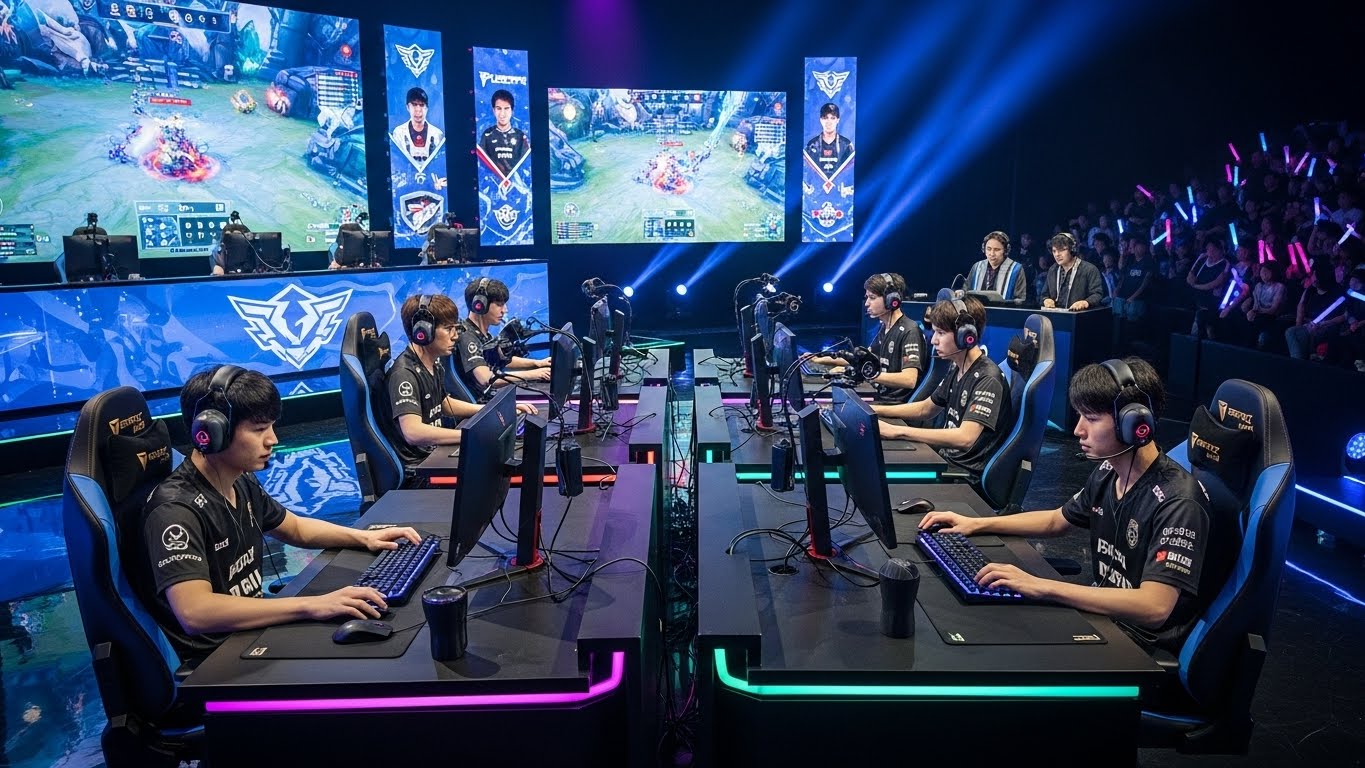
Professional esports follows a structure similar to traditional sports. Teams and players participate in leagues, tournaments, and championships. Each game has its own ecosystem—its rules, governing bodies, and professional circuits.
Organizations such as Team Liquid, Cloud9, T1, and Fnatic have become household names among gaming communities. They recruit talent, manage sponsorships, and operate like professional sports franchises. Players sign contracts, have coaches, analysts, and support staff, and follow strict training routines.
The competition format varies from game to game. Some games operate on seasonal leagues, while others focus on independent tournaments. The players’ performance determines their ranking, earnings, and reputation within the esports hierarchy.
The Role of Technology in Esports Expansion
Technology lies at the heart of esports’ success. High-speed internet, advanced graphics, and powerful gaming hardware have transformed how games are played and viewed. Streaming platforms made it possible for millions to tune in simultaneously, with chat features allowing real-time engagement between players and fans.
Virtual reality and augmented reality are also beginning to make their mark, promising more immersive gaming experiences. Cloud gaming has made esports more accessible, removing the need for expensive hardware. Artificial intelligence is even used in training programs, analyzing player behavior to improve performance.
Furthermore, the growth of mobile gaming has expanded esports to an entirely new demographic. Titles like “PUBG Mobile,” “Mobile Legends,” and “Free Fire” have dominated competitive scenes in regions like South Asia and Latin America, bringing millions of new fans into the fold.
The Business of Esports
Esports is not just about gaming—it is big business. Revenue comes from multiple streams: sponsorships, media rights, advertising, merchandise, and ticket sales. Major corporations have invested heavily, recognizing esports as a gateway to younger audiences.
Brands once unrelated to gaming—such as car manufacturers, energy drink companies, and even financial institutions—have become regular sponsors of esports teams and events. These partnerships have legitimized esports as a professional industry and helped players earn stable incomes.
Moreover, the rise of esports betting and fantasy leagues mirrors developments in traditional sports, adding another layer of economic activity. Universities and colleges are even offering scholarships for esports athletes, recognizing the career opportunities that the industry presents.
Esports and Education
One of the most fascinating developments in the esports world is its integration into education. Schools and universities across the globe are beginning to see gaming as a tool for learning, teamwork, and career development. Esports teaches valuable skills such as strategic thinking, communication, leadership, and digital literacy.
Some institutions have established dedicated esports programs, complete with professional coaching, broadcasting equipment, and arenas. Students not only compete but also learn about event management, marketing, and game design. This educational shift reflects a broader understanding of esports as part of the modern digital economy.
The Psychological and Physical Side of Esports
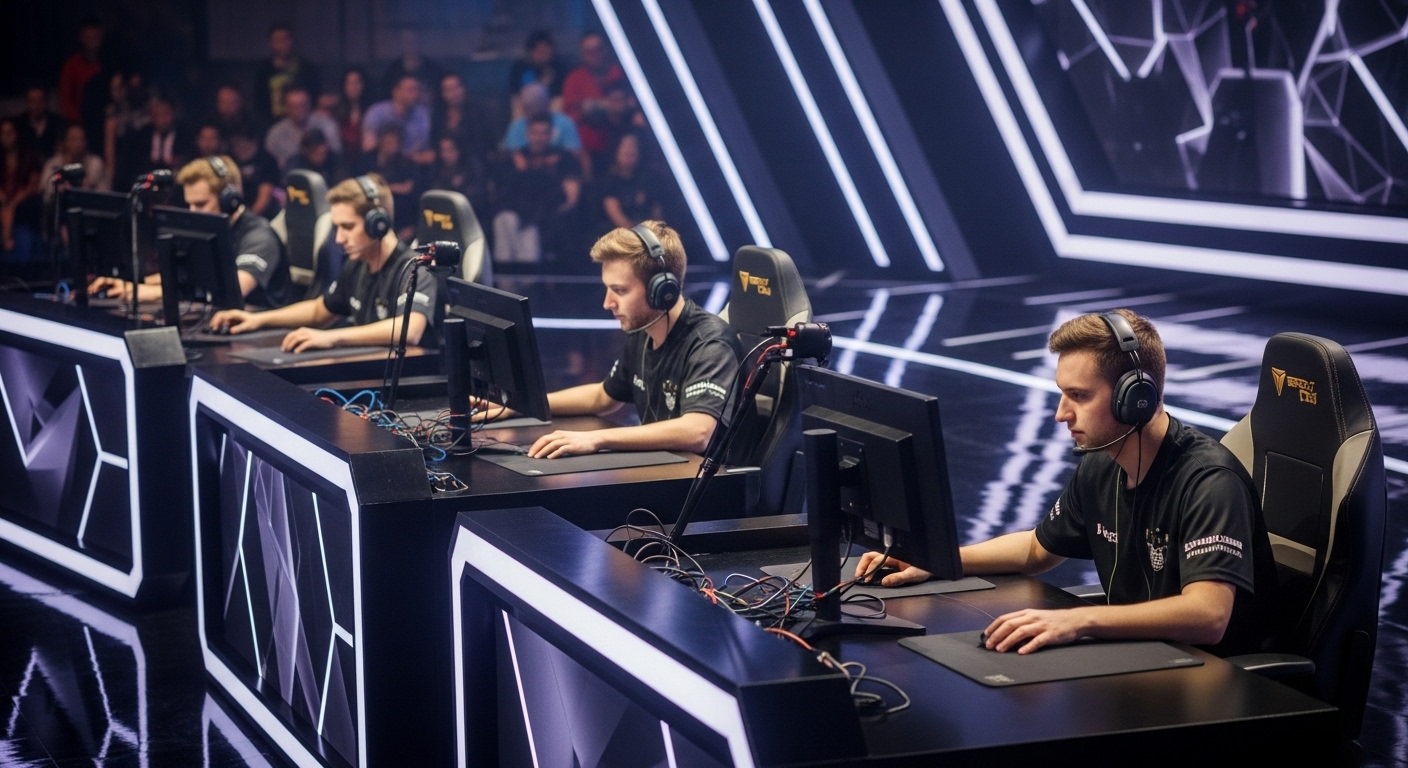
While esports may not require the same physical exertion as traditional sports, it demands remarkable mental strength and precision. Professional players must train for hours daily, developing reaction times, concentration, and teamwork under high pressure.
However, this lifestyle also brings challenges. Long hours in front of screens can lead to physical strain and mental burnout. The industry has responded with improved player welfare programs, emphasizing physical exercise, nutrition, and mental health support. Coaches and psychologists now play vital roles in maintaining player balance and performance.
Just as athletes in traditional sports need to maintain physical health, esports players are learning that mental resilience and balanced living are essential to long-term success.
Esports as a Cultural Movement
Beyond the competitive arena, esports has become a cultural movement that connects people globally. Fans create communities, share fan art, and discuss strategies across countless online forums. Cosplay, music performances, and interactive fan events have become integral parts of major tournaments.
Esports celebrities are now influencers, shaping gaming trends, fashion, and even language. Livestreaming has blurred the line between players and audiences, creating a sense of connection that traditional sports rarely achieve.
This digital culture has also encouraged inclusivity. Esports communities are becoming more diverse, with increasing representation of women, differently-abled gamers, and players from underrepresented regions. The growing emphasis on diversity is making esports a more welcoming and universal platform.
Challenges Facing the Esports Industry
Despite its rapid growth, esports faces several challenges. Issues such as player burnout, lack of regulation, and unstable tournament structures have been recurring problems. Additionally, cheating, match-fixing, and doping scandals have occasionally threatened the credibility of the industry.
Another major challenge is sustainability. Unlike traditional sports governed by associations, esports titles are owned by private companies. This creates dependence on game publishers, who control rules, formats, and prize structures. If a publisher decides to discontinue support for a game, an entire esports ecosystem can vanish overnight.
Nevertheless, the industry is learning to adapt. Efforts are being made to establish international regulatory bodies and players’ associations to ensure fairness, transparency, and stability.
The Future of Esports
The future of esports looks brighter than ever. Analysts predict that viewership and revenue will continue to grow exponentially in the coming decade. The integration of technologies like 5G, VR, and AI will make the experience even more immersive.
Esports could also become an official part of major sporting events. It has already been featured as a demonstration event in the Asian Games and is on track to gain wider recognition globally. Governments and sports councils are beginning to invest in esports infrastructure, further solidifying its status as a legitimate sport.
In the near future, we may see virtual stadiums where fans can attend matches using VR headsets, interact with their favorite players, and experience the thrill of competition in entirely new ways.
Conclusion: The Power of the Digital Arena
Esports has evolved from small gatherings of gamers into a global entertainment powerhouse. It is more than just competition—it is creativity, community, and connection. The digital arena has redefined what it means to be an athlete, a fan, and a spectator in the modern world.
In a society driven by technology, esports represents the perfect blend of human skill and digital innovation. It has become a symbol of how entertainment evolves with culture, and how passion can turn pixels into dreams. Whether you are a player, a fan, or an observer, one thing is certain—the world of esports is here to stay, and its journey has only just begun.