Introduction: The Rise of Esports
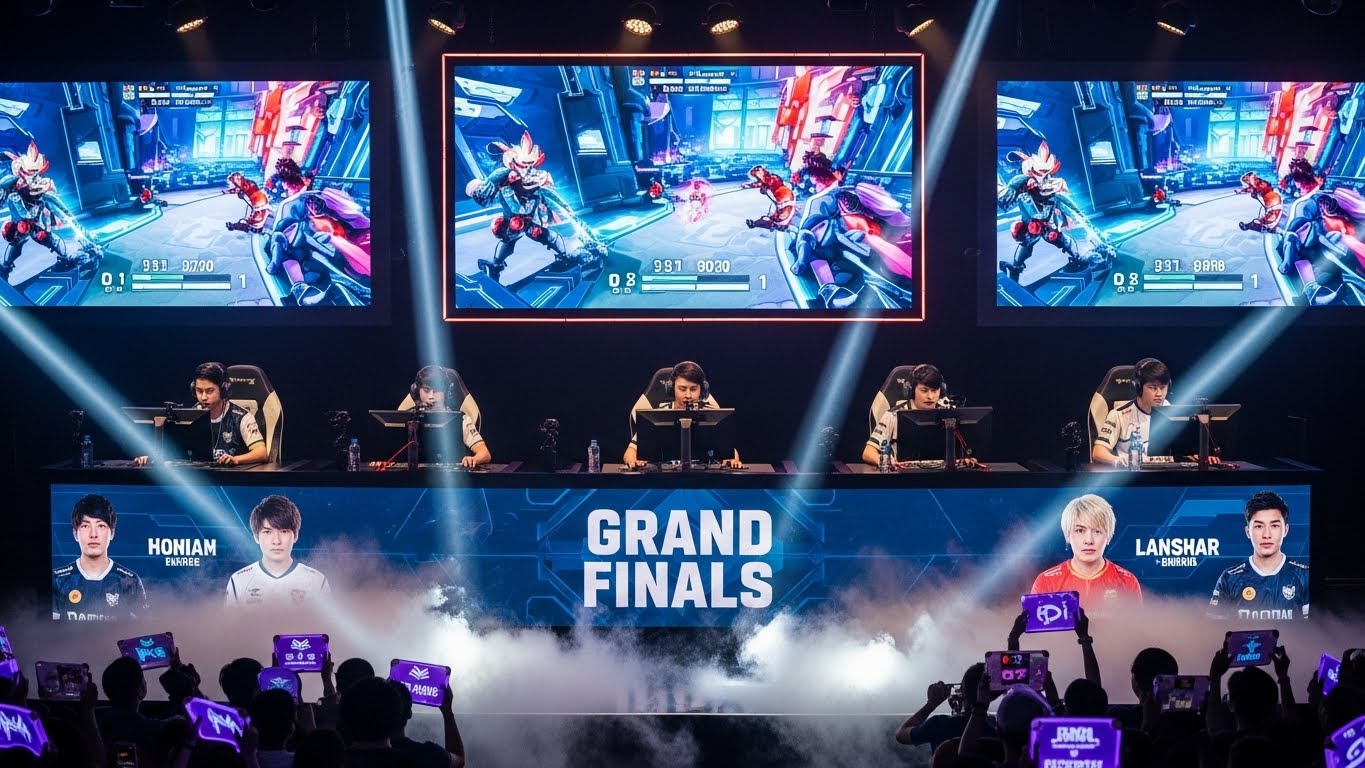
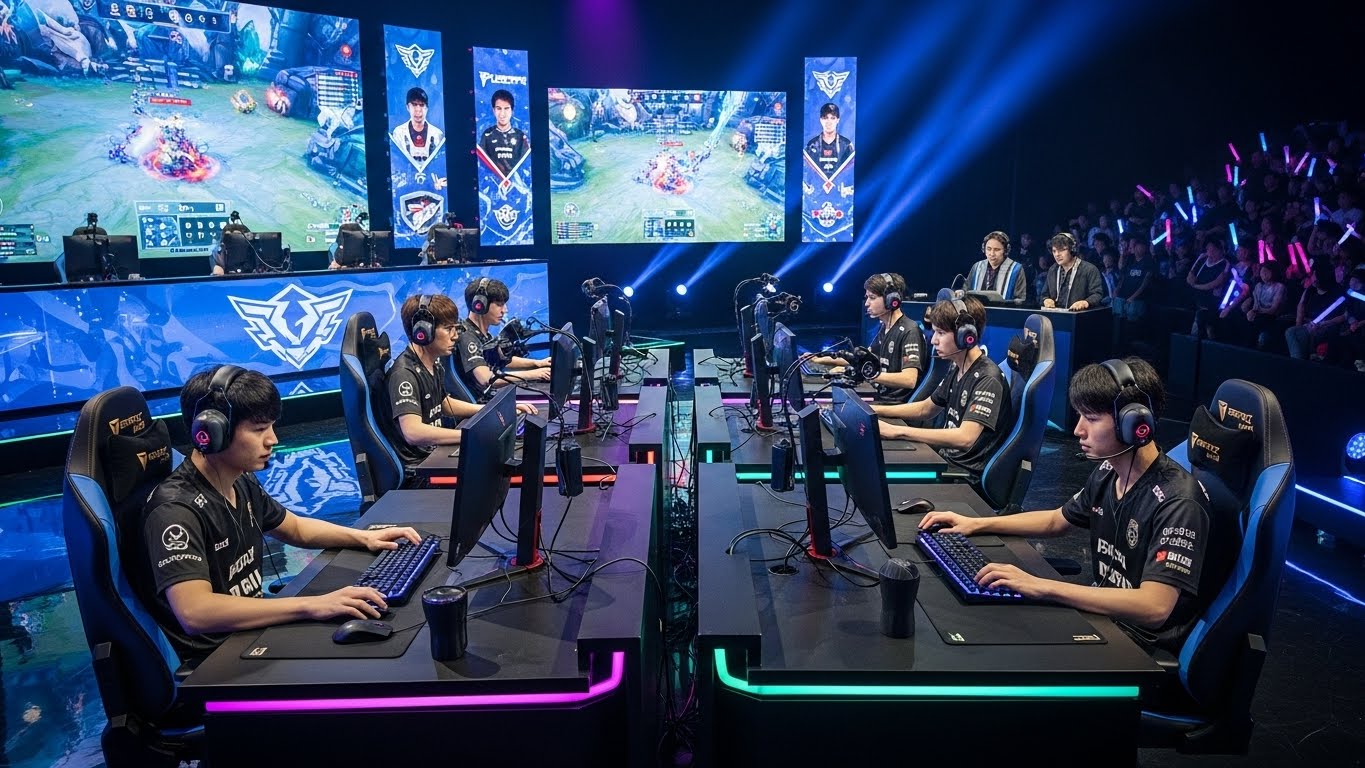
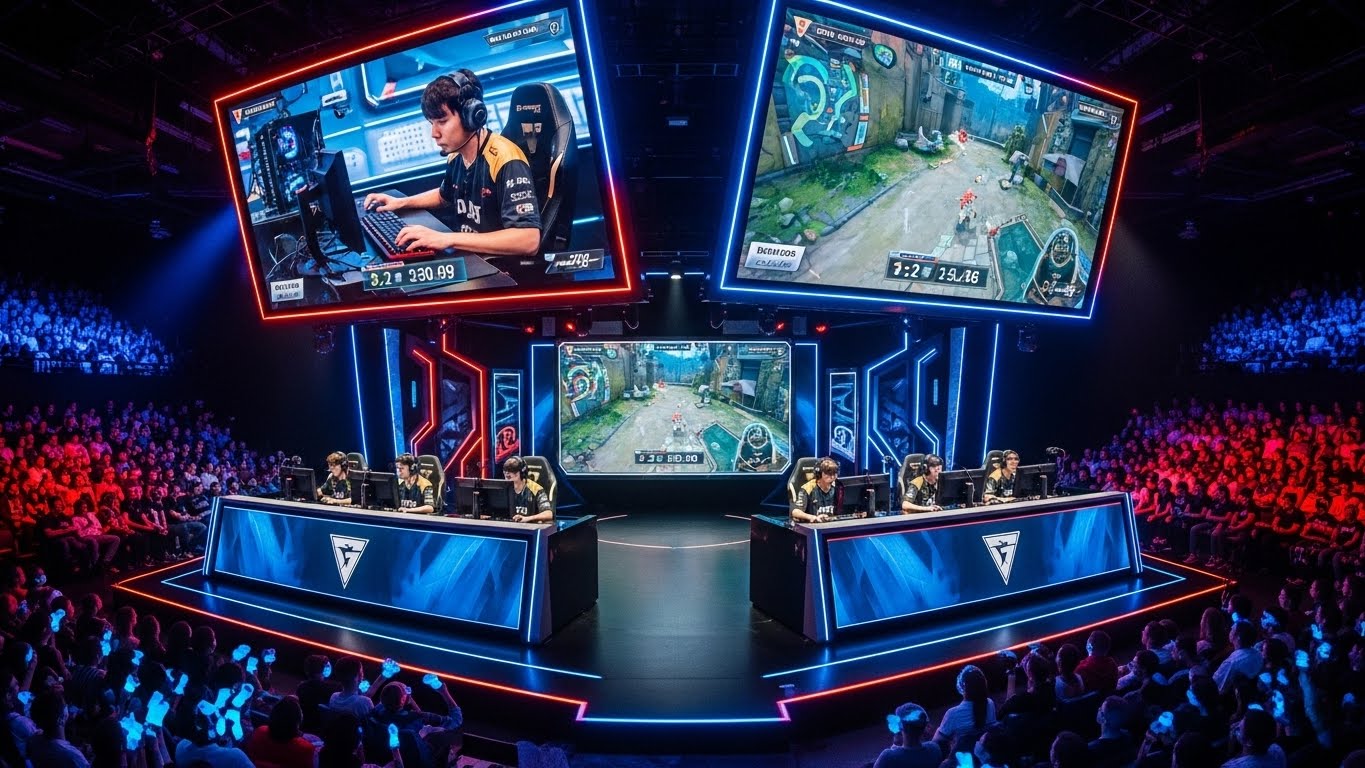
Esports, or competitive video gaming, has evolved from a niche hobby into a global phenomenon. What began as casual competitions among friends has transformed into an industry attracting millions of players, spectators, and investors worldwide. Today, esports combines skill, strategy, teamwork, and entertainment, creating a unique form of competition that transcends traditional sports. Its growth has been fueled by advances in technology, the proliferation of online platforms, and the rise of professional leagues. This blog explores the world of esports, its evolution, impact, and the reasons why it has captured the imagination of a generation.
The History and Evolution of Esports
The roots of esports trace back to the late 1970s and 1980s when early video game tournaments attracted local attention. Games like Space Invaders, Pac-Man, and Street Fighter brought competitive play to arcades, while personal computers enabled organized competitions. The 1990s and early 2000s saw the emergence of online multiplayer games like StarCraft and Counter-Strike, which introduced global competition. With the rise of streaming platforms in the 2010s, esports exploded in popularity, allowing players and audiences to connect across borders. Today, esports has professional leagues, sponsored teams, and tournaments offering multi-million-dollar prize pools, firmly establishing itself as a mainstream form of entertainment.
Popular Esports Genres and Games
Esports encompasses a wide variety of genres, each with unique gameplay and strategic requirements. Multiplayer online battle arenas, or MOBAs, such as League of Legends and Dota 2, emphasize teamwork, strategy, and real-time decision-making. First-person shooters like Counter-Strike, Call of Duty, and Overwatch require precision, reflexes, and tactical coordination. Battle royale games, including Fortnite and PUBG, combine survival, strategy, and rapid adaptation to changing scenarios. Sports simulation games like FIFA and NBA 2K replicate traditional athletic competition in a digital format. Each genre attracts distinct audiences and professional players, reflecting the diversity and complexity of the esports ecosystem.
The Professionalization of Esports
Esports has transformed from casual competition to a professional career path. Professional players dedicate hours to training, strategy analysis, and skill refinement. Teams are supported by coaches, analysts, nutritionists, and psychologists to maximize performance. Major tournaments, such as The International for Dota 2 or the League of Legends World Championship, offer substantial prize pools, sponsorship opportunities, and global recognition. Esports organizations operate like traditional sports franchises, managing players, branding, marketing, and fan engagement. This professionalization has legitimized esports as a serious discipline requiring talent, dedication, and strategic thinking.
Esports as a Global Entertainment Industry
Esports is not only about competition—it is a form of entertainment. Tournaments are broadcast to millions via streaming platforms, television, and social media, often with commentary, analysis, and behind-the-scenes content. Fans engage with players through live chats, fan art, and social media, creating vibrant communities. The entertainment aspect of esports also includes content creation, such as highlight reels, tutorials, and lifestyle videos featuring professional players. Esports blends competition with storytelling, personalities, and fan engagement, making it a dynamic and immersive form of entertainment.
The Role of Technology in Esports
Technology is the backbone of esports. High-performance computers, gaming consoles, and peripherals ensure smooth gameplay and precise control. Streaming platforms allow real-time broadcasting to global audiences. Data analytics track player performance, strategies, and in-game statistics, helping teams refine tactics. Virtual reality and augmented reality are beginning to influence competitive gaming, offering immersive experiences for players and spectators. Technology not only enables esports but also drives its evolution, enhancing gameplay, fan engagement, and professional development.
Esports Training and Skill Development
Success in esports requires more than reflexes; it demands strategy, teamwork, and continuous practice. Professional players undergo rigorous training schedules that include skill drills, strategy sessions, and mental conditioning. Esports requires problem-solving, communication, and adaptability under pressure. Many players start young, developing hand-eye coordination, reaction time, and multitasking abilities. Beyond gaming skills, esports also cultivates discipline, focus, and perseverance, highlighting its role as a platform for personal growth and skill development.
The Social and Community Impact of Esports
Esports fosters social interaction and community building. Online tournaments and multiplayer games create spaces for collaboration, competition, and friendship. Fans participate in forums, fan clubs, and online communities where they share strategies, highlights, and experiences. Events like live tournaments create shared experiences for attendees, promoting camaraderie and connection. Esports communities transcend geographic and cultural boundaries, providing a sense of belonging and social engagement for players and fans worldwide.
Esports and Education
Educational institutions are recognizing esports as a legitimate activity that develops cognitive and social skills. Universities and colleges offer esports scholarships, team programs, and academic courses in game design, strategy, and digital media. Participation in esports enhances critical thinking, problem-solving, and teamwork. Students gain experience in time management, communication, and strategic planning. By integrating esports into education, institutions provide new avenues for skill development, career preparation, and personal growth, bridging the gap between gaming and academic achievement.
Esports and Mental Health
While esports provides numerous benefits, it also raises considerations regarding mental health. Professional players face pressure, intense schedules, and high expectations. Maintaining mental health is crucial for performance and well-being. Many teams employ psychologists, encourage breaks, and promote healthy lifestyle habits. Recreational esports can also help reduce stress, build social connections, and improve focus when played responsibly. Recognizing the importance of balance ensures that esports remains a positive and sustainable pursuit for both professionals and enthusiasts.
The Economic Impact of Esports
Esports is a rapidly growing economic sector. Revenue is generated through sponsorships, merchandise, streaming platforms, advertising, and tournament prize pools. Professional players earn income through team contracts, endorsements, and content creation. The industry also creates jobs in coaching, production, marketing, broadcasting, and analytics. Major tournaments attract tourism, media attention, and investment, contributing to local and global economies. Esports demonstrates that digital competition is not only entertainment but also a powerful economic engine.
Esports and Inclusivity
Esports has the potential to be more inclusive than traditional sports. Players of varying ages, genders, and physical abilities can participate on equal footing. Adaptive technologies and accessible platforms allow differently-abled individuals to compete, fostering diversity and representation. Women’s esports leagues and tournaments are gaining recognition, challenging gender barriers in the industry. By prioritizing inclusivity, esports creates opportunities for broader participation, emphasizing talent and skill over physical attributes.
The Future of Esports
The future of esports is poised for continued growth, innovation, and global influence. Emerging technologies, such as virtual reality, artificial intelligence, and cloud gaming, will enhance player experience and fan engagement. Esports may integrate further with mainstream sports, entertainment, and education. International tournaments will continue to expand, attracting new audiences and fostering cross-cultural collaboration. As the industry matures, esports will likely become a central pillar of digital entertainment, offering new career paths, innovative experiences, and a platform for global connection.
Conclusion: Esports as a Cultural and Competitive Force
Esports has redefined the meaning of competition and entertainment in the digital age. It blends skill, strategy, technology, and social interaction into a global phenomenon that captivates millions. Beyond the games themselves, esports fosters community, personal growth, and professional opportunity. It reflects the evolving nature of play, creativity, and competition, bridging cultures and generations. As esports continues to grow and innovate, it stands as a testament to the transformative power of technology and the enduring human desire for challenge, achievement, and connection.