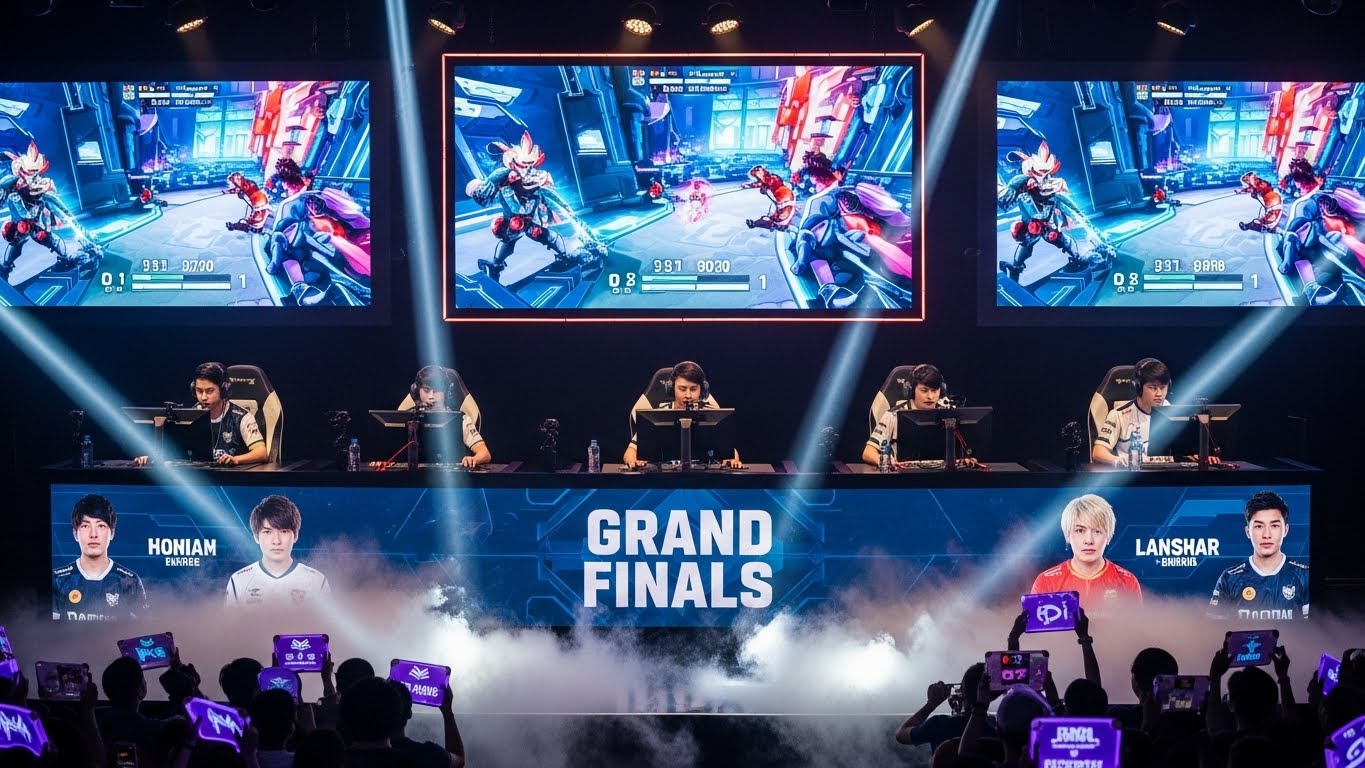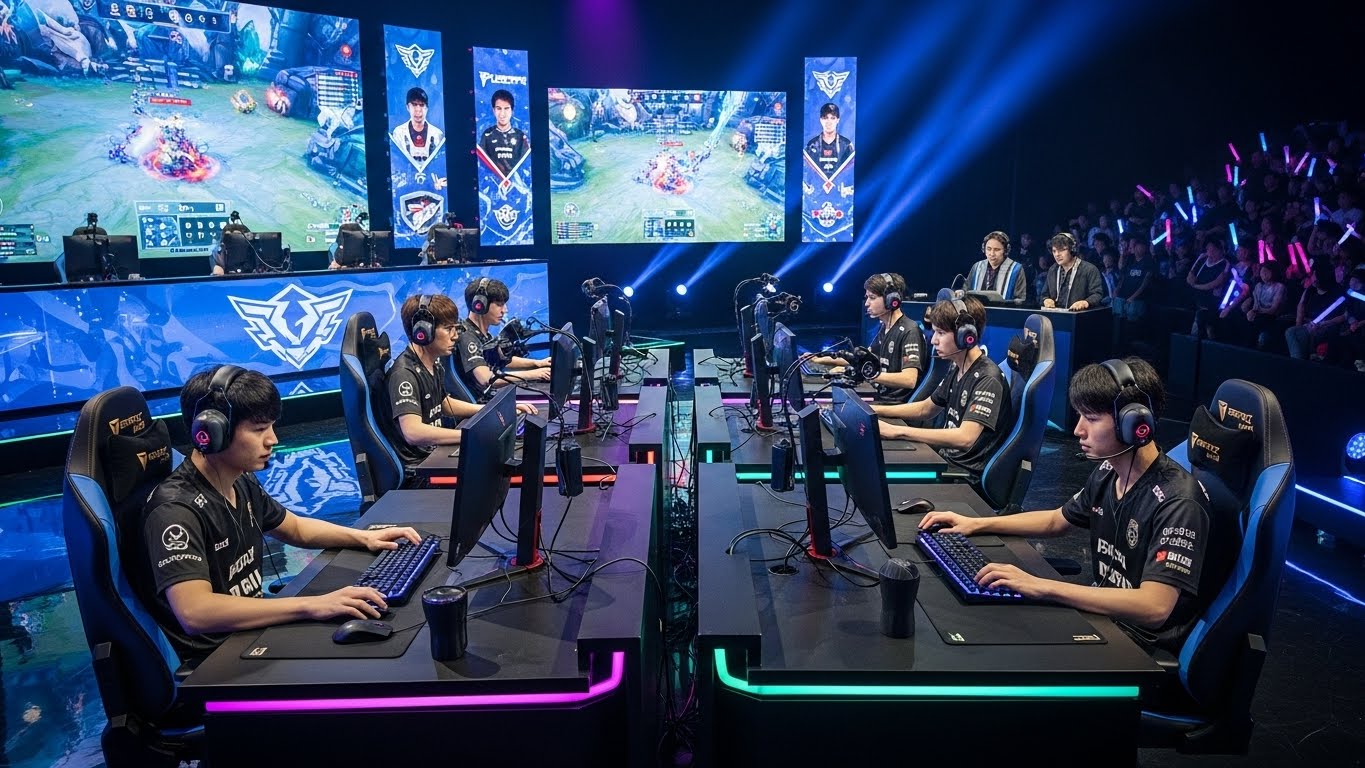
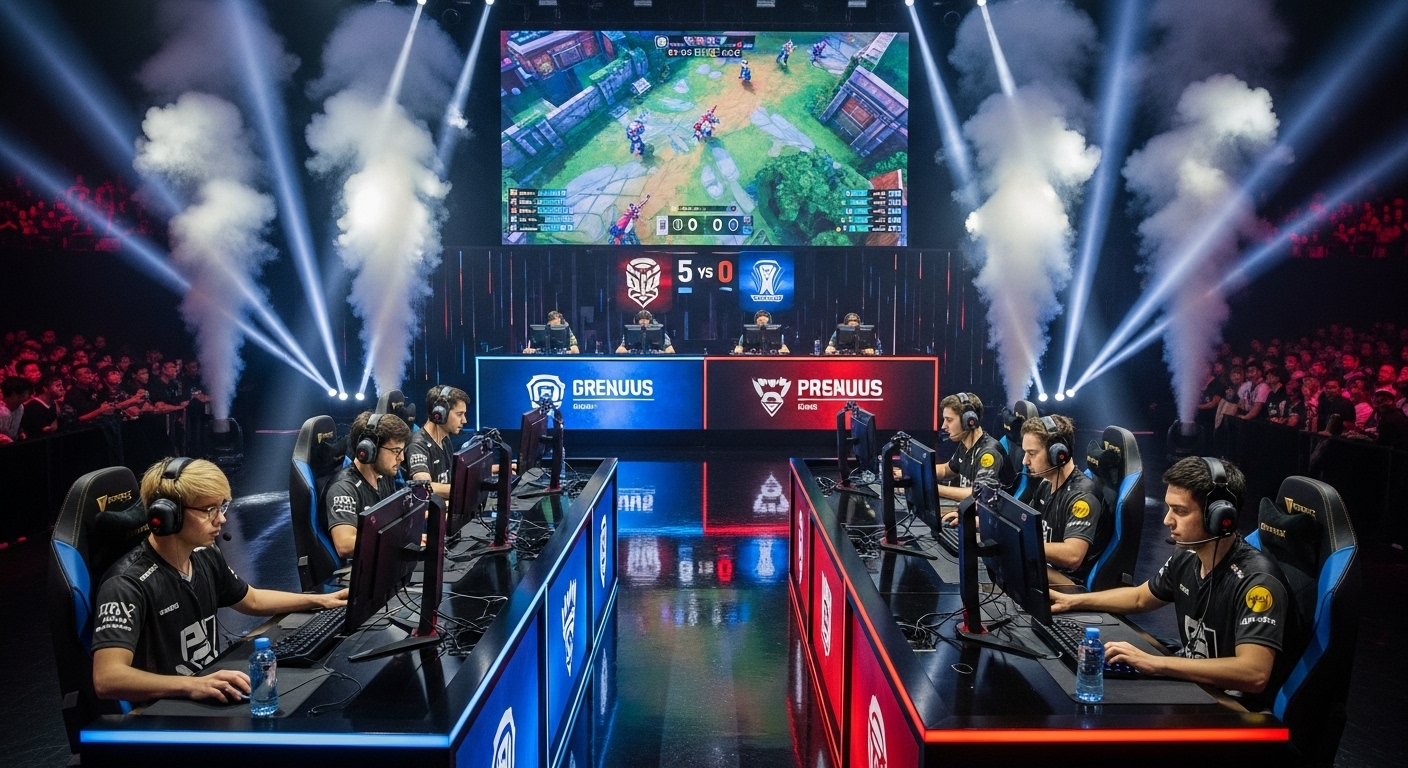
Over the past few decades, eSports has evolved from a niche hobby to a global phenomenon, revolutionizing the way we think about both gaming and competitive sports. Today, eSports is more than just a subculture—it’s a billion-dollar industry, with professional players, massive tournaments, and a dedicated fanbase spanning continents. Whether you’re a gamer or someone just curious about this exciting world, this blog will dive into the history, growth, cultural impact, and future of eSports.
What is eSports?
At its core, eSports refers to competitive video gaming, where individuals or teams compete against each other in various video game genres for money, prestige, and glory. Unlike casual gaming, eSports involves high-level, professional play and is often organized into tournaments, leagues, and seasons.
The games played in eSports span a wide range of genres, including real-time strategy (RTS), first-person shooters (FPS), multiplayer online battle arena (MOBA) games, and even sports simulations. Some of the most popular eSports titles include League of Legends, Dota 2, Counter-Strike: Global Offensive (CS:GO), Overwatch, Fortnite, and FIFA. These games feature intense competition, where players need to demonstrate not only individual skill but also teamwork, strategy, and adaptability.
The scale of eSports events has expanded dramatically, with tournaments attracting millions of viewers both in-person and online. What was once a small, grassroots community has transformed into a global industry that rivals traditional sports in terms of viewership, sponsorship, and revenue.
The Origins of eSports: From Arcade Competitions to Professional Leagues
The roots of eSports can be traced back to the early days of video gaming. While the modern form of competitive gaming emerged in the late 1990s, competitive play has existed since the very first arcade games. Space Invaders, released in 1978, is widely regarded as one of the first competitive video games, as it hosted one of the earliest public gaming tournaments. However, it wasn’t until the 1990s that eSports began to take shape as a recognizable entity.
The development of multiplayer online games in the 1990s, particularly with the advent of broadband internet, helped fuel the rise of online gaming communities. One of the first major eSports events was the Red Annihilation tournament held in 1997 for the popular first-person shooter Quake. The tournament attracted thousands of players from around the world and set the stage for the organized competitions that would follow.
As technology continued to advance, so did the scope of competitive gaming. In the early 2000s, companies like Blizzard Entertainment and Valve Corporation introduced titles like StarCraft and Counter-Strike—games that would become foundational to the eSports ecosystem. These games not only encouraged skill-based competition but also introduced team-based play, which became a hallmark of modern eSports.
In 2000, the Cyberathlete Professional League (CPL) was founded, holding the first major eSports tournaments for games like Quake III Arena. This was followed by the creation of the World Cyber Games (WCG) in 2000 and the Electronic Sports World Cup (ESWC) in 2003, which helped to further legitimize competitive gaming as a global phenomenon.
The Golden Age of eSports: The Rise of Streaming and Professional Leagues
The real explosion of eSports took place in the late 2000s and early 2010s, largely due to the rise of streaming platforms like Twitch. Before this era, eSports tournaments were typically broadcast on cable or satellite TV in niche markets. However, streaming technology allowed fans to watch live competitions from the comfort of their homes, creating a more interactive and globalized gaming culture.
Twitch, founded in 2011, was a game-changer. It allowed anyone with a computer and an internet connection to stream gameplay and interact with fans in real-time. This brought eSports into the mainstream, as viewers could not only watch professional players in action but also participate in communities built around specific games, teams, or players.
The rise of platforms like Twitch also contributed to the financial growth of eSports. Sponsorships, merchandise sales, and advertising began to pour in as companies saw the potential of reaching millions of engaged viewers. By the mid-2010s, major brands—ranging from technology giants like Intel and Nvidia to non-endemic sponsors such as Coca-Cola and Red Bull—started to invest heavily in eSports.
The professionalization of eSports also reached new heights, with the establishment of major eSports leagues such as the League of Legends Championship Series (LCS) and Overwatch League (OWL). These leagues not only provided a structured, team-based approach to competitive gaming but also included salaries, contracts, and sponsorships for players—similar to traditional sports.
In addition, live events like The International (the annual Dota 2 tournament) and League of Legends World Championship attracted millions of viewers and offered multi-million-dollar prize pools, making eSports a viable career path for top players.
eSports Tournaments: The Heartbeat of the Industry
Tournaments are the centerpiece of the eSports world, where the best players and teams from around the world compete for massive prizes, fame, and glory. Some of the most well-known eSports tournaments include The International, League of Legends World Championship, Intel Extreme Masters, and BLAST Premier. These events have grown in scale, with live broadcasts reaching millions of viewers on platforms like Twitch, YouTube, and Facebook.
The International, the premier tournament for Dota 2, is particularly famous for its enormous prize pool, which has reached over $40 million in recent years. This massive funding comes from the gaming community itself, through in-game purchases and crowd-sourcing initiatives. The tournament draws hundreds of professional teams from around the world to compete for a share of the prize money, while also providing a platform for emerging talent to showcase their skills on the world stage.
The League of Legends World Championship is another iconic event in the eSports calendar. Each year, the best League of Legends teams battle for the title, with the tournament culminating in a grand final that is watched by millions of fans across the globe. These tournaments are not just about the games—they are massive cultural events, with live performances, elaborate production values, and massive fan engagement both online and in the arena.
In addition to major global tournaments, regional leagues have sprouted up around the world, offering a steady stream of competitive gaming for both fans and players. The Overwatch League, for instance, features teams representing cities around the world, mimicking the structure of traditional sports leagues like the NFL or NBA.
The Growing eSports Ecosystem: Teams, Sponsors, and Players
One of the most significant changes in eSports over the past decade has been the rise of professional teams. Many of the best eSports players today are part of teams that train together, participate in league matches, and represent their organizations at tournaments. These teams operate much like traditional sports teams, with coaches, analysts, and even psychologists helping players optimize their performance.
Major eSports organizations like Cloud9, Team Liquid, and G2 Esports have become household names within the gaming community. These organizations sign talented players to long-term contracts, providing them with the resources they need to train and compete at the highest level. The success of these teams is often fueled by sponsorships from both gaming companies and non-gaming brands, as eSports sponsorships continue to skyrocket.
One of the most exciting developments in eSports is the emergence of celebrity players. Top players such as Faker (Lee Sang-hyeok), s1mple (Oleksandr Kostyliev), and Ninja (Tyler Blevins) have become global stars, amassing millions of followers and securing endorsement deals with companies ranging from Audi to Adidas. These players are not just athletes in the traditional sense—they are digital celebrities, often making millions of dollars through streaming, sponsorships, and tournament earnings.
The Cultural Impact of eSports: Changing the Gaming Landscape
eSports has also had a profound impact on gaming culture itself. Competitive gaming has shifted the narrative from gaming as a solitary activity to a team-oriented, spectator-friendly spectacle. Today, people gather in arenas or watch online to cheer for their favorite players and teams, just like fans of traditional sports.
Moreover, the inclusion of eSports in major international events such as the Asian Games and discussions about its potential inclusion in the Olympics signify the increasing recognition of eSports as a legitimate form of competition. These developments suggest that eSports is not just a passing trend but a fixture of modern entertainment culture.
The rise of eSports has also given rise to a unique and vibrant community. Online platforms, social media, and fan forums have created spaces for passionate fans to interact, share content, and engage with their favorite teams and players. This sense of community has fostered an inclusive and global environment where people from all walks of life can come together to celebrate their love of gaming.
The Future of eSports: Endless Possibilities
As the eSports industry continues to grow, the future looks incredibly promising. With the rise of new technologies like virtual reality (VR) and augmented reality (AR), we can expect even more immersive and interactive experiences for both players and spectators. The integration of these technologies could revolutionize how tournaments are held and how viewers interact with the action.
Moreover, the financial prospects for eSports are expanding rapidly. With the growing popularity of streaming platforms, sponsorships, and advertising, eSports is on track to become a multi-billion-dollar industry. The potential for gaming to become as mainstream as traditional sports is now within reach.