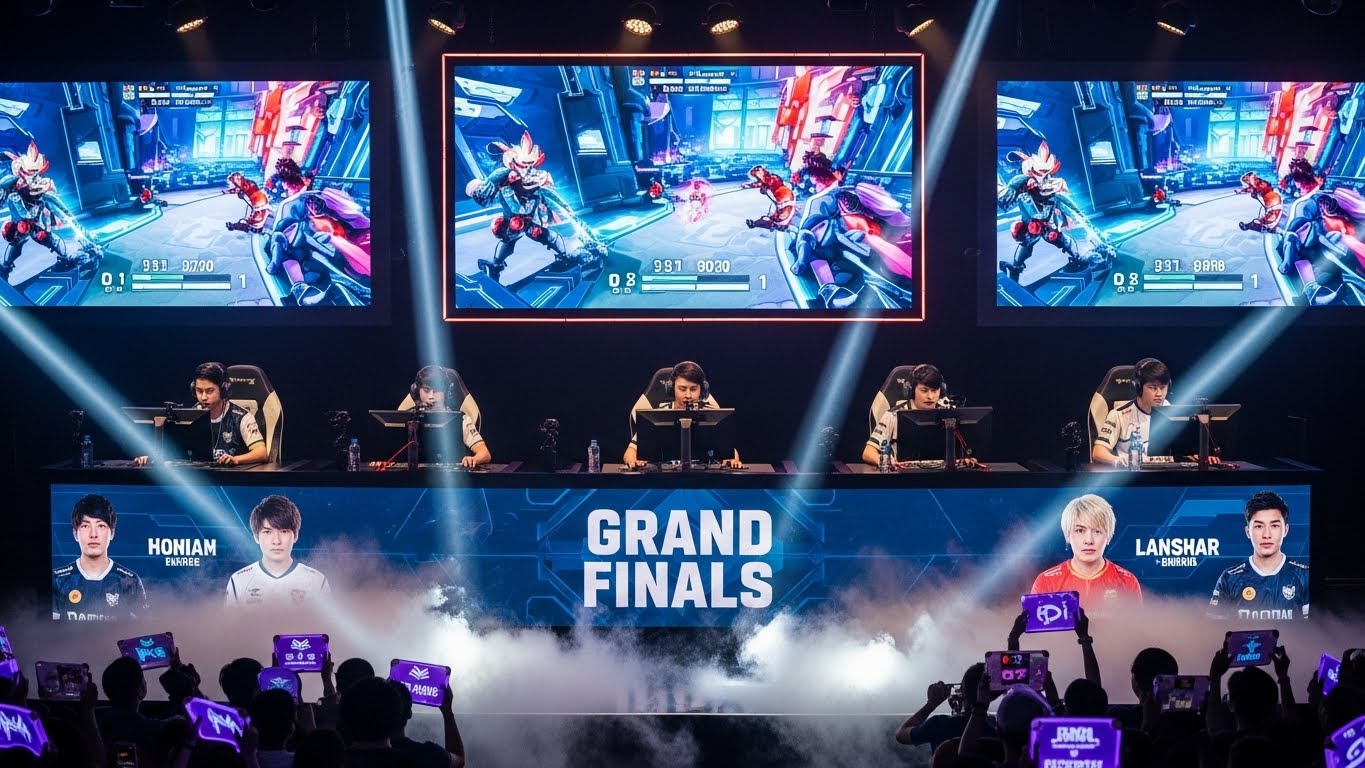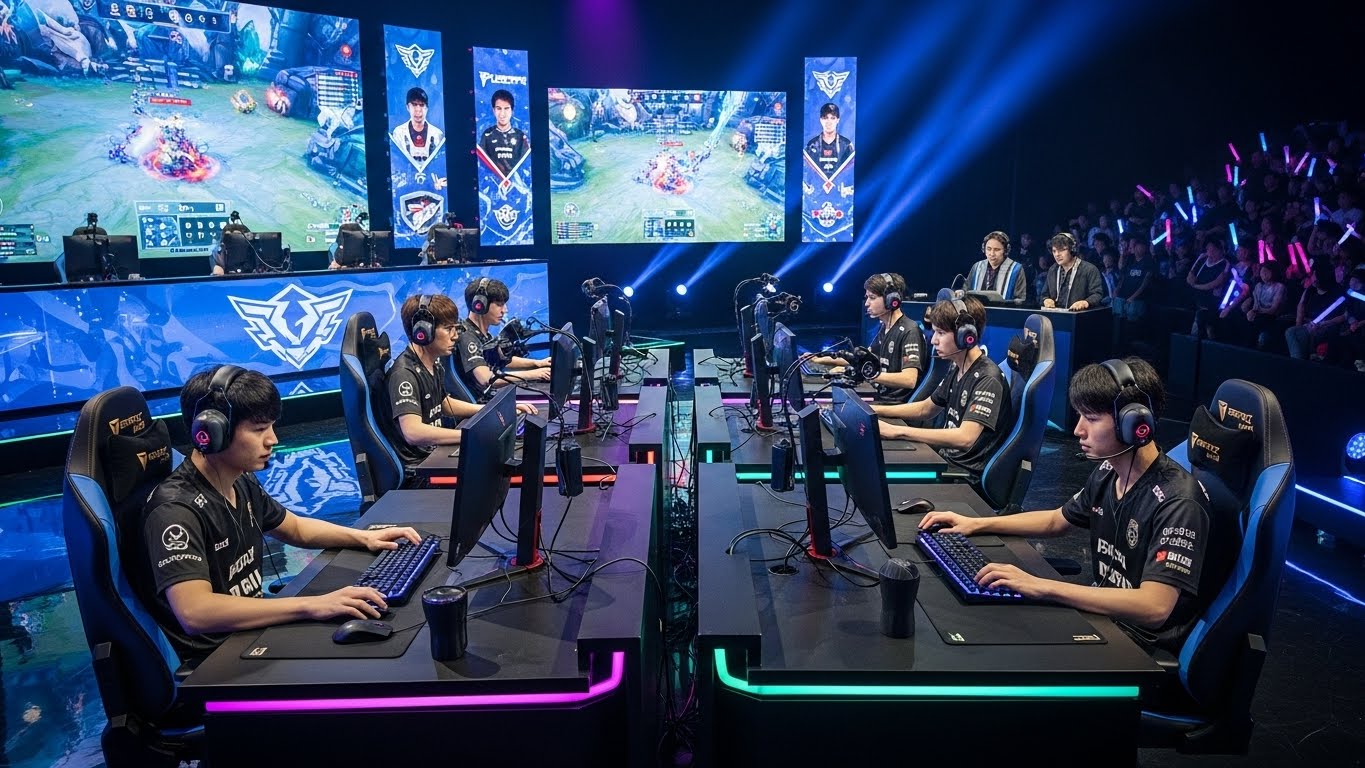
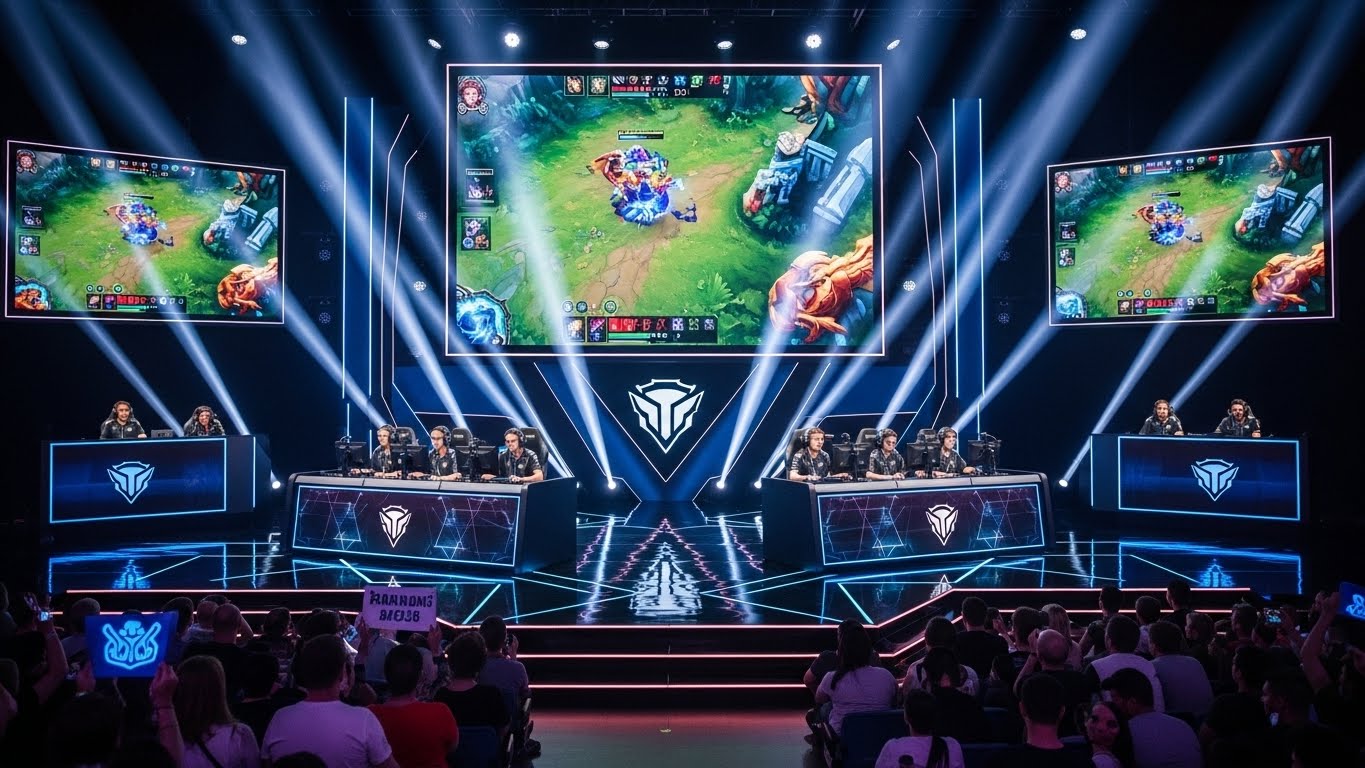
Esports, or competitive gaming, has grown from a niche hobby to a billion-dollar industry in less than two decades. What was once considered a pastime for a small group of enthusiasts has now captured the attention of millions worldwide. From professional tournaments held in massive arenas to live-streamed events with millions of viewers online, esports is no longer a subculture—it is a major part of modern entertainment.
Understanding Esports
Esports refers to organized, competitive video gaming where individuals or teams compete in various game titles at professional levels. These competitions range from first-person shooters like Counter-Strike and Call of Duty to multiplayer online battle arenas such as League of Legends and Dota 2. Players train rigorously, often dedicating hours each day to perfecting strategies, teamwork, and individual skills. Unlike casual gaming, esports demands precision, strategy, and a professional mindset.
What distinguishes esports from traditional gaming is its structured nature. There are leagues, tournaments, sponsorships, and contracts that mirror professional sports. Players are often signed to teams, receive salaries, and compete internationally. The professionalization of esports has made it a legitimate career path, attracting talented players from around the globe.
The History of Esports
The roots of esports can be traced back to the late 1970s and early 1980s when arcade games like Space Invaders and Pac-Man began to gain popularity. The first known video game competition occurred in 1972 at Stanford University, where students competed in the game Spacewar. The 1980s saw the rise of arcade competitions and high-score contests, but it wasn’t until the late 1990s and early 2000s that esports began taking its modern form.
Games like StarCraft and Counter-Strike helped popularize competitive gaming in South Korea and around the world. South Korea, in particular, became a hub for esports, with professional leagues, dedicated gaming arenas, and television broadcasts. This infrastructure created a model that would later be adopted globally.
The growth of the internet and online streaming platforms accelerated esports further. Platforms that allowed gamers to broadcast their gameplay, interact with audiences, and watch professional matches opened the door for esports to become a worldwide phenomenon.
Popular Esports Titles
Different genres of games dominate the esports scene, each with its unique fan base and competitive ecosystem. First-person shooters, or FPS games, are among the most popular. Titles like Counter-Strike: Global Offensive, Call of Duty, and Valorant require precision, fast reflexes, and tactical decision-making. Teams must coordinate strategies in real-time, making teamwork a crucial factor in success.
Multiplayer online battle arenas (MOBAs) like League of Legends and Dota 2 offer a different type of competition. Players select unique characters or “heroes” with specific abilities and work together to defeat the opposing team. MOBAs are renowned for their depth, requiring not only fast reflexes but also strategic planning and adaptability.
Other popular esports genres include real-time strategy games, sports simulations like FIFA, and fighting games such as Street Fighter and Tekken. Each genre brings its own style of competition, catering to different types of players and audiences.
The Esports Community
One of the most remarkable aspects of esports is its thriving community. Unlike traditional sports, esports allows fans to interact with players and teams online, creating a sense of closeness and engagement. Online forums, social media platforms, and live-streaming chatrooms allow fans to discuss matches, strategies, and their favorite players in real time.
The community aspect also extends to amateur players. Esports has a well-established ladder system where players can progress from casual gaming to professional competitions. Many professional players started as passionate hobbyists who honed their skills through online play and local tournaments. This accessibility fosters a sense of inclusivity and inspires the next generation of players.
Esports as a Career
Esports has become a viable career option for talented gamers, offering opportunities beyond just playing games. Professional players often receive salaries, sponsorships, and prize money from tournaments. Top players can earn millions annually through a combination of winnings and brand endorsements.
In addition to players, there are numerous roles within the esports ecosystem. Coaches, analysts, commentators, content creators, and event organizers all play critical roles in maintaining the industry. The demand for these roles continues to grow, providing diverse career paths within esports.
Major Esports Tournaments
Esports tournaments are the lifeblood of competitive gaming. Some of the largest tournaments rival traditional sports events in terms of prize money, viewership, and fan engagement. The International, held annually for Dota 2, boasts one of the largest prize pools in esports history, often exceeding tens of millions of dollars. League of Legends’ World Championship also attracts millions of viewers worldwide and offers substantial rewards for winning teams.
Tournaments are not limited to online play. Live events are held in massive arenas filled with cheering fans, adding the energy of a traditional sports match. These tournaments showcase not only the skill of players but also the production value and entertainment aspect of esports, making them highly appealing to audiences.
Streaming and Content Creation
The rise of streaming platforms has revolutionized how fans consume esports content. Services that allow players to broadcast their gameplay have created a new form of entertainment that blends competition with personality-driven content. Popular streamers often build massive followings, generating revenue through subscriptions, donations, and sponsorships.
Streaming has also expanded the reach of esports, allowing fans from around the world to watch tournaments live. This has contributed to the globalization of esports, connecting players and audiences across different regions and cultures.
The Economic Impact of Esports
Esports is no longer just a hobby; it is a significant economic driver. The industry generates billions of dollars annually through sponsorships, merchandise sales, advertising, and media rights. Major brands, including technology companies, sports apparel manufacturers, and beverage companies, have invested heavily in esports to reach younger, tech-savvy audiences.
The economic impact extends beyond players and teams. Local economies benefit from hosting esports events, as fans travel to venues, book hotels, and spend on entertainment. Cities that embrace esports as a form of entertainment have seen measurable economic growth, similar to hosting traditional sports championships.
Challenges Facing Esports
Despite its growth, esports faces several challenges. Player burnout is a significant concern, as the intense training schedules and constant pressure can take a toll on mental and physical health. Many professional players retire early due to the demanding nature of the industry.
Regulation and standardization also remain issues. Unlike traditional sports, esports lacks a global governing body to enforce rules, player contracts, and ethical standards. This can lead to disputes over prize money, team transfers, and tournament integrity.
Finally, esports continues to battle stereotypes. Some critics dismiss it as “just playing games,” overlooking the skill, strategy, and dedication required to compete at the highest level. Changing public perception is an ongoing challenge for the industry.
The Future of Esports
The future of esports looks promising. Technological advancements, such as virtual reality and cloud gaming, are likely to transform the way competitions are played and viewed. Esports may also continue to integrate with traditional sports, with some professional sports teams investing in esports divisions.
Education is another area of growth. Many universities now offer scholarships for esports players, and esports programs are being developed to teach strategy, teamwork, and game design. These initiatives further legitimize esports as a professional pursuit.
Global expansion is inevitable. While esports is currently dominated by regions like North America, Europe, and Asia, emerging markets in South America, the Middle East, and Africa are beginning to participate in professional esports, bringing new talent and audiences to the industry.
Conclusion
Esports has evolved from a niche pastime to a global phenomenon that combines entertainment, skill, and community. Its rise reflects changes in technology, media consumption, and youth culture. With professional tournaments, streaming platforms, and a growing fan base, esports is no longer confined to the digital world—it has become a legitimate industry with far-reaching social and economic impact.
As esports continues to expand, it challenges traditional notions of sports, competition, and entertainment. The players of today are the professionals of tomorrow, and the fans who watch and engage are shaping a global culture centered around skill, strategy, and passion. In the coming years, esports is poised to become even more mainstream, cementing its place in the world of competitive entertainment.