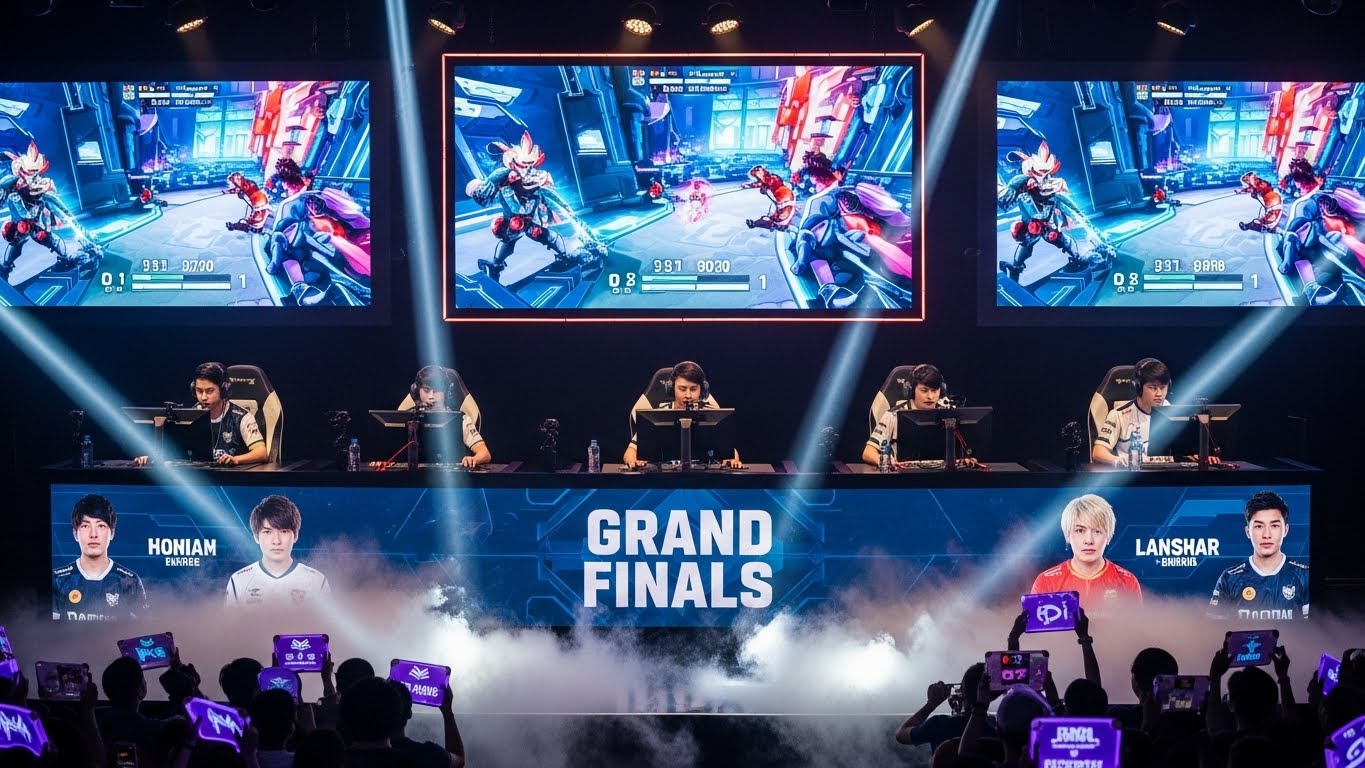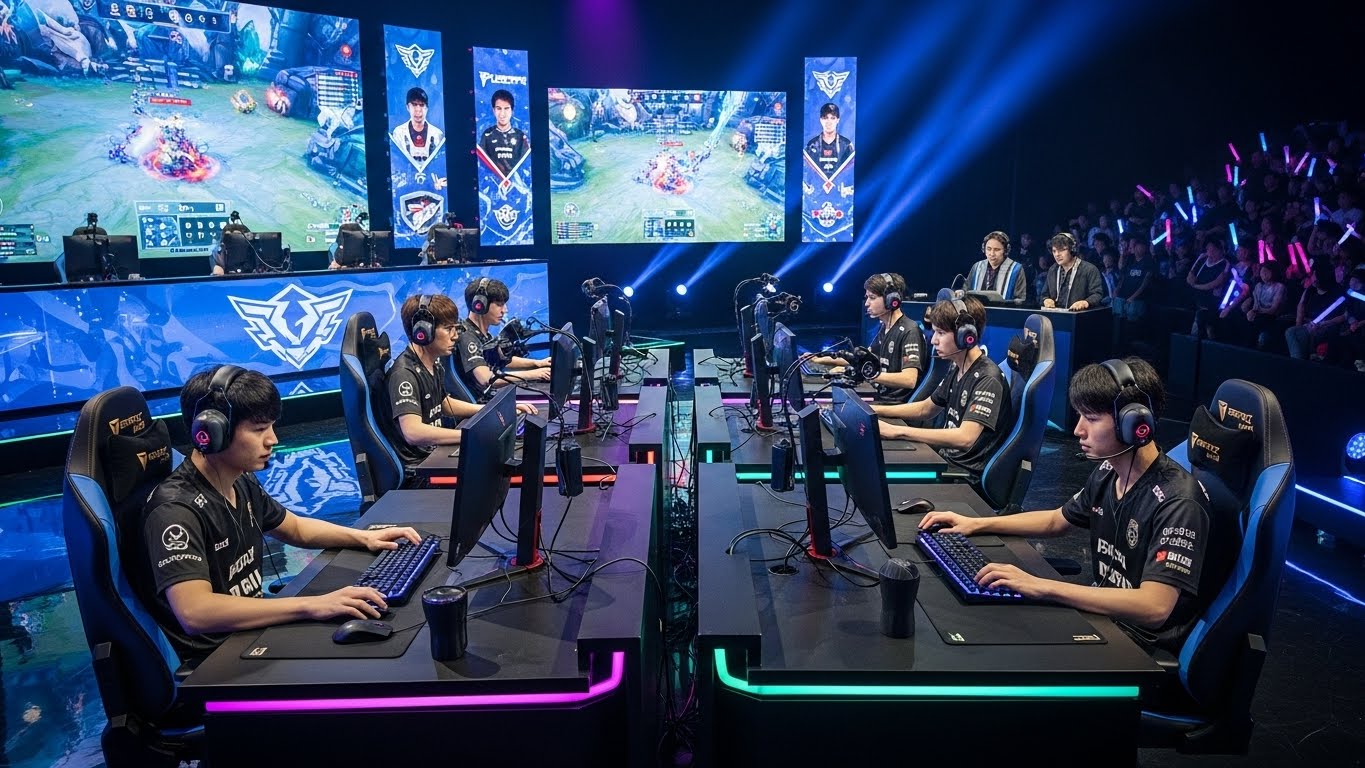
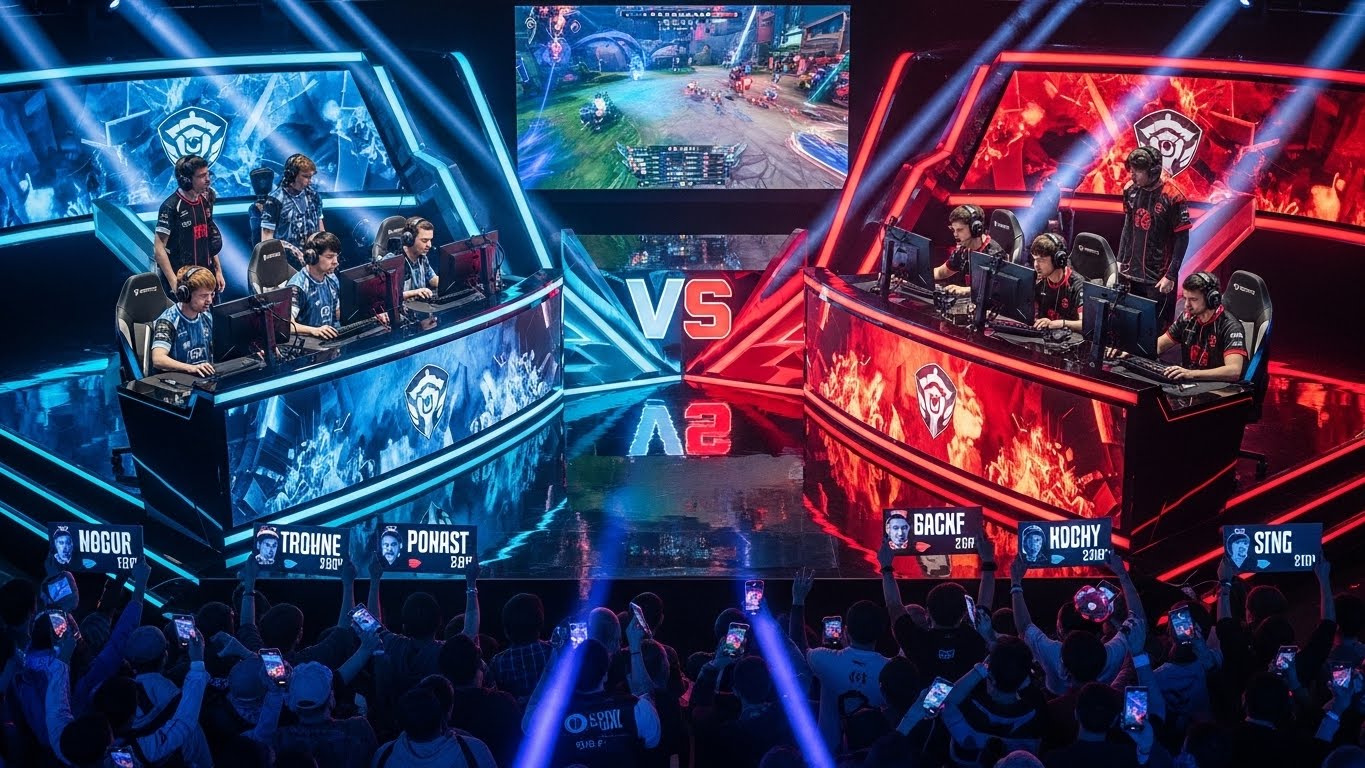
Esports, or competitive gaming, has evolved from a niche hobby into a global phenomenon that captivates millions of players and fans worldwide. Once considered a pastime for casual gamers, esports is now a professional industry with organized leagues, massive prize pools, and devoted fanbases. Its rapid growth is not just a reflection of technological advancement but also a shift in how society perceives competition, entertainment, and digital culture. From amateur tournaments to professional leagues broadcasted globally, esports is redefining the concept of sports in the digital era.
The Evolution of Esports: From Arcades to Global Arenas
The history of esports dates back several decades, beginning with simple arcade competitions in the 1970s and 1980s. Early video games like Space Invaders, Pac-Man, and Street Fighter laid the foundation for competitive gaming. Players gathered in local arcades to showcase their skills, and small tournaments started to emerge, offering bragging rights rather than substantial rewards.
The 1990s brought significant changes with the rise of PC gaming and the internet. Games like StarCraft, Quake, and Counter-Strike allowed players to compete online, bridging distances and creating communities of gamers who could challenge each other from across the world. By the early 2000s, professional esports leagues began forming, and tournaments started offering cash prizes, signaling the transition from hobbyist competition to a legitimate industry.
Today, esports spans multiple genres including multiplayer online battle arenas, first-person shooters, fighting games, and sports simulations. Titles like League of Legends, Dota 2, and Fortnite have created global spectacles, attracting millions of viewers and transforming professional gaming into a mainstream form of entertainment.
Physical and Mental Skills in Esports
Contrary to common misconceptions, esports requires a combination of physical and mental abilities. High-level competitive gaming demands precise hand-eye coordination, reflexes, and motor control. Players often practice for hours daily, training their reflexes, reaction times, and accuracy to perform at peak levels during tournaments.
Mental strength is equally important. Strategic thinking, problem-solving, and quick decision-making are crucial in esports. Players must analyze constantly evolving scenarios, predict opponents’ moves, and adapt strategies in real-time. Maintaining focus under pressure, managing stress, and demonstrating resilience are all critical components of professional gaming. In many ways, esports mirrors traditional sports, challenging both body and mind in pursuit of excellence.
The Role of Technology in Esports
Technology is at the core of esports’ growth and development. High-performance gaming hardware, fast internet connections, and advanced software have transformed competitive gaming into a professional arena. Streaming platforms allow millions of fans to watch live tournaments, interact with players, and engage in global gaming communities.
Moreover, analytics tools, virtual coaching, and simulation software help professional players enhance their skills. Teams now analyze opponents’ strategies using data-driven insights, improving decision-making and increasing the level of competition. Technology also enables immersive spectator experiences, with augmented reality, enhanced graphics, and interactive features making esports accessible and entertaining for fans of all ages.
The Economic Impact of Esports
Esports has become a powerful economic force. Professional tournaments offer multi-million-dollar prize pools, and sponsorship deals with gaming brands, technology companies, and lifestyle products generate substantial revenue. Esports teams operate much like traditional sports franchises, with managers, coaches, analysts, and marketing professionals contributing to their success both on and off the field.
The industry also drives related sectors such as hardware production, game development, content creation, and event management. Major tournaments attract thousands of fans to stadiums and arenas, boosting tourism, hospitality, and local businesses. The economic impact of esports extends far beyond gaming, influencing global markets and creating opportunities for employment, entrepreneurship, and innovation.
Social and Cultural Impact of Esports
Esports is not just about competition; it is a cultural phenomenon that shapes communities and social interactions. Online platforms allow gamers from diverse backgrounds to connect, share experiences, and collaborate in multiplayer environments. Fans engage with players through social media, livestreams, and online forums, forming tight-knit communities built around shared interests.
Culturally, esports has challenged traditional perceptions of sports and entertainment. It has opened doors for people who may not participate in physical sports due to age, disability, or personal preference, offering an inclusive space for competition and achievement. The rise of esports celebrities and influencers also demonstrates how gaming culture has become an influential force in fashion, music, and digital media.
Esports as a Career: Opportunities and Challenges
The professionalization of esports has created a wide range of career opportunities. Beyond players, the industry supports coaches, analysts, commentators, content creators, and event organizers. Esports academies and training programs help aspiring players develop skills and prepare for professional competition, much like traditional sports academies.
However, pursuing a career in esports comes with challenges. Intense training schedules, high-pressure environments, and the risk of burnout are common concerns. Financial stability is often uncertain, particularly for players in smaller leagues or emerging markets. Despite these challenges, the growing recognition and support for esports as a legitimate career path continue to attract talented individuals worldwide.
Education and Esports: Developing Skills for the Future
Esports has also found a place in educational institutions. Many schools and universities now offer esports programs, integrating gaming into curriculum and extracurricular activities. Participation in esports promotes critical thinking, teamwork, and leadership, while also developing skills in communication, strategy, and technology.
Educational programs focused on esports can prepare students for careers in gaming, digital media, software development, and sports management. By combining entertainment with practical skill development, esports serves as a bridge between passion and professional growth, equipping young individuals with tools to succeed in a rapidly evolving digital economy.
The Global Phenomenon of Esports Tournaments
Esports tournaments have become global spectacles, attracting millions of viewers and widespread media attention. Events like the League of Legends World Championship, The International, and Fortnite World Cup showcase the highest level of competition, with stadiums filled with fans and millions more watching online.
These tournaments highlight the strategic complexity, teamwork, and skill required in professional gaming. They also foster a sense of global community, as players from different countries compete on the same stage, and fans unite to celebrate their favorite teams. The excitement and engagement surrounding esports tournaments have redefined the concept of live entertainment in the digital era.
Inclusivity and Diversity in Esports
One of esports’ most significant advantages is its potential for inclusivity and diversity. Unlike many traditional sports, esports does not require specific physical attributes, making it accessible to a broader range of participants. Players of different genders, ages, and abilities can compete at high levels, creating opportunities for underrepresented groups to excel.
Esports also encourages cultural exchange and understanding. Online multiplayer environments bring together players from around the world, promoting collaboration, communication, and mutual respect. As the industry continues to grow, inclusivity initiatives, adaptive programs, and diversity campaigns will play a vital role in shaping a more equitable and representative esports ecosystem.
The Future of Esports: Innovation and Sustainability
The future of esports promises continued innovation, technological advancement, and global expansion. Emerging technologies like virtual reality, augmented reality, and cloud gaming will further enhance the player and spectator experience, creating immersive environments that blend physical and digital realities.
Sustainability is becoming a priority for the industry, with initiatives focused on reducing the environmental impact of tournaments, promoting ethical practices, and encouraging responsible gaming. As esports continues to evolve, its influence will extend beyond entertainment, shaping education, economy, culture, and technology in unprecedented ways.
Conclusion: Esports as a Defining Force in Modern Entertainment
Esports is far more than a digital pastime. It is a rapidly growing industry that challenges traditional concepts of sports, entertainment, and competition. Through skill, strategy, and community engagement, esports has created opportunities for personal growth, career development, and global connection.
The rise of esports demonstrates how technology and passion can redefine culture, providing a platform for players, fans, and professionals to thrive. From local tournaments to international championships, esports continues to inspire, entertain, and unite people worldwide. As it matures, esports will not only redefine gaming but also influence broader aspects of society, proving that competitive gaming is indeed a defining force in modern entertainment.