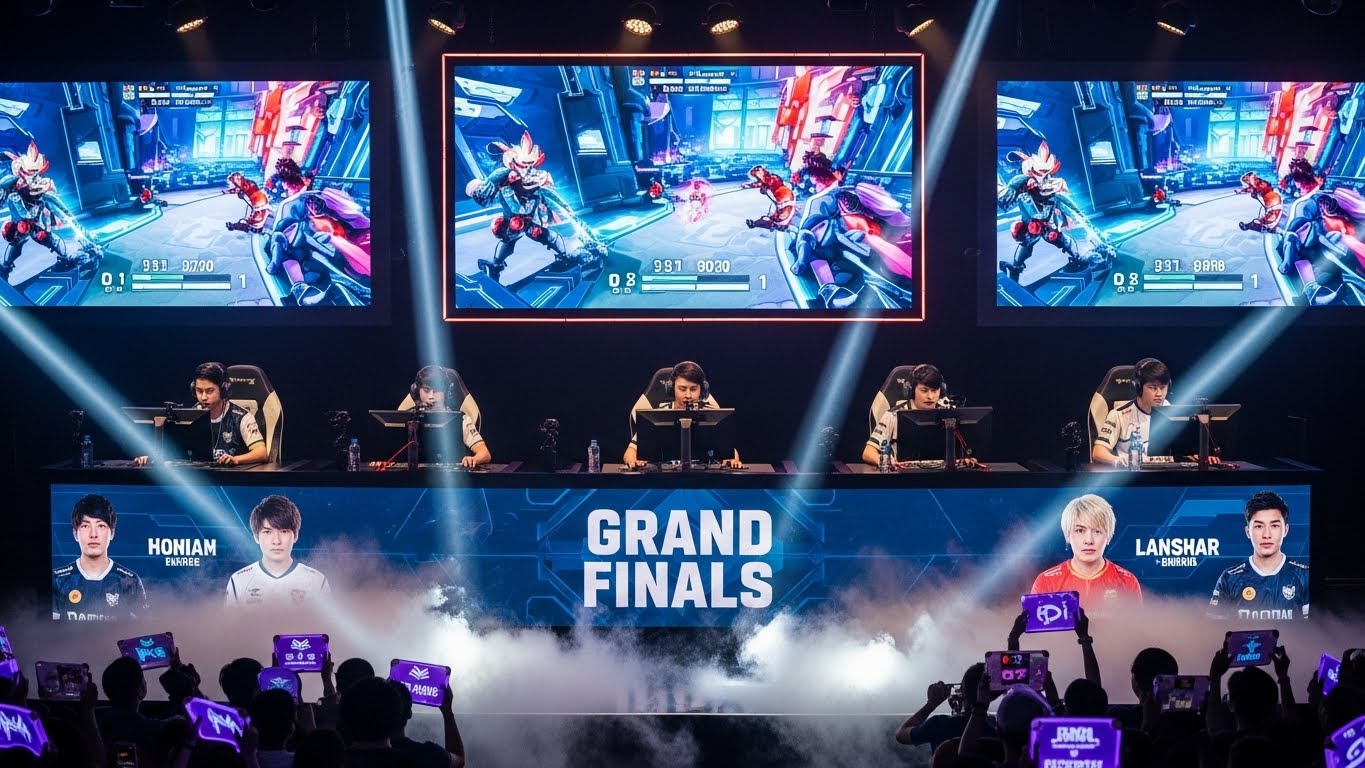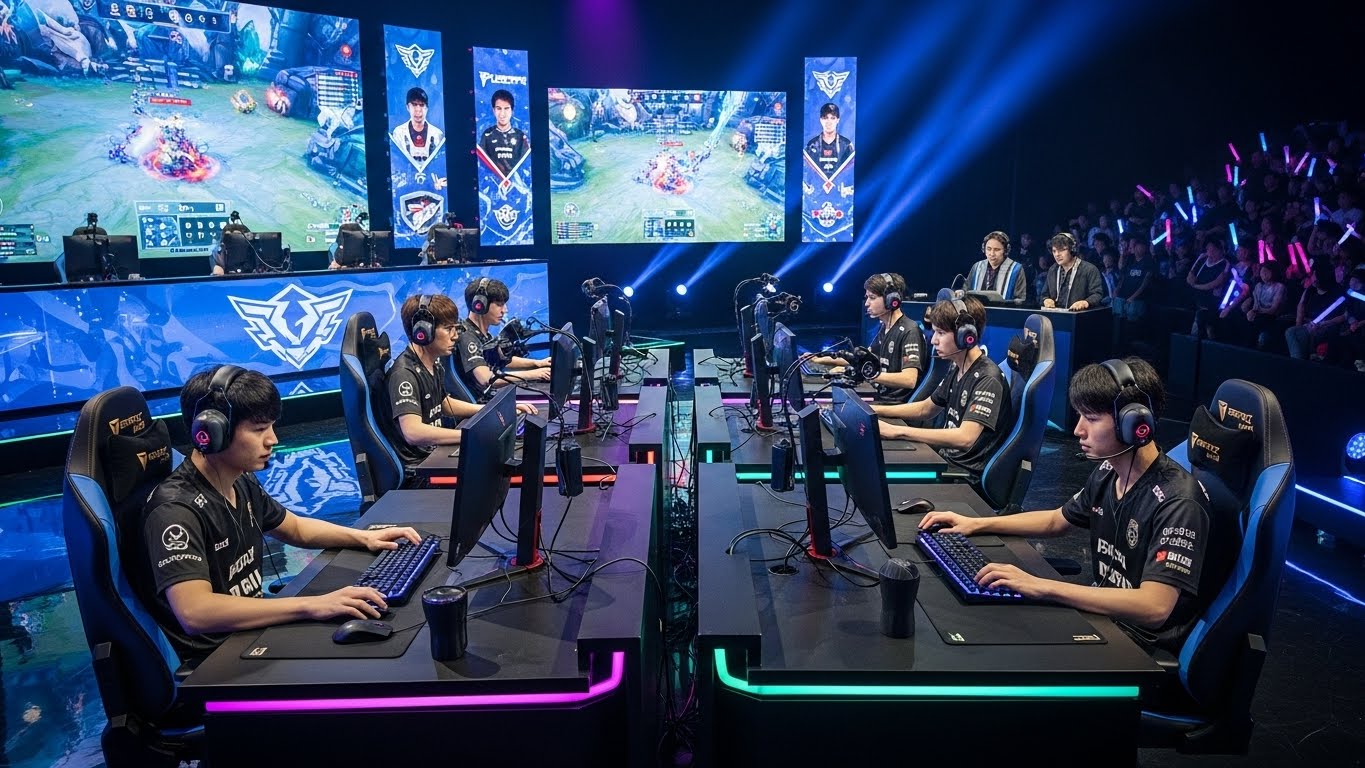
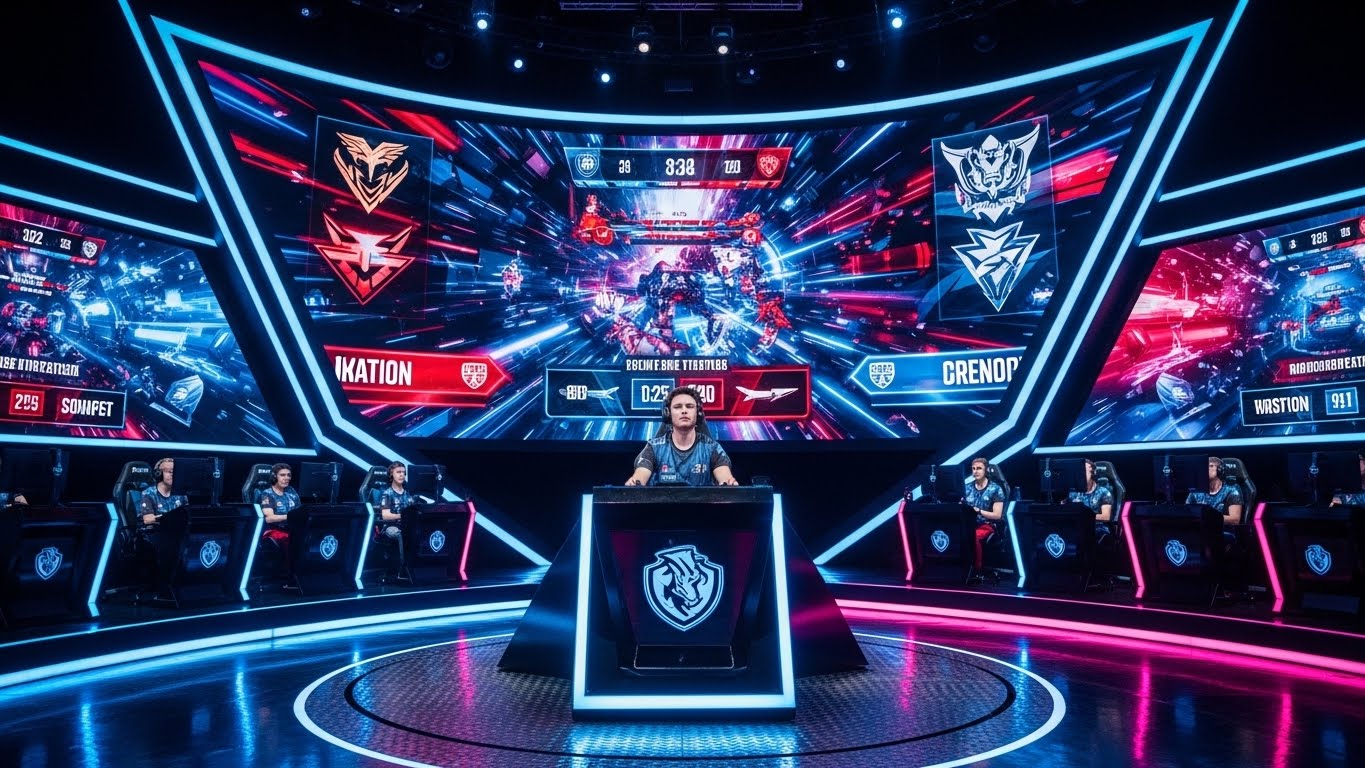
eSports—short for electronic sports—has become one of the fastest-growing industries in the world today. What started as a niche hobby for gamers has blossomed into a massive global phenomenon, attracting millions of viewers, enormous sponsorship deals, and even university scholarships for top players. Competitive gaming is no longer just about playing for fun; it’s a serious business. But how did we get here? What exactly is eSports? And how is it shaping the future of gaming, entertainment, and even sports culture? In this blog post, we will explore the rise of eSports, its impact on the gaming world, and its future.
The Origins of eSports: From Arcade Tournaments to Online Competitions
eSports didn’t appear out of thin air. Its roots can be traced back to the early days of video gaming itself. In the 1970s, the first competitive video game tournaments started to take place. One of the earliest instances was the Space Invaders Championship in 1980, which attracted thousands of participants and even sparked media attention. It was clear, even then, that people enjoyed playing games not just for fun but for competition as well.
However, it wasn’t until the 1990s that the concept of organized competitive gaming began to gain real traction. The rise of the internet, along with the growing popularity of games like Warcraft and Quake, enabled players from around the world to compete against one another online. LAN (Local Area Network) parties, where gamers would gather to play multiplayer games in the same physical location, became a staple in competitive gaming. These gatherings, often in basements or rented halls, were some of the earliest versions of what we would eventually recognize as major eSports events.
In the late ’90s and early 2000s, games like StarCraft, Quake III Arena, and Counter-Strike laid the foundation for modern eSports. These titles introduced both casual players and serious competitors to the idea of ranking, ladders, and online leaderboards, creating an ecosystem where competitive gaming could flourish. The first major eSports leagues and tournaments began to emerge during this time, including events like the World Cyber Games (WCG) and Electronic Sports World Cup (ESWC), which helped elevate the idea of competitive gaming to an international level.
The Rise of eSports: The 2000s and the Growth of Professional Gaming
The 2000s were a transformative decade for eSports. It was during this period that the competitive gaming scene began to evolve from a collection of amateur tournaments to a global, professionally organized industry. One of the key catalysts for this change was the introduction of massively multiplayer online (MMO) games and real-time strategy (RTS) games, particularly StarCraft: Brood War. This game became hugely popular in South Korea, where it ignited the first real “eSports boom.”
South Korea became a central hub for competitive gaming during the early 2000s. The country’s internet infrastructure, coupled with the rise of cable television broadcasts for games like StarCraft, helped create a massive fan base for eSports. Professional gamers were treated like celebrities, and tournaments were broadcasted on national television. South Korea’s success in establishing eSports as a legitimate career path for gamers became the blueprint for other countries to follow.
By the mid-2000s, major gaming companies began to take notice of eSports’ potential. Companies like Blizzard Entertainment, Riot Games, and Valve Corporation started developing games with built-in competitive infrastructures and organized tournaments. Blizzard’s Warcraft III and StarCraft II, Riot’s League of Legends, and Valve’s Dota 2 each helped to popularize eSports globally. These games not only had competitive multiplayer modes, but they also attracted large, dedicated fan bases and had built-in structures for organized tournaments and leagues.
The early 2010s saw the rise of large eSports organizations, professional teams, and the development of sponsorships, with brands like Coca-Cola, Intel, and Red Bull getting involved in eSports. The increase in media coverage—especially through platforms like Twitch, YouTube, and even traditional sports networks like ESPN—made it clear that eSports was on the path to mainstream recognition.
The Anatomy of Modern eSports: Games, Leagues, and Tournaments
eSports today is a multi-faceted industry with a variety of games, leagues, and tournaments, each with its own culture and set of rules. But despite this diversity, there are some key components that define the modern eSports scene.
The Games
While the list of games that are played professionally in eSports is always evolving, certain genres dominate the landscape. These include:
- Multiplayer Online Battle Arenas (MOBAs): Games like League of Legends and Dota 2 are at the heart of the eSports scene. MOBAs typically feature two teams of players who battle to destroy each other’s base while navigating a map full of obstacles, creeps, and powerful heroes. The strategy, teamwork, and individual skill required make these games perfect for competitive play. League of Legends, in particular, is one of the most-watched eSports titles worldwide, with annual tournaments like the League of Legends World Championship drawing millions of viewers.
- First-Person Shooters (FPS): Games like Counter-Strike: Global Offensive (CS: GO), Overwatch, and Call of Duty offer fast-paced action and require precise aiming, reflexes, and coordination. The competitive nature of FPS games makes them ideal for tournament play, and major competitions like the CS: GO Major Championships and Overwatch League attract players from all over the world.
- Real-Time Strategy (RTS): Though not as dominant as MOBAs and FPS games, RTS titles like StarCraft II and Age of Empires still have a dedicated competitive scene. These games require players to manage resources, build armies, and make strategic decisions in real-time, demanding a high level of multitasking and foresight.
- Fighting Games: The fighting game community (FGC) has a rich history in competitive gaming. Titles like Street Fighter, Super Smash Bros., and Tekken have long been staples of tournament gaming. Unlike the other genres mentioned, fighting games are usually one-on-one, with players relying heavily on their skills in timing, strategy, and execution.
- Sports Simulation Games: Games like FIFA, NBA 2K, and Madden NFL also have strong eSports scenes. These games simulate real-world sports, and their competitive nature allows players to compete at the highest levels, just like in actual sports leagues.
The Leagues and Tournaments
Just like traditional sports, eSports has its own professional leagues and tournaments. These events can be divided into two main categories: online competitions and offline events.
- Online Competitions: Many eSports competitions are hosted online, allowing players to compete from anywhere in the world. The online nature of these events means that players are often able to participate in regular qualifiers, ladders, and smaller tournaments that lead to larger championship events.
- Offline Events (LAN Tournaments): Major eSports tournaments are often held in large arenas or stadiums and are broadcast to millions of viewers across the globe. These events, such as The International for Dota 2 or the League of Legends World Championship, are the culmination of months of competition. The largest eSports tournaments offer millions of dollars in prize money, and the best players and teams compete for both glory and financial rewards. These events often feature elaborate opening ceremonies, professional commentary, and intense fan support, making them as thrilling to watch as any major sports event.
Some prominent eSports leagues include:
- The Overwatch League: This is a professional league for Blizzard’s Overwatch. It’s structured similarly to traditional sports leagues, with teams representing cities and playing in a season format, followed by playoffs.
- CS: GO Major Championships: These are the most prestigious tournaments in the Counter-Strike world, where the best teams in the game compete for a share of the multimillion-dollar prize pool.
- The League of Legends Championship Series (LCS): A major league for League of Legends, featuring teams from North America, Europe, and other regions. The LCS is one of the most-watched competitive gaming events worldwide.
- The International: Hosted by Valve for Dota 2, this annual tournament has some of the largest prize pools in the eSports world, often reaching tens of millions of dollars.
The Business of eSports: Sponsorship, Streaming, and Content Creation
While the competitive aspect of eSports is undoubtedly exciting, it’s the business side of things that truly propels the industry forward. The rise of eSports has attracted major corporations, media outlets, and investors, all of whom see the value in tapping into the growing gaming community.
Sponsorship and Advertising
As eSports has gained mainstream attention, companies from outside the gaming industry have been eager to get involved. Brands like Intel, Coca-Cola, Red Bull, and even traditional sports teams have invested heavily in eSports. Sponsorships for teams, tournaments, and even individual players have become a significant revenue stream. For instance, team jerseys are often emblazoned with the logos of tech companies, energy drinks, and even luxury car brands.