Introduction: The New Era of Competitive Gaming
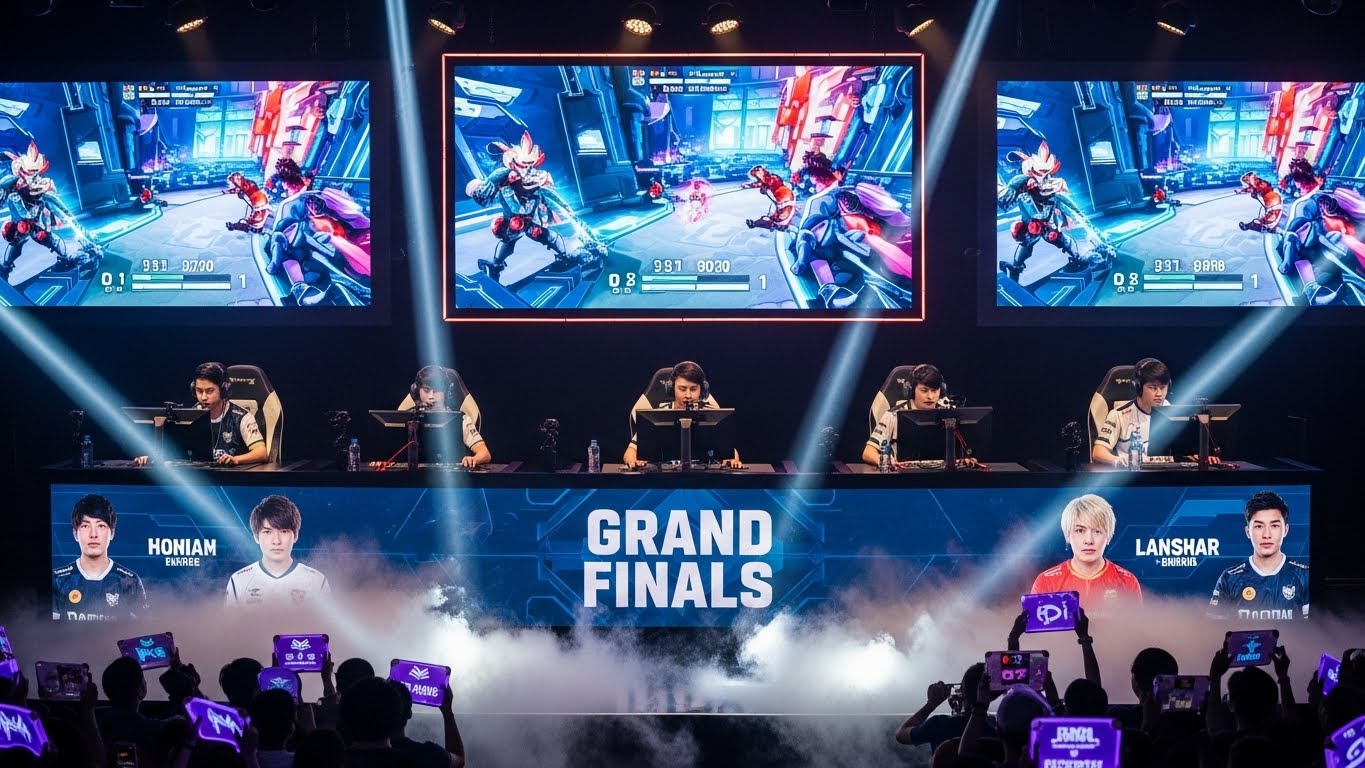
In the past decade, esports has evolved from a niche hobby to a global entertainment phenomenon. What was once a small gathering of gamers now attracts millions of viewers, massive sponsorships, and multi-million dollar prize pools. Esports, or electronic sports, refers to organized multiplayer video game competitions, particularly between professional players, individually or as teams. These competitions have become a massive part of the digital entertainment landscape, rivaling traditional sports in both viewership and influence.
What began as casual gaming events in local arcades and basement tournaments has now grown into a multi-billion-dollar industry, with professional teams, sponsorships, broadcasting deals, and dedicated fanbases. Esports is no longer just a hobby; it is a professional career choice for thousands of players worldwide, and for fans, it offers an exciting new avenue for engagement. In this post, we’ll explore the rise of esports, its impact on culture, and how it is shaping the future of gaming and entertainment.
The Growth of Esports: From Hobby to Industry
Esports’ journey to becoming a mainstream industry is a testament to the growing popularity of video games. It began with small-scale tournaments for games like “StarCraft” and “Warcraft” in the late 1990s and early 2000s. These competitions were primarily organized by fan communities and supported by gaming publishers. While still a niche activity, they created a foundation for the larger esports ecosystem.
As gaming technology improved, so did the competitiveness of the games. Titles like “League of Legends,” “Dota 2,” “Counter-Strike: Global Offensive,” and “Overwatch” revolutionized the esports scene, offering deeper mechanics, online multiplayer functionality, and a dedicated player base. These games became staples of the esports world, with organized leagues, professional teams, and annual tournaments offering significant prize money.
One of the major catalysts for the rise of esports was the growth of live streaming platforms, particularly Twitch, which allowed fans to watch esports competitions in real time from the comfort of their own homes. With millions of viewers tuning in to watch professional players compete, the viewership potential for esports rivaled that of traditional sports. Big brands took notice, and soon esports began attracting massive sponsorships from companies across industries such as technology, energy drinks, and even automotive brands.
Esports as a Professional Career
The notion of gaming as a legitimate career option has long been a subject of debate. However, esports has definitively changed that conversation. Professional gamers can now make a living by participating in tournaments, streaming their gameplay, and promoting brands on social media. In fact, many esports professionals have become household names, with millions of followers across platforms like YouTube, Twitter, and Instagram.
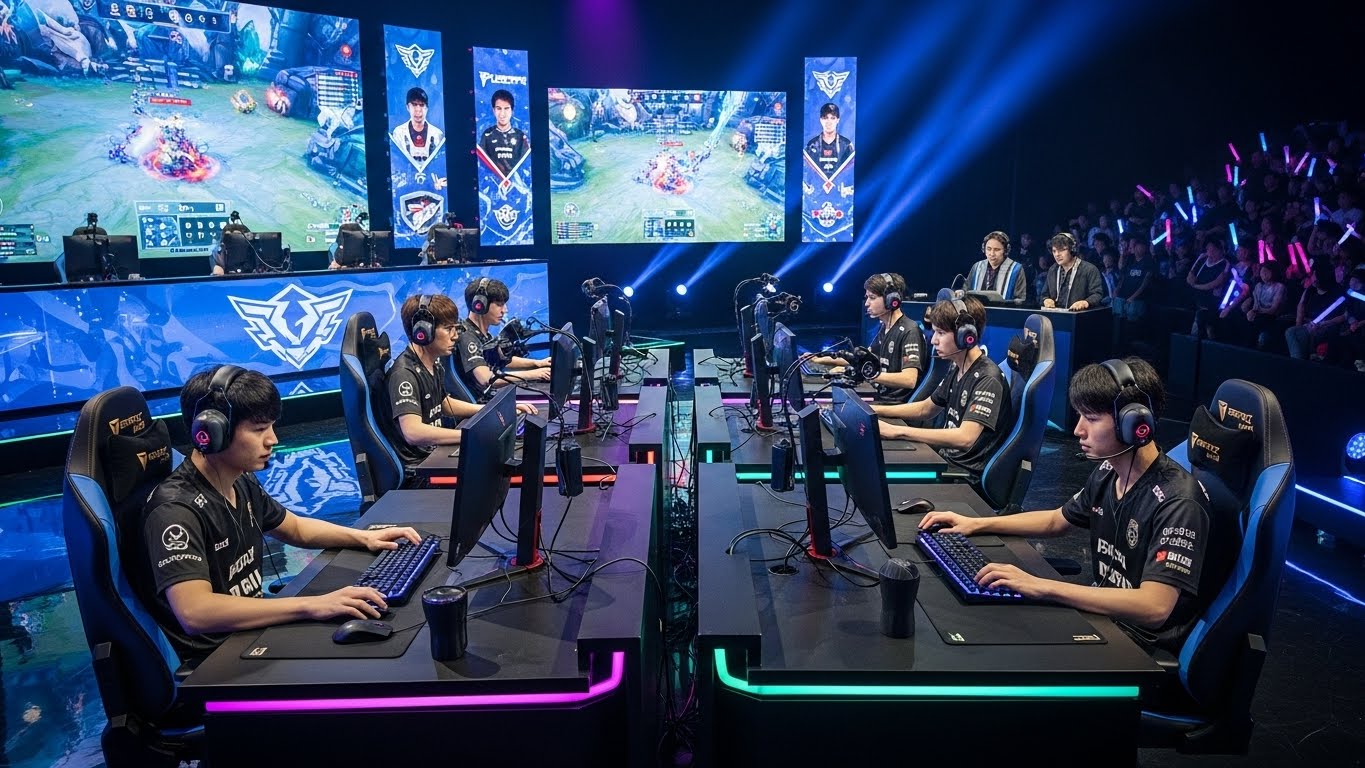
The professionalization of esports has led to the creation of dedicated teams, coaches, analysts, and managers. Esports organizations like Team Liquid, Cloud9, Fnatic, and G2 Esports have built international fanbases and have become major players in the entertainment industry. Players train and practice just like professional athletes, with regimented schedules, coaches, and performance analysts who help them refine their skills.
The amount of money involved in esports is staggering. The prize pools for major tournaments can reach millions of dollars. For instance, “The International,” the annual Dota 2 championship, regularly boasts prize pools of over $30 million, making it one of the highest-paying esports events globally. Additionally, players can earn income through sponsorships, merchandise sales, and streaming revenue, giving them multiple streams of income.
The Esports Fanbase: A Global Community
What sets esports apart from traditional sports is its unique relationship with its fans. Esports fandom is global and digital-first. Fans can tune in to events from anywhere in the world, and social media has allowed for deeper engagement with players and teams. Streaming platforms like Twitch and YouTube have become more than just broadcasting tools—they are community spaces where fans interact with players, other viewers, and even teams in real time.
Fans can show support for their favorite players or teams in ways that traditional sports fandom can’t always match. Through live chats during streams, fan art, and online forums, esports fans create a vibrant and interactive ecosystem. Additionally, many esports fans are gamers themselves, adding another layer of connection between players and their audience. This mutual passion for gaming helps foster loyalty and long-term fan engagement.
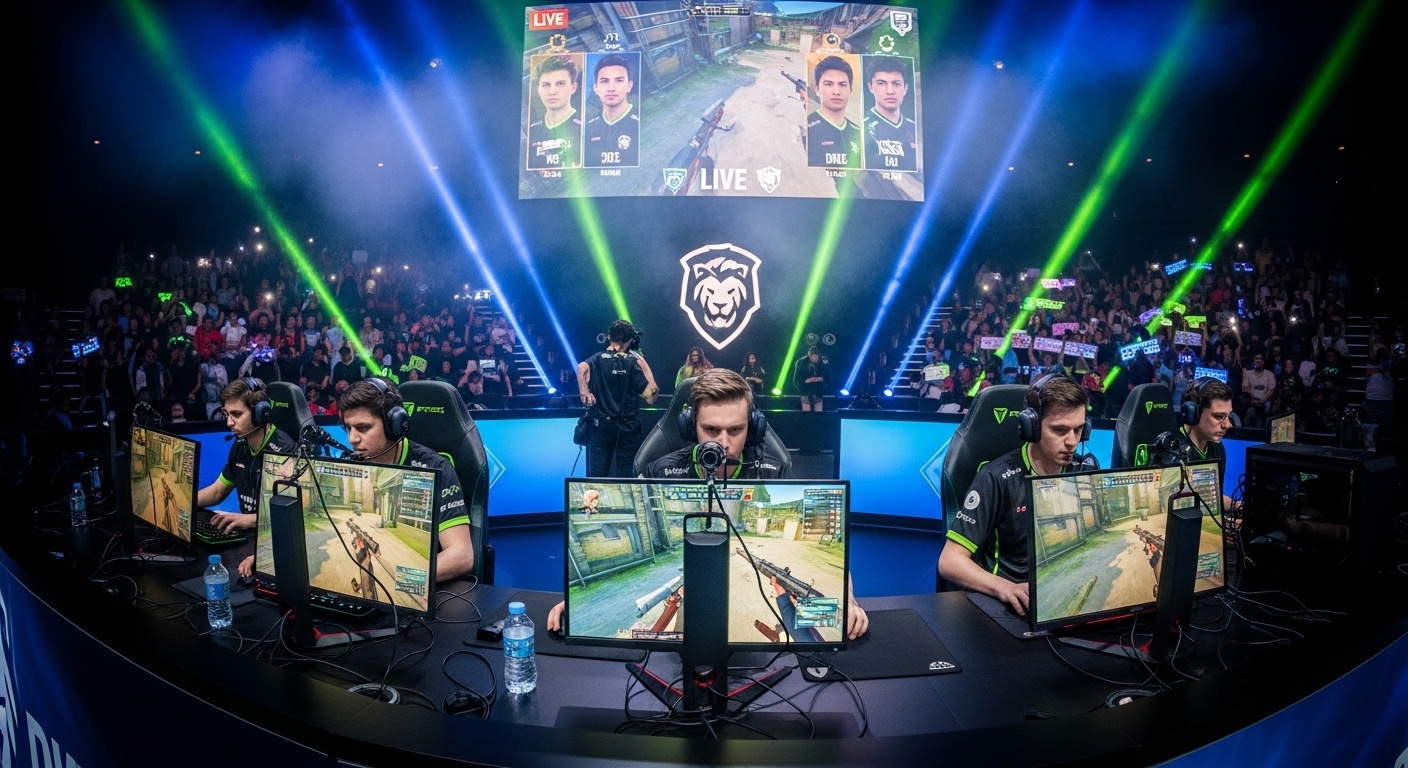
Esports tournaments also allow for massive viewership. For example, “League of Legends” World Championship consistently attracts over 100 million viewers each year. These tournaments are broadcast globally, in multiple languages, allowing fans from different cultures and regions to experience the excitement of live competition. Esports has, in a sense, globalized fandom—where someone in the United States can cheer for a team from South Korea or Europe, all while communicating via social media.
The Popularity of Esports Titles
The success of esports is closely tied to the games themselves. Titles such as “League of Legends,” “Counter-Strike: Global Offensive,” “Fortnite,” and “Valorant” have become household names, drawing players and viewers from across the globe. These games are designed for competitive play, offering complex mechanics, balanced gameplay, and regular updates that keep players engaged.
“League of Legends,” for example, has established itself as one of the most popular esports games in the world, with professional leagues like the League of Legends Championship Series (LCS) in North America, LEC in Europe, and LCK in South Korea. The regular seasons and international competitions, such as the World Championship, feature some of the best players in the world competing for huge cash prizes and international recognition.
“Counter-Strike: Global Offensive” (CS:GO) is another cornerstone of esports, with its tactical gameplay and large player base. CS:GO tournaments, like ESL Pro League, offer massive cash prizes, and the game has cemented itself as a favorite among both players and spectators due to its strategic depth and fast-paced action.
Newer games like “Valorant,” developed by Riot Games, are quickly gaining momentum in the esports scene. With mechanics similar to “CS:GO” but with the added flair of unique character abilities, “Valorant” has captured the attention of competitive gamers worldwide, and major tournaments are already being established.
The Role of Technology in Esports
One of the key drivers behind the growth of esports is the advancement of gaming technology. Graphics have become more realistic, servers have become faster and more stable, and in-game tools have evolved to enhance the overall gaming experience. Online matchmaking systems have allowed players to compete against opponents around the world with minimal latency, creating a level playing field.
High-definition streaming and broadcasting technology have also been critical in making esports more accessible to viewers. With platforms like Twitch and YouTube Gaming, fans can watch professional players live, interact with them through chats, and even participate in live events virtually. The use of VR (virtual reality) and AR (augmented reality) is also making its way into esports, providing fans with immersive experiences that were once impossible to achieve.
The integration of analytics and data in esports is another major trend. Professional players and coaches use performance metrics to analyze every aspect of their gameplay. Data tracking tools allow them to optimize strategies, detect weaknesses, and refine their approach to each match. Fans and analysts can also study these metrics to better understand the nuances of the game, adding another layer of excitement for esports enthusiasts.
The Cultural Impact of Esports
Esports has had a profound cultural impact, influencing everything from entertainment to fashion. Many esports athletes are considered celebrities, with millions of followers and endorsement deals with major brands. They not only inspire aspiring gamers but also engage with the wider community through social media, often participating in charity events, collaborations with influencers, and public campaigns.
The popularity of esports has also changed how traditional sports organizations view gaming. Many professional sports teams, including the NBA’s Cleveland Cavaliers and the NFL’s Dallas Cowboys, have invested in esports teams, seeing the potential to tap into the massive, younger audience that follows competitive gaming. Major brands like Coca-Cola, Adidas, and Intel have sponsored esports events and teams, further legitimizing esports as a significant part of the entertainment industry.
Furthermore, esports has opened up new career paths. From professional players to content creators, analysts, broadcasters, and event organizers, esports has created a thriving ecosystem of jobs. As the industry continues to grow, the potential for new opportunities in marketing, media, and event management is bound to increase.
The Future of Esports
The future of esports is incredibly bright. As the industry matures, we can expect even more mainstream recognition and increased media coverage. Esports is likely to continue its path toward becoming as widely accepted as traditional sports, with major tournaments broadcast on television and streamed worldwide.
More game developers are likely to focus on creating competitive games, leading to an even wider selection of esports titles. As technology advances, esports could become more immersive, with the potential for virtual reality and augmented reality transforming how players compete and how viewers experience the action.
Esports will also continue to grow in terms of global reach. As internet access improves around the world, countries that have not yet embraced competitive gaming will begin to develop their own esports scenes. This means more talent, more competitions, and more fans, making esports a truly global phenomenon.
Conclusion: A New Age of Gaming and Competition
Esports has come a long way from its humble beginnings as a casual pastime. Today, it stands as a legitimate industry that rivals traditional sports in terms of viewership, earnings, and cultural impact. From professional players to dedicated fans, esports has become a powerful force in the entertainment world, offering new opportunities and experiences for all involved.