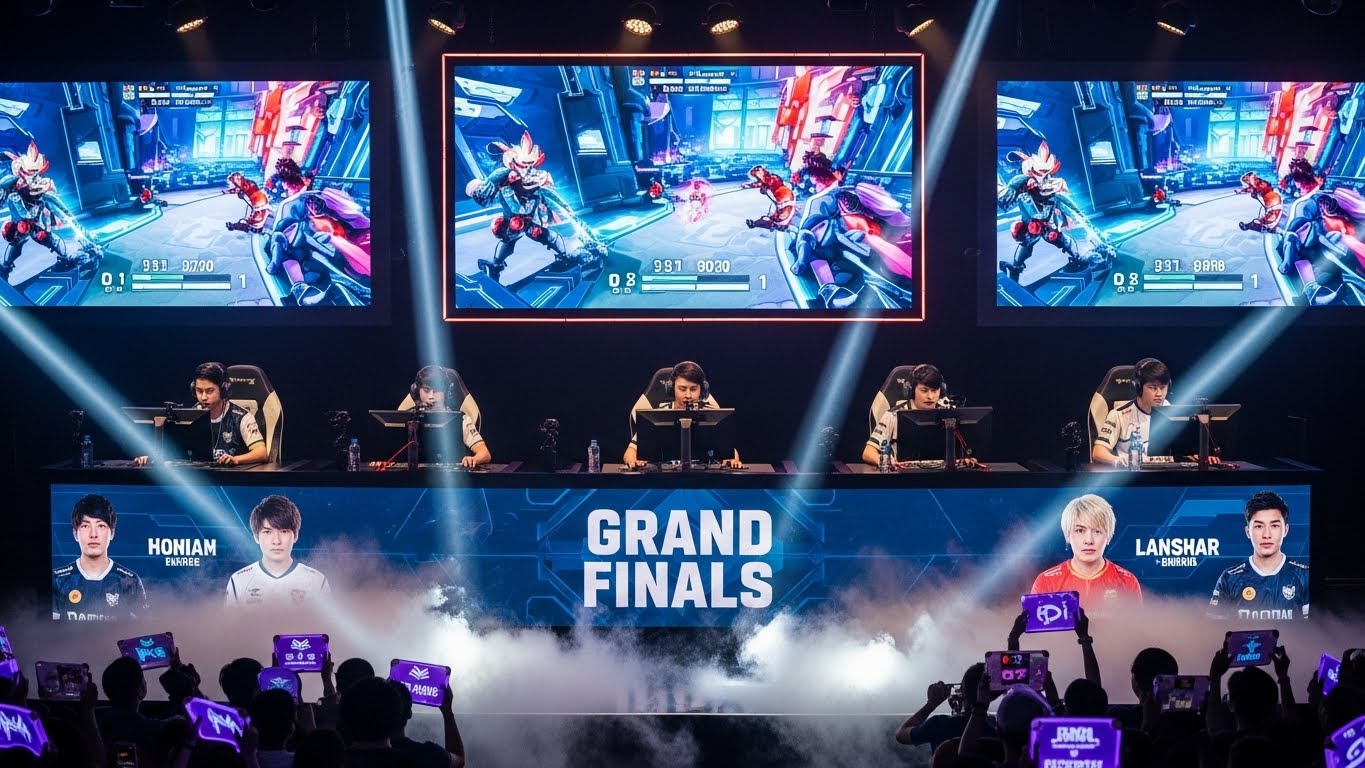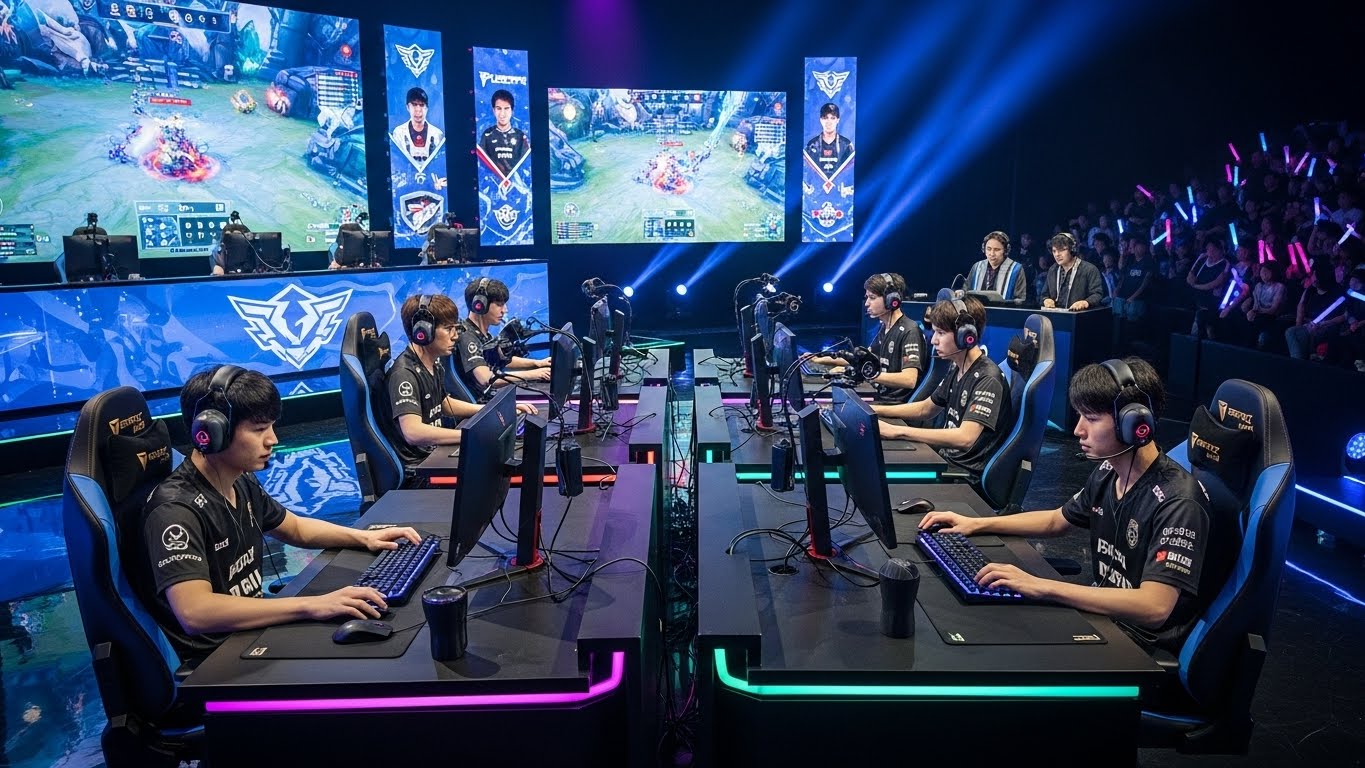
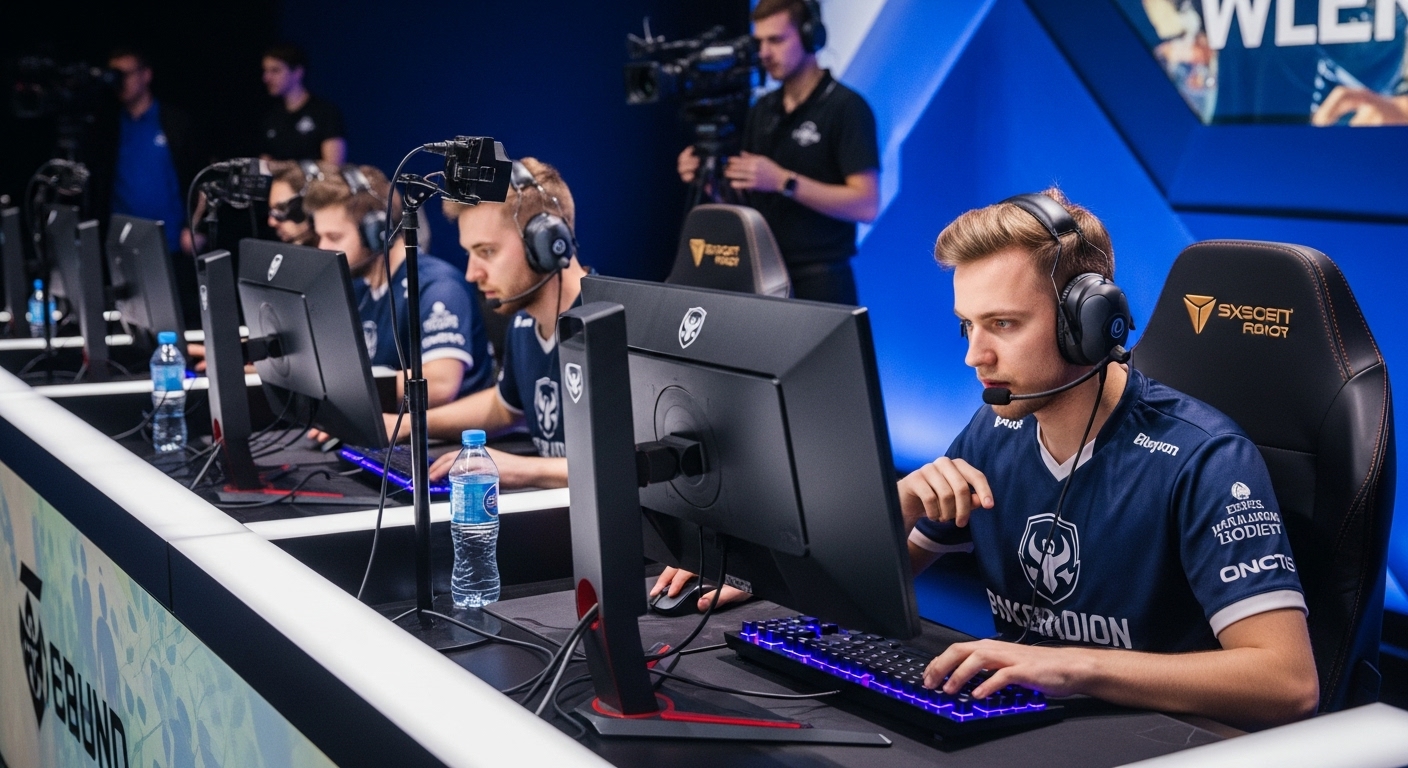
In the past decade, esports has evolved from a niche hobby into a global entertainment phenomenon. Competitive gaming, once limited to small tournaments and dedicated gaming communities, has now become a multi-billion-dollar industry with millions of fans, professional players, and massive prize pools. Esports has redefined the landscape of competition, blending technology, strategy, and athleticism in ways that traditional sports never could have imagined. As the digital world continues to expand, esports is positioning itself at the forefront of modern entertainment. In this blog post, we will explore how esports has grown into the force it is today and what the future holds for the industry.
The Origins of Esports: The Road to Professional Gaming
The concept of competitive gaming can be traced back to the early days of video games. In the 1970s, arcades began to introduce games like Space Invaders and Pong, where players could compete for high scores. These early arcade games marked the beginning of organized competition in gaming. However, it wasn’t until the rise of personal computers in the 1990s that competitive gaming began to evolve into what we now know as esports.
In the 1990s, the advent of online multiplayer gaming revolutionized the gaming industry. Games like Quake and StarCraft allowed players to compete against each other over local area networks (LANs), paving the way for organized tournaments. By the early 2000s, the first professional gaming leagues began to take shape, with major events held in both Europe and North America. South Korea, in particular, was a pioneer in esports, where StarCraft became a national pastime and led to the creation of professional leagues and television broadcasts of gaming tournaments.
As the internet expanded and online connectivity became more accessible, competitive gaming grew rapidly in popularity. What started as small tournaments held in gaming cafes and LAN centers soon became international events with players from around the world. The rise of streaming platforms, such as Twitch, further amplified this growth by allowing fans to watch their favorite games and tournaments live from anywhere in the world.
The Professionalization of Gaming: A New Career Path
One of the most significant shifts in the esports industry has been the professionalization of gaming. What once was a hobby for enthusiasts has now become a full-time career for thousands of players. Becoming a professional esports athlete today requires the same level of dedication and discipline as traditional sports. Professional gamers practice for hours every day, refining their skills, studying their opponents, and strategizing with their teams.
The life of a professional gamer is demanding. Training schedules are intense, with players often spending 8-10 hours a day playing their game, analyzing gameplay footage, and strategizing for upcoming tournaments. In addition to gameplay, many esports organizations provide their players with coaches, analysts, and sports psychologists to help them improve both mentally and physically.
Moreover, just like traditional athletes, esports players often face burnout. Many professional gamers have relatively short careers, often retiring by their late 20s or early 30s. As a result, maintaining mental health and overall well-being has become a priority for organizations and players alike.
The financial rewards for top-tier players can be enormous. Major esports tournaments feature prize pools in the millions of dollars, and top players can earn substantial salaries through sponsorships, streaming, and merchandise sales. Companies like Intel, Razer, and Coca-Cola have recognized the potential of esports and have entered into sponsorship deals with professional players and teams. These partnerships not only provide financial support for the players but also help bring visibility to the esports ecosystem as a whole.
The Esports Ecosystem: Popular Games and Key Competitions
Esports is far from a monolithic industry. There are numerous games, each with its own competitive scene and fan base. A few key titles, however, have emerged as dominant forces in the esports world, shaping the competitive landscape and offering lucrative opportunities for players and organizations alike.
League of Legends, developed by Riot Games, has become one of the most iconic games in the esports industry. With millions of active players and a massive global fanbase, League of Legends hosts one of the most prestigious tournaments in the world, the League of Legends World Championship. Teams from all over the world compete for the coveted title and a multi-million-dollar prize pool. The game’s strategy, teamwork, and fast-paced action make it a thrilling experience for both players and spectators.
Dota 2, developed by Valve Corporation, is another game that has helped shape the esports landscape. Known for its depth, complexity, and large-scale team battles, Dota 2 has become synonymous with competitive gaming. The game’s annual tournament, The International, has some of the largest prize pools in esports history, often reaching over $30 million. The level of competition and the international nature of the tournament has attracted an enormous following, making it one of the most-watched esports events in the world.
Other major titles in the esports scene include Counter-Strike: Global Offensive, Fortnite, Overwatch, Call of Duty, and Valorant. These games each offer something unique, from first-person shooters to battle royales and tactical shooters, and have developed their own competitive leagues and fan bases.
The Role of Streaming and Digital Platforms in Esports Growth
One of the key factors in the rise of esports is the proliferation of streaming platforms. Online streaming has made esports more accessible than ever before, allowing fans to watch live competitions from anywhere in the world. Platforms like Twitch, YouTube Gaming, and Facebook Gaming have become essential to the growth of esports, with millions of viewers tuning in to watch their favorite games and players.
Streaming not only provides fans with the ability to watch live events but also allows them to engage with the community. Fans can interact with players and commentators through live chats, participate in discussions, and even donate to their favorite streamers. This level of interaction has created a strong sense of community among esports fans, making esports more of a social experience than just a form of entertainment.
Additionally, streaming has allowed professional gamers to build personal brands. Many top-tier players stream their gameplay on platforms like Twitch, attracting millions of viewers who follow their journeys both in and out of the game. This has turned some players into digital celebrities, who are just as influential in the gaming world as traditional athletes in their respective sports.
The integration of streaming into the esports ecosystem has also opened up new revenue streams for players, teams, and organizations. Players can earn money through ads, subscriptions, and donations, while teams and organizations can generate revenue through sponsorships and partnerships with streaming platforms.
The Global Expansion of Esports
Esports is not confined to one region of the world—it is a truly global phenomenon. While North America, Europe, and East Asia have traditionally been strongholds of esports, other regions are rapidly growing. In particular, Southeast Asia, South America, and the Middle East have seen significant increases in esports participation and viewership.
In China, esports has become a national obsession, with games like League of Legends and Dota 2 enjoying massive popularity. The Chinese government has even embraced esports, with plans to make it a part of the nation’s official sporting culture. In South Korea, esports has been a part of the mainstream culture for years, and players in the country are regarded as some of the best in the world.
In North America, esports is growing rapidly, with major organizations and tournaments calling the region home. The Overwatch League, for example, has established franchises in cities across North America, while the League of Legends Championship Series (LCS) remains one of the biggest competitive leagues globally.
Esports is also beginning to make inroads into regions like Latin America, Africa, and India, where mobile gaming is driving new forms of competition. Mobile esports titles like PUBG Mobile and Free Fire have gained enormous followings in these regions, making esports accessible to a broader audience.
The Economic Impact of Esports
Esports is one of the fastest-growing industries in the world, generating billions of dollars in revenue each year. The primary sources of revenue for the esports industry include sponsorships, advertising, broadcasting rights, and ticket sales. Sponsorship deals with major companies, such as Intel, Coca-Cola, and Nike, are essential to the financial stability of esports teams and tournaments.
The global popularity of esports has led to significant media rights deals. Major broadcasting platforms, such as ESPN and TBS, have invested in broadcasting esports events, bringing competitive gaming into the mainstream. The increased visibility of esports has led to even more revenue opportunities, including merchandise sales and licensing deals.
As esports continues to grow, the economic opportunities within the industry will only increase. This includes job opportunities in areas like event management, marketing, production, and coaching, as well as in the growing field of esports analytics and data science.
Challenges and the Road Ahead for Esports
While esports has experienced rapid growth, there are challenges that still need to be addressed. One of the most significant challenges is ensuring the long-term health and sustainability of the industry. The intense pressure placed on professional players can lead to burnout, and the short careers of many top players highlight the importance of supporting mental health and work-life balance.
Another challenge is ensuring inclusivity and diversity within the esports ecosystem. While esports has made strides in creating opportunities for women and underrepresented groups, there is still much work to be done to ensure that esports remains a welcoming space for all. Many organizations are making efforts to encourage diversity, but there is still a long way to go in creating an equal playing field for everyone.
Finally, with the increasing financial stakes and high visibility of esports, ensuring the integrity of the competition will be critical. Issues like cheating, match-fixing, and doping have the potential to tarnish the