Introduction: The Digital Revolution in Competitive Gaming
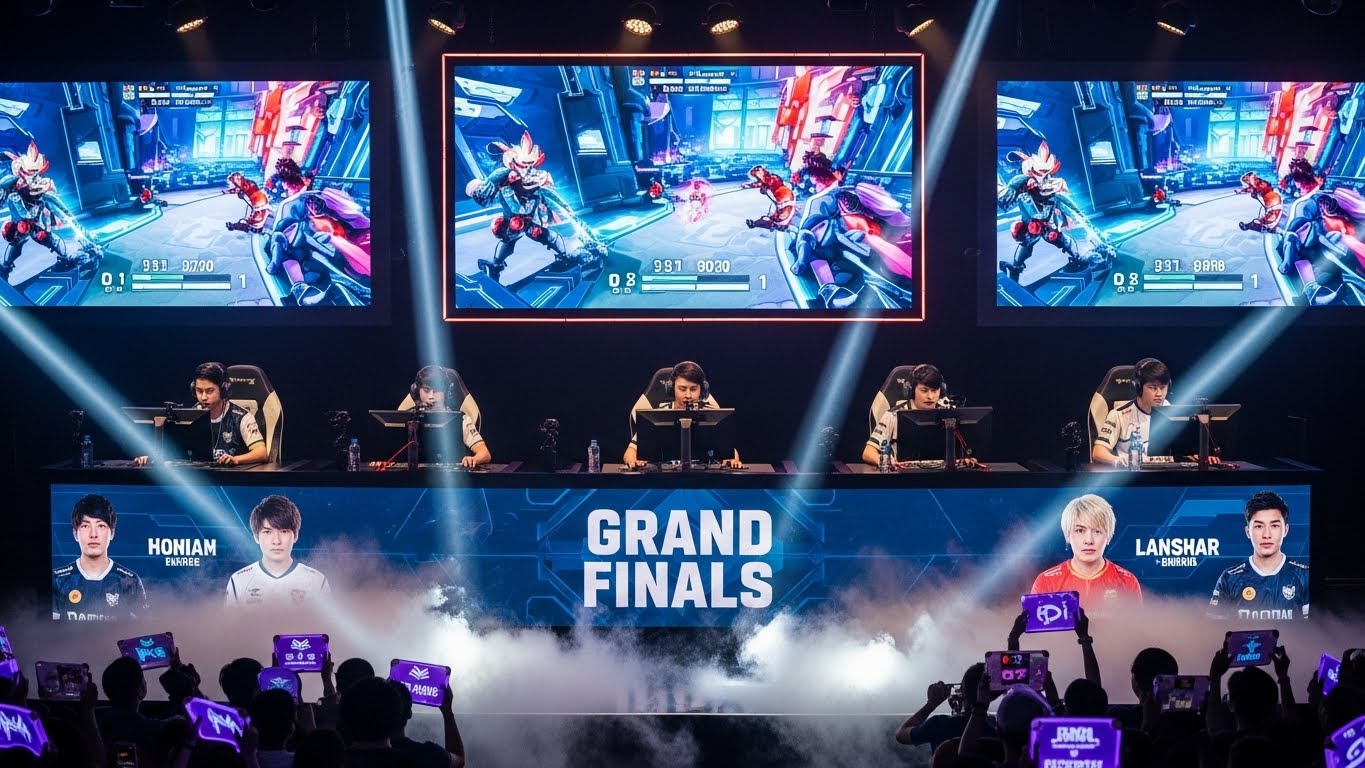
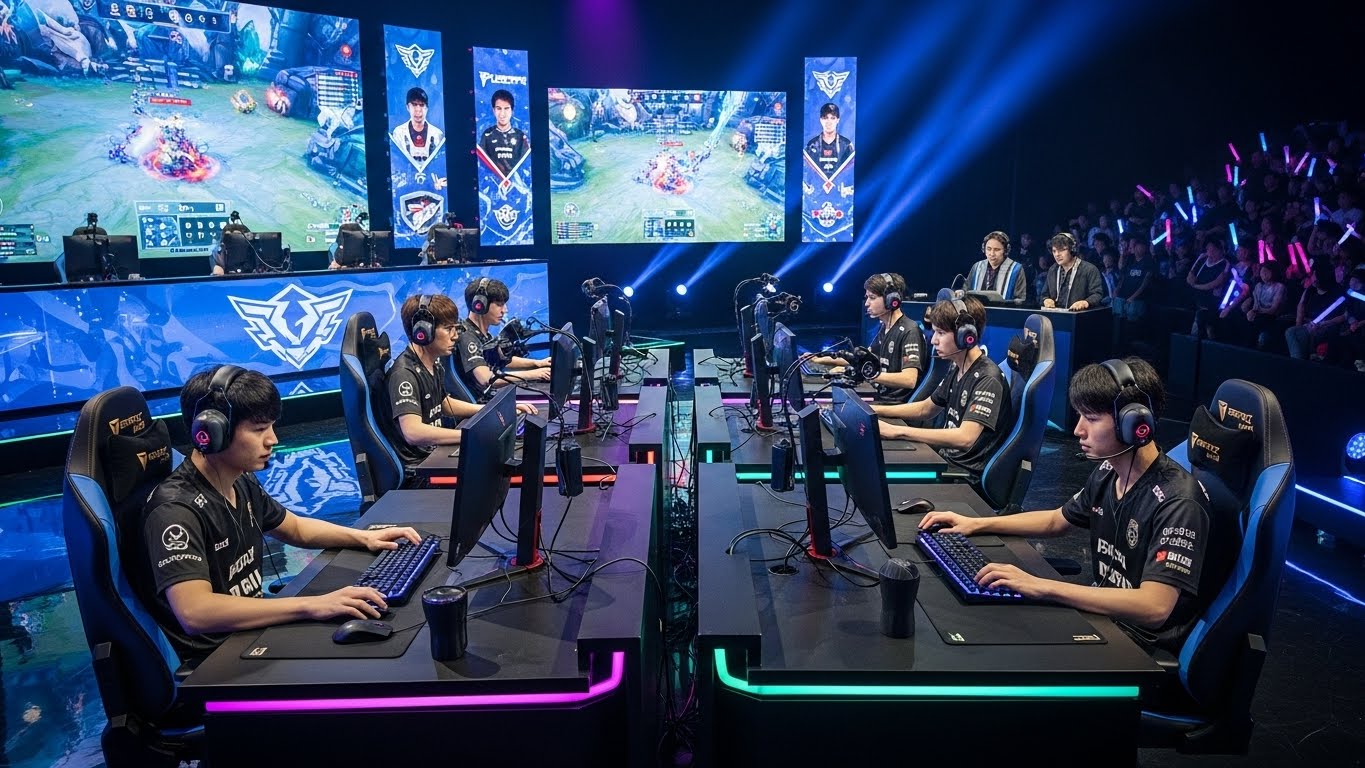
Esports, short for electronic sports, represents one of the most astonishing transformations in modern entertainment. What began as small-scale gaming competitions among friends or university students has grown into a global industry, blending technology, culture, and competition on an unprecedented scale. Today, esports commands millions of viewers, billion-dollar investments, and professional players who have become household names.
This transformation didn’t happen overnight—it’s the product of decades of innovation, community building, and cultural change. Understanding the rise of esports requires exploring its roots, its explosive growth, and the technological, social, and economic forces that propelled it into mainstream recognition.
The Origins of Esports: From Arcade Machines to LAN Parties
The earliest days of esports can be traced back to the late 1970s and early 1980s, when video games were first emerging as a cultural phenomenon. Arcade machines became social hubs where players competed for high scores in games like Space Invaders, Pac-Man, and Donkey Kong. The concept of competitive gaming was simple—achieve the highest score and earn bragging rights.
The first recognized gaming competition took place in 1972 at Stanford University, where students competed in the game Spacewar! for a year’s subscription to Rolling Stone magazine. While modest in scale, it marked the beginning of organized video game competition.
By the 1990s, the advent of home consoles and personal computers led to a new era of multiplayer gaming. Titles such as Street Fighter II, Quake, and StarCraft became staples of early competitive play. LAN (Local Area Network) parties allowed players to connect computers directly, fostering community-based competitions that were the precursors to today’s massive esports tournaments.
The Internet Age: Connecting Players Across the Globe
The late 1990s and early 2000s were pivotal for esports. The widespread adoption of the internet enabled players to compete without geographical barriers. Games like Counter-Strike, Warcraft III, and StarCraft: Brood War thrived in this environment, laying the foundation for global online competition.
South Korea emerged as the first true esports powerhouse during this period. The country’s investment in high-speed internet infrastructure and its gaming culture led to the birth of professional gaming leagues. Television channels began broadcasting matches, and players achieved celebrity status. StarCraft, in particular, became a national obsession, solidifying South Korea’s reputation as the birthplace of modern esports.
Meanwhile, Western countries saw the rise of tournaments such as the Cyberathlete Professional League (CPL) and World Cyber Games (WCG), which helped legitimize esports as a serious competitive activity.
The 2010s: The Esports Explosion
The 2010s marked a period of explosive growth for esports, driven by advancements in streaming technology, social media, and game development. Platforms like Twitch and YouTube Gaming allowed anyone to broadcast or watch matches live, revolutionizing how audiences consumed esports content.
Major game developers began to recognize the potential of competitive gaming and invested heavily in building esports ecosystems around their titles. Riot Games’ League of Legends, Valve’s Dota 2, and Blizzard’s Overwatch became cornerstones of the industry, each with structured leagues, massive prize pools, and loyal fanbases.
The League of Legends World Championship and The International (Dota 2) became annual global spectacles, drawing millions of viewers and offering multi-million-dollar prizes. Esports began to rival traditional sports in viewership, signaling a cultural shift where gaming was no longer niche—it was mainstream entertainment.
The Business of Esports: An Industry Worth Billions
The rapid rise of esports transformed it into a multi-billion-dollar industry encompassing sponsorships, advertising, media rights, merchandise, and live events. Major brands such as Coca-Cola, Intel, Nike, and Red Bull entered the scene, sponsoring tournaments and teams.
Esports organizations like Team Liquid, Fnatic, Cloud9, and T1 evolved into professional entities with dedicated management teams, player development programs, and global fan bases. These organizations mirrored traditional sports franchises, complete with training facilities, coaches, and support staff.
Franchised leagues, such as the Overwatch League and the Call of Duty League, took the industry to a new level by introducing structured seasons and city-based teams, much like the NBA or NFL. This not only legitimized esports further but also provided long-term financial stability for teams and players alike.
Esports Athletes: The New Generation of Competitors
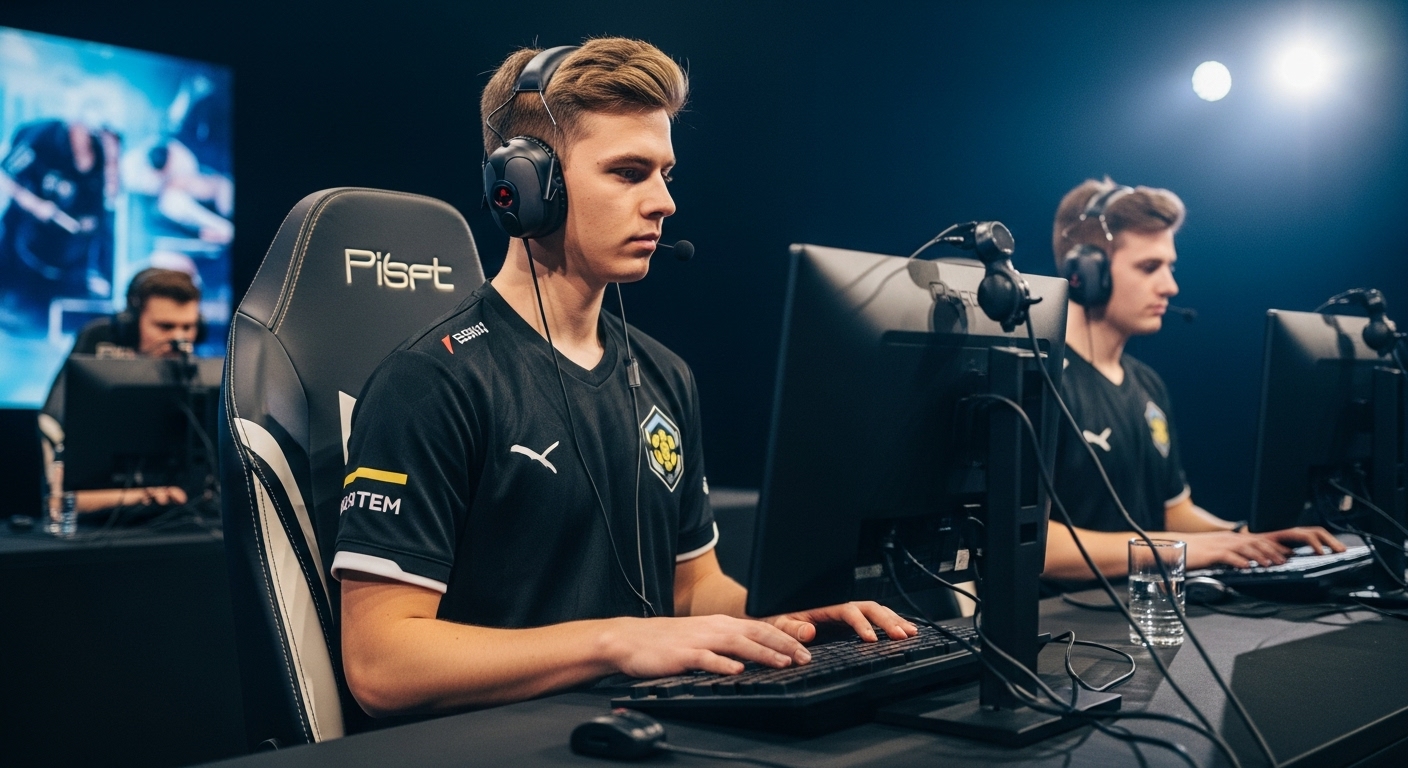
Gone are the days when gaming was dismissed as a mere hobby. Esports athletes now train as rigorously as traditional sports players. Their daily routines often involve hours of gameplay, strategy sessions, physical exercise, and mental conditioning. Reaction speed, teamwork, communication, and decision-making under pressure are crucial skills in esports competition.
Players such as Faker from League of Legends, s1mple from Counter-Strike: Global Offensive, and Bugha from Fortnite have become global icons. Their achievements inspire millions of aspiring gamers and challenge outdated stereotypes about gaming and productivity.
However, the intense nature of competition brings challenges—burnout, mental health struggles, and short career spans. Organizations are increasingly recognizing the need for player welfare programs to ensure long-term sustainability in esports careers.
The Role of Technology in Shaping Esports
Technology is the backbone of esports. Every advancement—from faster internet speeds to better graphics processing—has shaped how the games are played and viewed. Cloud gaming, virtual reality, and artificial intelligence are now influencing the future of competitive play.
High-definition streaming, instant replays, and live commentary make esports accessible to global audiences. Advanced analytics tools allow coaches and players to study performance in detail, much like data analytics in traditional sports.
Virtual reality and augmented reality are beginning to blur the lines between digital and physical competition, creating immersive experiences for both players and fans. As these technologies mature, they may redefine what competitive gaming looks like in the coming decade.
Cultural Impact: Esports as a Social Phenomenon
Esports is more than competition—it’s culture. It influences fashion, music, entertainment, and even education. Esports-inspired clothing lines, documentaries, and music collaborations have become common, bridging the gap between gaming and mainstream culture.
Universities worldwide now offer scholarships for esports players, while academic programs explore the business and management side of the industry. Esports arenas, once a novelty, have become iconic landmarks hosting thousands of live spectators.
Socially, esports has connected people across borders. Online communities foster friendships and rivalries that transcend geography, language, and culture. For many, esports serves as both entertainment and belonging—a shared digital space where passion and skill unite millions.
The Evolution of Esports Genres
Different game genres dominate various corners of the esports ecosystem. Each has its unique audience, rules, and style of play.
1. Multiplayer Online Battle Arenas (MOBAs)
Games like League of Legends and Dota 2 define the MOBA genre. They emphasize strategy, teamwork, and real-time decision-making. MOBAs often feature large tournaments with some of the biggest prize pools in esports history.
2. First-Person Shooters (FPS)
Counter-Strike, Call of Duty, Valorant, and Overwatch represent the FPS side of esports. These games demand precision, reflexes, and tactical coordination. FPS titles often dominate Western esports scenes due to their accessibility and action-driven gameplay.
3. Battle Royale Games
The rise of Fortnite, PUBG, and Apex Legends introduced a new competitive format where survival is key. These games combine strategy, exploration, and fast-paced combat, appealing to younger audiences.
4. Sports Simulations
Games like FIFA, NBA 2K, and Madden NFL bridge the gap between virtual and real-world sports, attracting fans of both gaming and traditional athletics.
5. Fighting Games
Titles such as Street Fighter, Tekken, and Super Smash Bros. maintain a loyal global following. The fighting game community emphasizes skill, mastery, and grassroots tournaments, keeping the spirit of early arcade competitions alive.
Esports Broadcasting and Media Presence
Broadcasting has played a pivotal role in esports growth. Professional commentators, known as casters, bring energy and insight to matches, transforming gameplay into a full-fledged spectator sport. Major tournaments now feature professional production teams, multiple camera angles, live statistics, and cinematic visuals.
Traditional sports networks, including ESPN and Sky Sports, have aired esports events, further legitimizing the industry. Meanwhile, streaming platforms have democratized access, allowing anyone—from casual fans to aspiring professionals—to engage with esports content anytime, anywhere.
The Globalization of Esports
Esports transcends national boundaries. While South Korea pioneered professional gaming, regions like China, North America, and Europe have become powerhouses in their own right.
China’s massive population and technological infrastructure have fueled an esports boom, with the government recognizing it as an official profession. In the West, countries like the United States and Germany have embraced esports through college leagues and corporate sponsorships.
Meanwhile, emerging regions such as Southeast Asia, the Middle East, and Africa are witnessing rapid esports growth thanks to mobile gaming. Titles like Mobile Legends and PUBG Mobile have made competitive gaming accessible even in regions where high-end PCs or consoles are less common.
Esports and Education: A New Frontier
The inclusion of esports in educational institutions marks a groundbreaking shift. Schools and universities have established esports programs to teach students about teamwork, digital literacy, and industry management.
Esports scholarships offer opportunities for talented players to pursue higher education while competing at the collegiate level. Beyond gameplay, academic programs focus on event management, marketing, and game design, preparing students for diverse careers within the industry.
The educational recognition of esports signifies a broader societal acceptance of gaming as a legitimate and valuable pursuit.
Challenges Facing the Esports Industry
Despite its growth, esports faces several challenges that must be addressed for continued success.
1. Player Health and Longevity
Professional gaming is physically and mentally demanding. Extended screen time, repetitive strain injuries, and stress are common issues. Organizations are now investing in mental health resources and physical training for players.
2. Financial Stability
While top players earn substantial incomes, many lower-tier competitors struggle financially. Revenue distribution in the industry remains uneven, and sustainability for smaller teams and tournaments is still a concern.
3. Regulation and Governance
Esports lacks a universal governing body. This absence can lead to inconsistent rules, match-fixing scandals, and contract disputes. The industry is gradually working toward standardized regulations to ensure fairness and transparency.
4. Inclusivity and Diversity
The esports community continues to grapple with gender disparity and toxicity. Efforts to create more inclusive environments are growing, with women’s tournaments, diversity initiatives, and awareness campaigns paving the way for change.
The Future of Esports: Innovation and Integration
The future of esports looks promising, with continuous innovation driving its expansion. Integration with emerging technologies will redefine the viewing and playing experience.
Artificial intelligence could assist in real-time analysis and coaching. Virtual and augmented reality may bring immersive spectator experiences. Blockchain technology and digital collectibles might revolutionize player rewards and fan engagement.
Moreover, as traditional sports organizations invest in esports teams, the line between digital and physical sports will continue to blur. The Olympic movement has already taken interest, hosting esports exhibitions alongside official games, hinting at possible inclusion in the future.
Conclusion: The Power of Play in the Digital Age
Esports is not just about gaming—it’s about passion, community, and evolution. It embodies the spirit of competition, creativity, and connection in the digital era. From dimly lit arcades to grand arenas filled with cheering fans, esports has journeyed from the fringes of entertainment to the forefront of global culture.
The rise of esports reflects how far technology and society have come together. It shows that human competition, regardless of the medium, thrives when fueled by dedication and imagination. The next generation will likely see esports not as an alternative to sports—but as an integral part of our shared cultural landscape.