Introduction: The Birth of a New Kind of Sport
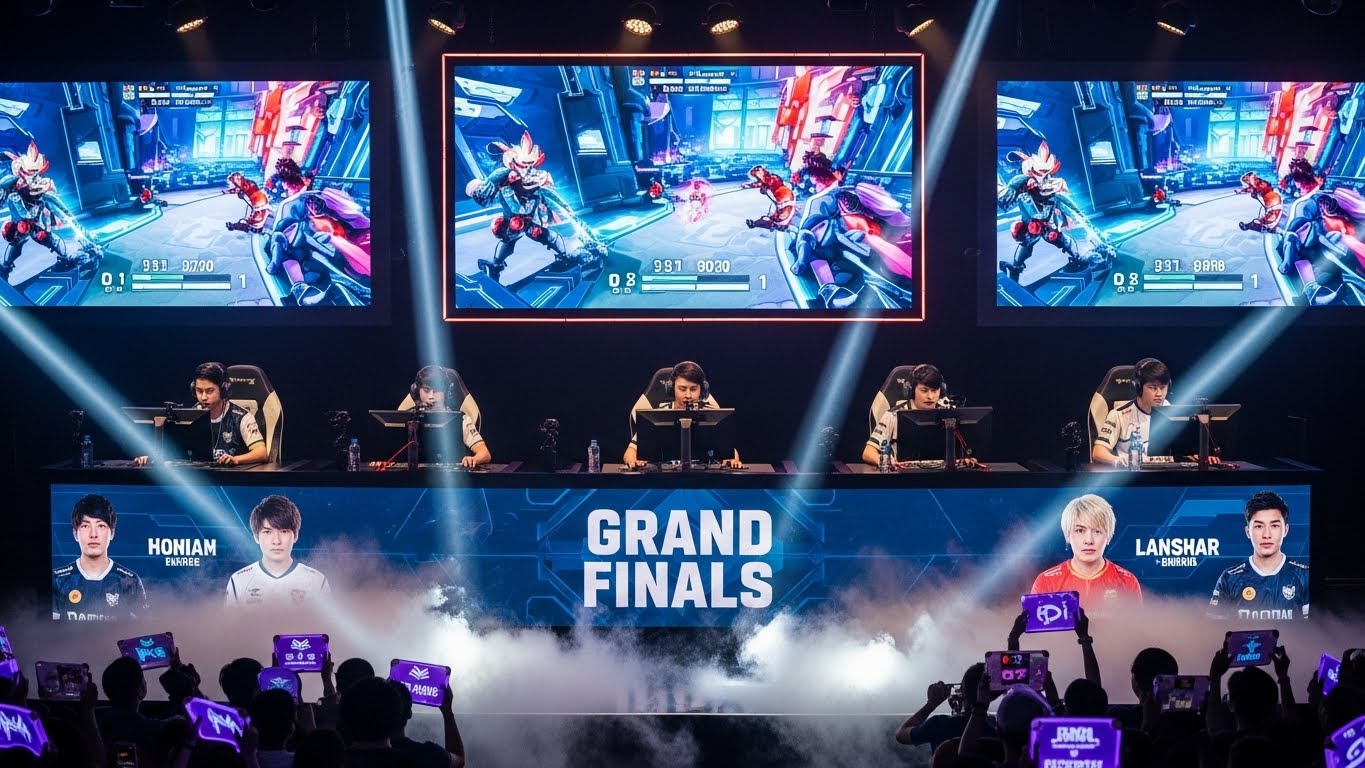
Once upon a time, sports were all about physical arenas, stadium crowds, and athletic endurance. Today, a new kind of sport has emerged—one that exists within screens yet commands the same passion and prestige as traditional athletics. This is the world of esports, where digital warriors compete in virtual battlegrounds for glory, fame, and fortune. What began as small gaming tournaments among enthusiasts has evolved into a billion-dollar global industry that challenges our definition of sports and competition.
The Evolution of Competitive Gaming
The journey of esports began decades ago with arcade machines and early computer games. In the 1980s, simple competitions around games like Space Invaders and Pac-Man drew attention. The 1990s brought multiplayer PC gaming with titles such as Doom, Quake, and StarCraft, where LAN tournaments began to emerge. But it was the 2000s and beyond that transformed gaming into a professional pursuit. The advent of high-speed internet, live streaming, and powerful gaming hardware created a foundation for global connectivity and competition. Today, esports encompasses a vast range of genres—from first-person shooters to real-time strategy and battle royale games—each with its own professional leagues and international championships.
The Rise of the Esports Industry
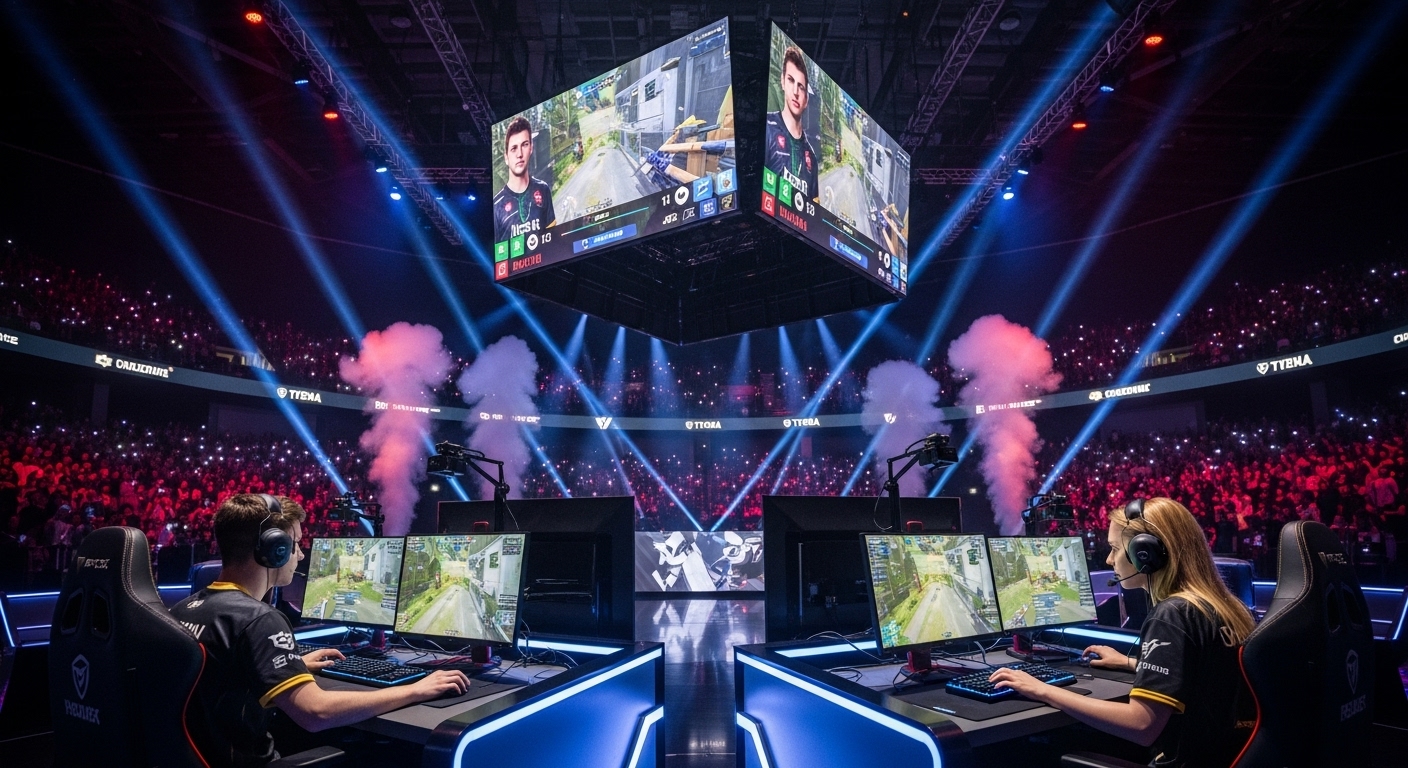
The esports industry’s growth has been phenomenal. What was once seen as a pastime has now become a full-fledged career path for thousands of professional gamers, coaches, broadcasters, and analysts. Major tournaments offer prize pools reaching millions of dollars, often rivaling or surpassing traditional sports events. Sponsorship deals, brand endorsements, and media rights have turned esports into an entertainment juggernaut. Big corporations are investing heavily in teams and organizations, recognizing the massive potential of the digital audience that spans continents and cultures. The line between sports, entertainment, and technology continues to blur as esports secures its place on the global stage.
Esports Athletes: The New Generation of Competitors
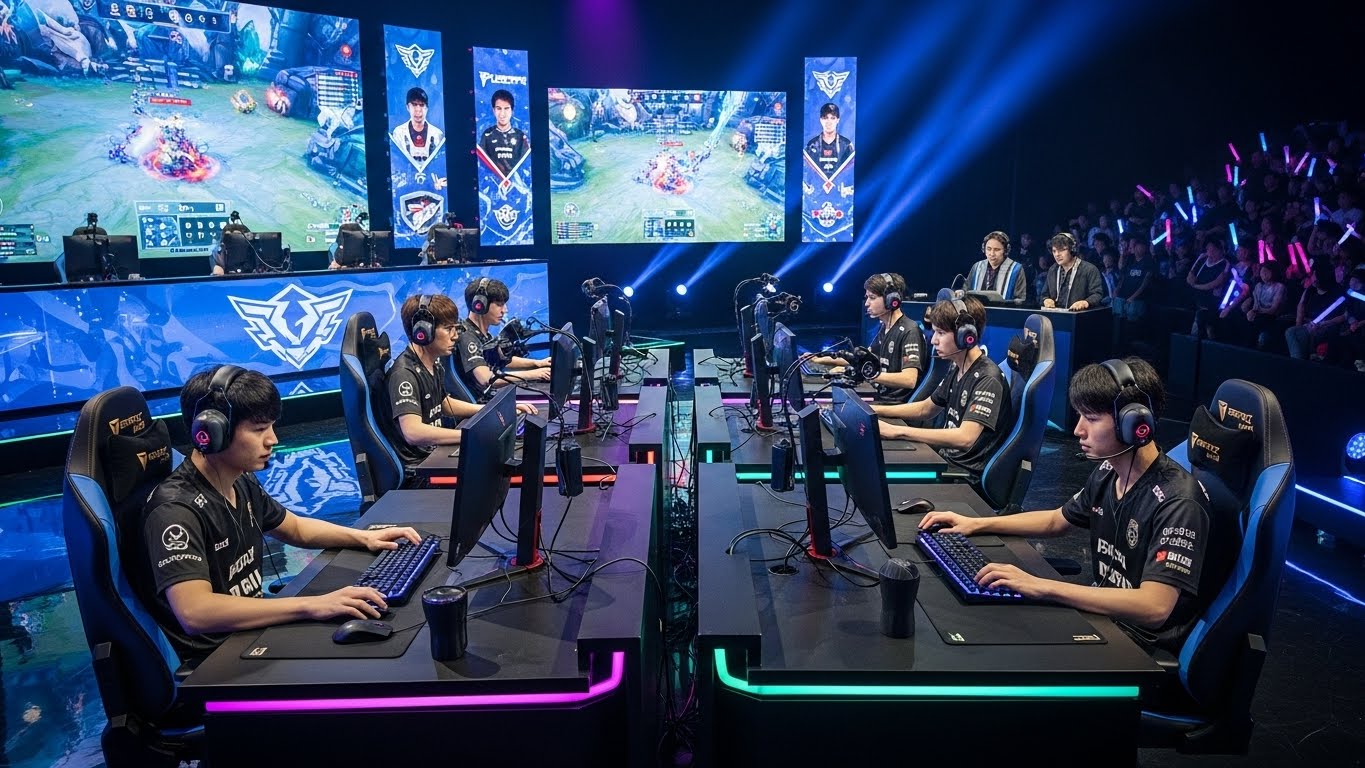
Gone are the days when gaming was dismissed as a hobby for teenagers in basements. Today’s professional gamers are highly trained athletes in their own right. They maintain rigorous schedules filled with practice sessions, strategy meetings, fitness training, and even mental conditioning. Reflexes, coordination, communication, and quick decision-making are their core skills. Just as footballers study plays and basketball players practice shots, esports players analyze gameplay footage, adapt to opponents, and continuously refine their mechanics. Many players begin training at a young age, joining talent academies or amateur teams before breaking into professional circuits.
The Role of Technology in Esports Development
Technology has been the driving force behind the success of esports. Advanced gaming PCs, high-refresh-rate monitors, responsive peripherals, and low-latency networks have made competitive gaming smoother and more immersive. Cloud computing and streaming services have made it possible for audiences around the world to tune in live. Platforms for streaming and live broadcasting have created new stars and communities. Virtual reality and augmented reality are also being explored, promising even more interactive and physically engaging esports experiences. The ongoing evolution of artificial intelligence, motion tracking, and immersive graphics ensures that the boundaries of esports are constantly expanding.
The Global Appeal and Cultural Impact
Esports has transcended geographic and cultural boundaries, becoming a universal form of entertainment. Players from different parts of the world can compete against one another in real time, fostering a sense of global connection. Countries like South Korea, China, the United States, and many in Europe have become esports powerhouses, nurturing generations of players and fans. Esports has also influenced pop culture, with gaming references appearing in movies, music, and fashion. The rise of esports celebrities has introduced new icons for younger generations—figures who inspire through digital prowess rather than physical strength.
Education and Career Opportunities in Esports
Esports is not limited to players alone. The industry offers a variety of career paths that blend creativity, strategy, and technology. Game designers, software developers, event organizers, shoutcasters, marketing specialists, and content creators all play vital roles in the ecosystem. Educational institutions have started recognizing the significance of esports, offering specialized courses, scholarships, and degree programs. These initiatives not only validate esports as a legitimate discipline but also prepare the next generation to navigate the professional side of gaming, from management to production.
Health, Discipline, and the Esports Lifestyle
While esports may not require running laps or lifting weights, it demands both physical and mental endurance. Long gaming sessions can be taxing on the body, leading to issues like eye strain, posture problems, or repetitive strain injuries if not managed carefully. Recognizing this, professional teams employ trainers, nutritionists, and psychologists to ensure overall wellness. Mental focus, emotional balance, and teamwork are essential traits. The discipline and structure within professional gaming environments often surprise those who perceive gaming as casual entertainment. Maintaining peak performance requires a healthy lifestyle, much like traditional sports.
The Economics Behind Esports
Money flows through esports in multiple channels. Revenue comes from advertising, sponsorships, merchandise sales, media rights, and ticketed live events. Gaming publishers play a central role by organizing official tournaments and maintaining competitive ecosystems. Meanwhile, independent organizers host third-party competitions that attract global participants. The audience for esports includes millions of viewers worldwide who watch tournaments live or through digital platforms. As viewership grows, so does investment. This economic cycle continues to strengthen esports’ status as a legitimate entertainment industry comparable to movies, television, and traditional sports leagues.
Esports and Traditional Sports: A Converging Future
Rather than competing, esports and traditional sports are beginning to complement each other. Major sports organizations are launching their own esports divisions, and many athletes are investing in gaming teams. Both industries share core values—competition, strategy, teamwork, and passion. Furthermore, esports provides a platform for sports fans to engage with digital experiences that mirror their favorite real-world activities. Football, basketball, and racing simulations have become virtual equivalents of traditional leagues. The mutual influence between these domains is reshaping how fans experience sports as a whole.
Women in Esports: Breaking Barriers and Building Representation
The esports world, once dominated by male players, is now witnessing the rise of talented women breaking barriers and gaining recognition. Female gamers, streamers, and team managers are proving that skill and strategy transcend gender. Inclusive initiatives and mixed-gender tournaments are gradually reshaping perceptions within the community. Representation matters, and as more women enter the professional scene, they inspire others to pursue their passion without bias or limitation. The growing inclusivity in esports symbolizes progress toward a more balanced and equitable gaming culture.
The Role of Community and Fan Engagement
Esports thrives on community interaction. Fans are not just spectators—they are active participants who engage through social media, live chats, and fan art. The sense of belonging within gaming communities creates a unique culture of loyalty and enthusiasm. Esports fans follow their favorite teams with the same intensity as traditional sports followers, celebrating victories and debating strategies. This digital ecosystem has also given rise to grassroots movements and amateur leagues, encouraging aspiring players to showcase their talents and build careers from the ground up.
Challenges Facing the Esports Industry
Despite its rapid rise, esports faces several challenges. Issues like player burnout, match-fixing, cheating, and lack of regulation can threaten the integrity of competitions. Additionally, balancing commercialization with the spirit of fair play remains a constant concern. Young players entering the scene often struggle with career stability and mental health due to pressure and high expectations. However, the industry is adapting by introducing player associations, standardized contracts, and ethical frameworks to safeguard its future. Addressing these issues responsibly will determine the long-term sustainability of esports as a global sport.
The Future of Esports: Beyond the Screen
The future of esports looks bright and boundless. With advancements in virtual reality, artificial intelligence, and cloud gaming, the next era of esports may merge physical and digital realities in unprecedented ways. Virtual arenas may soon allow players to experience the thrill of competition in 3D immersive environments. Esports could also become an Olympic discipline, showcasing digital athletes alongside traditional ones. As technology and creativity continue to evolve, esports will keep breaking limits, shaping how humans define entertainment, skill, and competition.
Conclusion: The Legacy of the Digital Athlete
Esports is more than just a trend—it is a reflection of our digital age. It unites people across cultures, celebrates talent, and demonstrates that passion and dedication can manifest in new forms beyond the physical world. Whether one is a player, a fan, or an observer, esports offers a glimpse into the future of global connection and competition. The digital athlete stands as a symbol of modern ambition—a testament to how technology and human creativity can come together to create something extraordinary. The arena may be virtual, but the emotions, achievements, and dreams it inspires are as real as any in the history of sport.