Introduction: The Digital Revolution of Competition
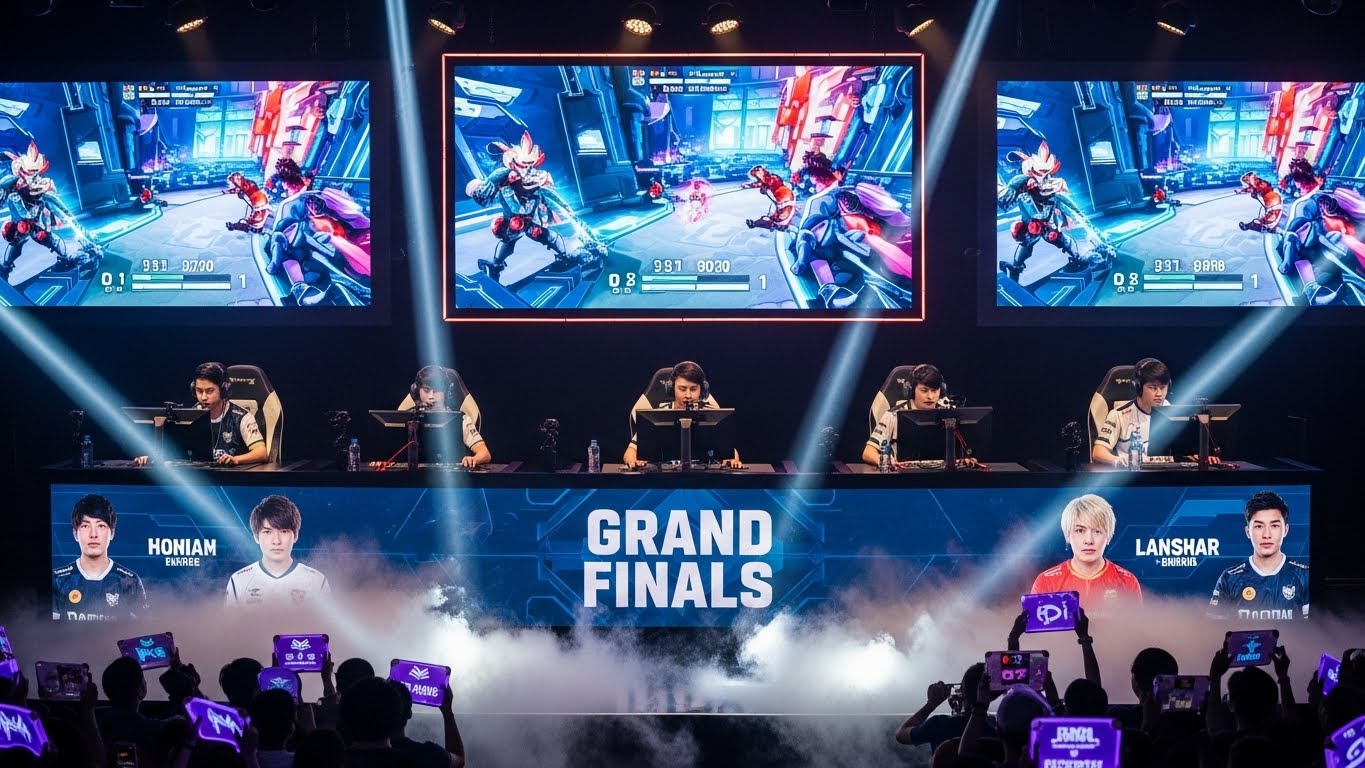
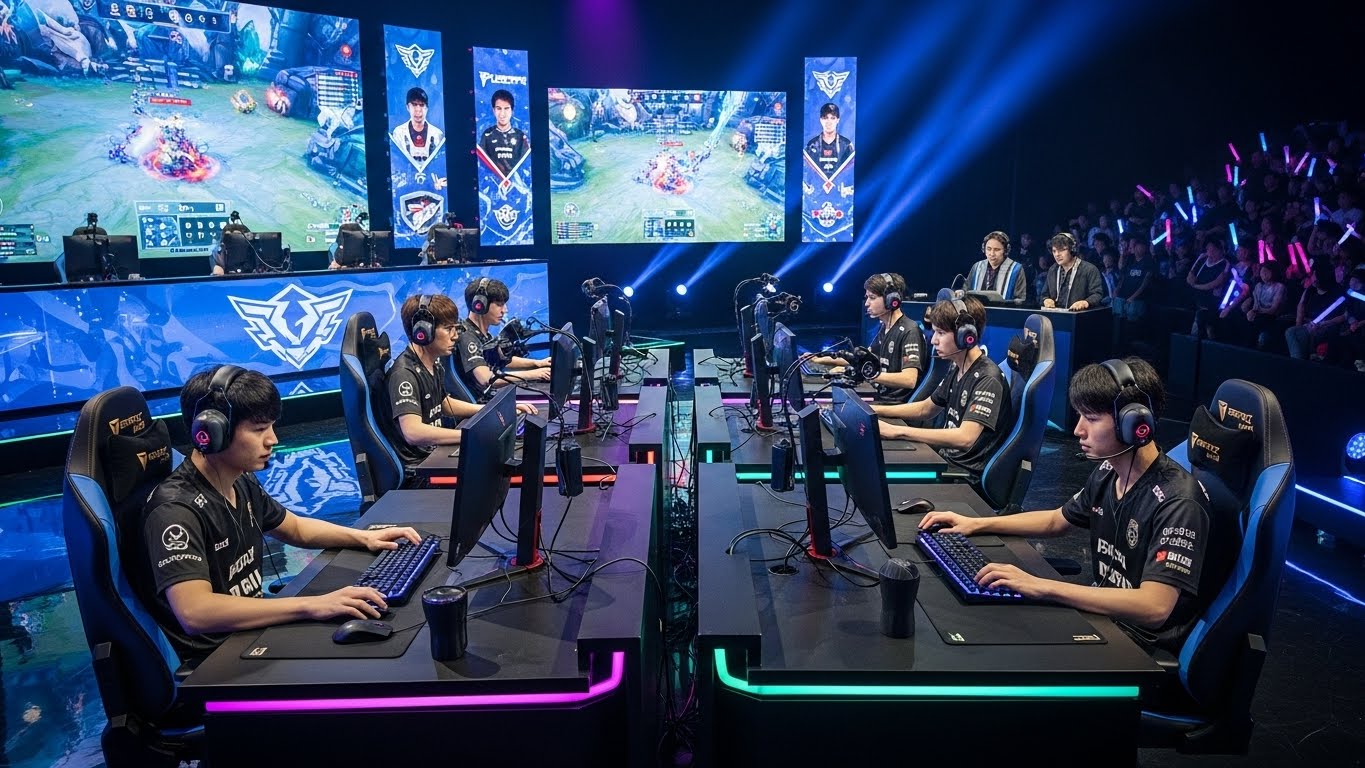
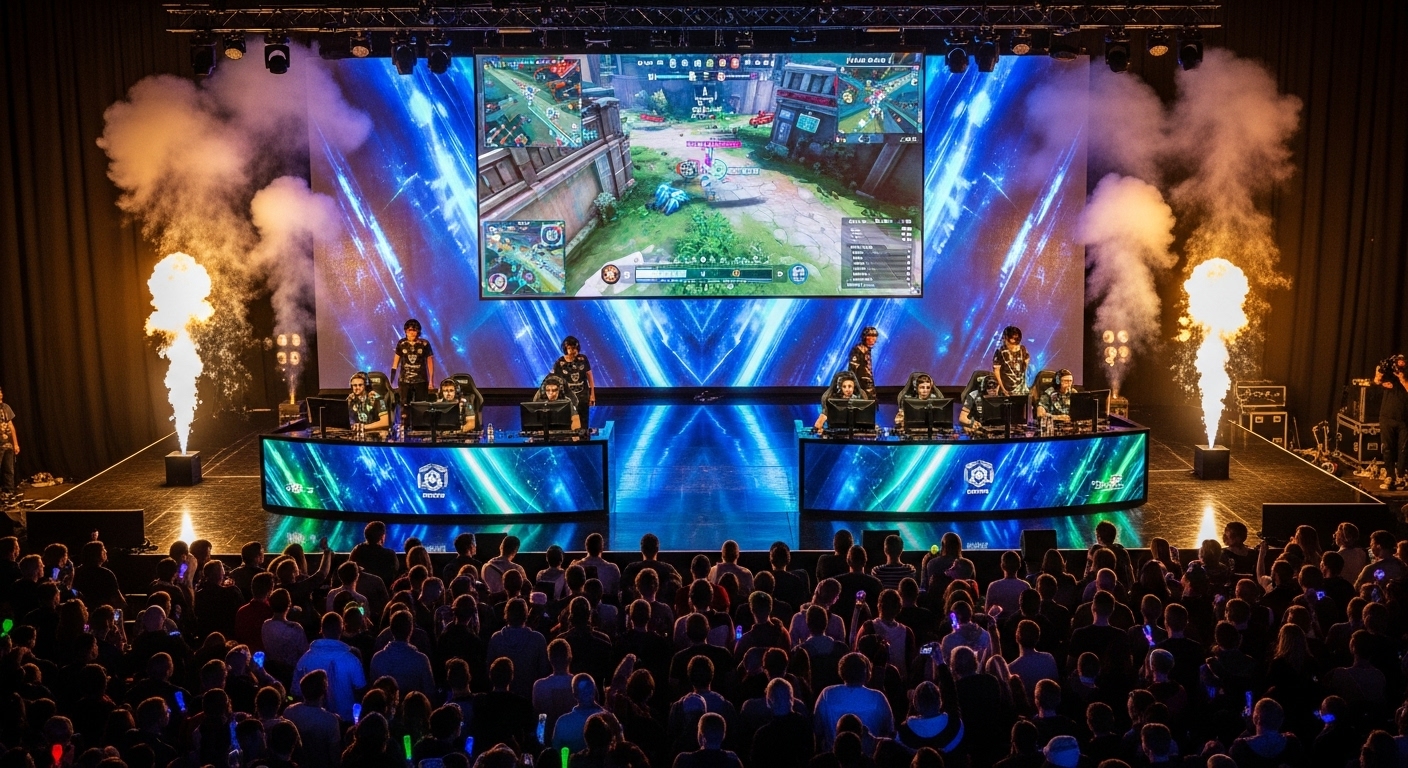
Over the past two decades, the gaming world has transformed from a small community of enthusiasts into one of the fastest-growing entertainment industries in history. This revolution has a name that now echoes across arenas, classrooms, and even Olympic committees: esports. What began as friendly local competitions between passionate gamers has become a multi-billion-dollar ecosystem where professional players, organizations, sponsors, and fans converge to celebrate skill, strategy, and spectacle. Esports is no longer just about playing games; it’s about redefining what competition looks like in the digital age.
The Roots of Competitive Gaming
Long before esports became a global powerhouse, its roots were quietly spreading through arcades and basements. The early days of gaming in the 1980s and 1990s saw players competing for high scores in titles like Pac-Man, Donkey Kong, and Street Fighter. These competitions were simple but meaningful — they represented pride, mastery, and community. However, the technology of the time limited the potential scale of these events. As internet connectivity improved, gaming transitioned from local experiences to global networks, and suddenly, players could challenge opponents halfway across the world.
By the late 1990s, games like StarCraft in South Korea, Counter-Strike in Europe, and Quake in the United States had already started to build competitive followings. South Korea, in particular, played a pivotal role in shaping esports into a legitimate industry. Internet cafés, known as PC bangs, became cultural hubs where young players could train, compete, and socialize. The government’s early investment in broadband infrastructure allowed the nation to lead the world in competitive gaming, making professional gamers household names long before other countries caught on.
The Early Tournaments and the Birth of Esports Culture
The 2000s saw a dramatic shift as competitive gaming began to professionalize. Events like the Cyberathlete Professional League (CPL), the Electronic Sports World Cup (ESWC), and the World Cyber Games (WCG) emerged, offering structured tournaments and cash prizes. These competitions laid the groundwork for what would later become a thriving global circuit.
With the rise of online streaming and digital broadcasting, fans were no longer limited to attending events in person. Platforms like Justin.tv (which later became Twitch) enabled anyone with an internet connection to watch professional matches in real time. This democratization of viewership turned esports into a spectator sport accessible to millions. Suddenly, professional players weren’t just gamers; they were entertainers and influencers, capable of drawing audiences that rivaled traditional sports broadcasts.
The culture surrounding esports began to mature as well. Teams formed organizations, coaches developed training regimens, and analysts dissected strategies with the same intensity as traditional sports pundits. Competitive gaming evolved into a full-fledged career path, with young players aspiring to join the ranks of elite teams like Fnatic, SK Telecom T1, or Team Liquid. The community that once gathered in dimly lit LAN centers had now found its spotlight on global stages.
The Explosion of Major Titles
The 2010s were the decade that truly catapulted esports into the mainstream. This era saw the emergence of titles that defined entire generations of competitive gamers. League of Legends, Dota 2, and Counter-Strike: Global Offensive became household names, each with their own ecosystems, professional leagues, and iconic tournaments.
League of Legends, developed by Riot Games, deserves special mention for its role in popularizing esports. Its annual World Championship attracted millions of viewers worldwide, breaking records year after year. Dota 2’s The International became famous for its massive prize pools, fueled by crowdfunding from its passionate fan base. Meanwhile, shooters like CS:GO and Overwatch brought high-paced tactical competition to mainstream audiences, blending teamwork, communication, and precision in ways that captivated viewers from every background.
Beyond the PC platform, console esports also saw massive growth. Games like Call of Duty, Halo, and FIFA established competitive circuits, while mobile esports began gaining traction with titles such as PUBG Mobile and Mobile Legends, especially in regions like Southeast Asia and India. The diversity of games available meant that esports could appeal to nearly every demographic, from strategy enthusiasts to sports simulation fans.
The Rise of Streaming and Content Creation
One of the most defining features of modern esports is its integration with content creation. The rise of Twitch, YouTube Gaming, and other streaming platforms transformed how audiences interact with professional gaming. Esports was no longer confined to official tournaments; fans could now follow their favorite players in real time, watching them practice, experiment, and even share personal moments off the stage.
This shift blurred the lines between athlete and entertainer. Top players like Faker, Ninja, and s1mple became not only champions but cultural icons. They leveraged their platforms to build personal brands, attract sponsorships, and influence gaming culture at large. In many ways, esports streaming represented the fusion of sports, entertainment, and social media into a single, powerful ecosystem.
Moreover, streaming created opportunities for grassroots players to break into the professional scene. Aspiring competitors could showcase their skills to a global audience, attracting the attention of teams and scouts. The open accessibility of streaming also helped diversify the industry, giving rise to communities centered around inclusivity, education, and creative expression.
The Business of Esports
Esports today is a multi-billion-dollar industry, with revenue streams spanning sponsorships, media rights, ticket sales, and merchandise. Major corporations such as Coca-Cola, Intel, and Red Bull have invested heavily in the space, recognizing its potential to reach younger audiences. Game publishers themselves have taken a more active role, developing structured leagues like the Overwatch League and the League of Legends Championship Series (LCS) that mirror the organization of traditional sports leagues.
Franchising models, player salaries, and professional management have become standard in the top tiers of competition. Players now have agents, nutritionists, and sports psychologists to ensure peak performance. Esports organizations like Cloud9, G2 Esports, and T1 operate as sophisticated businesses, managing multiple rosters across different games, negotiating brand deals, and building international fan bases.
The economics of esports extend far beyond the competition itself. Cities around the world have begun investing in esports arenas, training facilities, and universities that offer esports degrees. Streaming platforms and tournament organizers generate massive advertising revenue, while content creators and influencers drive engagement across social media. Esports has proven to be not just an entertainment industry but a cultural and economic movement.
The Globalization of Esports
Esports transcends geographical boundaries in ways that traditional sports can’t always replicate. While soccer and basketball may dominate specific regions, esports enjoys a universal appeal driven by technology and online connectivity. Asia remains a powerhouse, particularly South Korea and China, where government support and infrastructure have fostered robust ecosystems. Europe and North America have developed thriving scenes, with growing audiences and professional leagues, while emerging regions such as the Middle East, South America, and Africa are rapidly catching up.
Global tournaments bring together players from dozens of countries, uniting fans under the banner of shared competition. The international nature of esports has also fostered cultural exchange, where players learn from diverse playstyles and communities. This global connectivity has made esports one of the most inclusive and borderless sports in the modern era.
The Evolution of Esports Infrastructure
Behind every successful esports event lies a complex network of technology and logistics. Modern tournaments require state-of-the-art production, broadcast capabilities, and reliable network infrastructure. High-performance gaming PCs, low-latency internet, and powerful software tools are essential for ensuring fairness and excitement.
Beyond hardware, the infrastructure of esports includes academies, scouting systems, and data analytics. Teams use advanced metrics to analyze performance, similar to how professional sports teams study statistics and game film. Virtual reality, AI coaching, and real-time data tracking are increasingly becoming part of training regimens, showing how deeply technology and performance science are intertwined in this industry.
Esports in Education
One of the most fascinating developments in recent years is the integration of esports into education. Schools and universities around the world have begun offering esports scholarships, recognizing that competitive gaming requires the same discipline, teamwork, and strategic thinking found in traditional sports. These programs not only focus on gameplay but also teach students about broadcasting, marketing, event management, and game design, preparing them for diverse careers within the gaming industry.
In addition, esports has proven to be a powerful tool for community building among students. It provides a sense of belonging and achievement for those who may not connect with traditional sports. As educators recognize the potential of gaming to foster collaboration, critical thinking, and problem-solving, esports continues to gain legitimacy in academic spaces.
The Social Impact of Esports
Esports has done more than entertain; it has changed lives. For many, gaming communities provide an escape, a career, or even a platform for advocacy. The inclusivity of esports has allowed individuals from all backgrounds to participate and excel. Charitable tournaments, mental health awareness campaigns, and diversity initiatives have found strong footing within the esports community.
However, like any growing industry, esports faces challenges. Issues such as burnout, toxic behavior, and lack of representation continue to be areas that require improvement. The conversation around player welfare has grown louder, leading to calls for better support systems and regulations. Many organizations now prioritize mental health programs and enforce codes of conduct to maintain professionalism and inclusivity.
The Role of Women in Esports
Historically, esports has been male-dominated, but that narrative is rapidly changing. Women are increasingly making their mark as players, casters, coaches, and executives. Female-focused tournaments and organizations are breaking barriers, while more inclusive policies are being implemented across leagues. Influential figures like Sasha Hostyn (Scarlett) in StarCraft II and Julia Kiran (Juliano) in CS:GO have paved the way for future generations.
The rise of women in esports represents a broader cultural shift toward equality and representation. The industry is beginning to understand that inclusivity isn’t just a moral imperative — it’s a key driver of growth and innovation. As more women and marginalized groups find their place in esports, the diversity of voices will only enrich the competitive and cultural landscape.
Esports and Traditional Sports: A Growing Synergy
While some initially viewed esports as competition for traditional sports, the reality has been far more collaborative. Many professional sports teams have invested in esports organizations, recognizing the potential for crossover audiences. The NBA, for example, launched the NBA 2K League, while soccer clubs like Paris Saint-Germain and Manchester City have established esports divisions.
This blending of worlds has opened up new possibilities for fan engagement. Traditional sports broadcasters now cover esports events, and major arenas that once hosted basketball or hockey games regularly transform into esports venues. The overlap between physical and digital sports continues to expand, suggesting a future where both coexist and complement one another.
The Path Toward the Olympics
One of the most debated topics in recent years has been whether esports should be included in the Olympic Games. The International Olympic Committee has already begun to acknowledge esports as a legitimate form of competition, hosting the Olympic Esports Week and exploring frameworks for official inclusion. While questions remain about game selection, governance, and commercialization, the dialogue itself underscores how far esports has come.
The inclusion of esports in the Olympic ecosystem would mark a symbolic moment — the full acceptance of digital competition as an equal to physical sports. It would also encourage global cooperation in standardizing regulations, promoting fair play, and fostering youth engagement through gaming.
The Future of Esports: Technology, Immersion, and Community
Looking ahead, the future of esports is poised for even greater evolution. Emerging technologies like virtual reality, augmented reality, and artificial intelligence are set to redefine how games are played and experienced. Spectators may soon find themselves virtually inside arenas, watching matches from the player’s perspective or interacting with live statistics in real time.
Blockchain technology and digital collectibles are also transforming how fans engage with esports. Teams are exploring ways to offer tokenized memberships, exclusive content, and decentralized fan experiences. Meanwhile, the continued rise of mobile gaming ensures that esports remains accessible to millions across developing regions, further expanding its reach and impact.
But perhaps the most important future trend is the strengthening of community. Esports thrives on connection — between players, fans, and creators. As long as that sense of shared passion remains, the industry will continue to evolve, adapt, and inspire.
Conclusion: The New Era of Competition
Esports is more than a trend; it is a reflection of how society has embraced digital culture as a legitimate form of human achievement. What began as small tournaments among friends has grown into a global network of competition, creativity, and collaboration. It bridges generations, languages, and borders, uniting millions in their love for games and the pursuit of excellence.
In the years ahead, esports will continue to shape entertainment, technology, and even education. Its impact reaches far beyond screens — it influences how we define success, teamwork, and innovation in the modern world. The story of esports is still being written, but one thing is certain: it has already earned its place among the great cultural movements of our time.