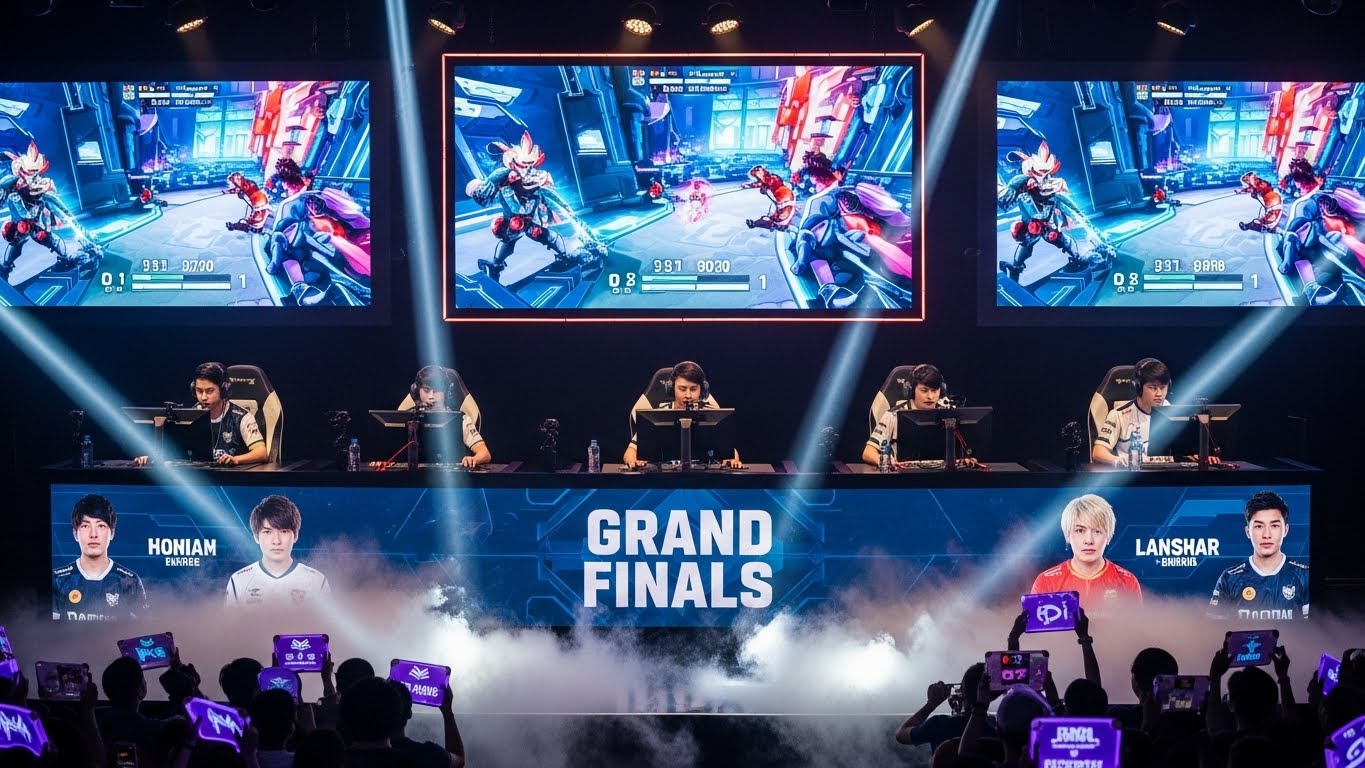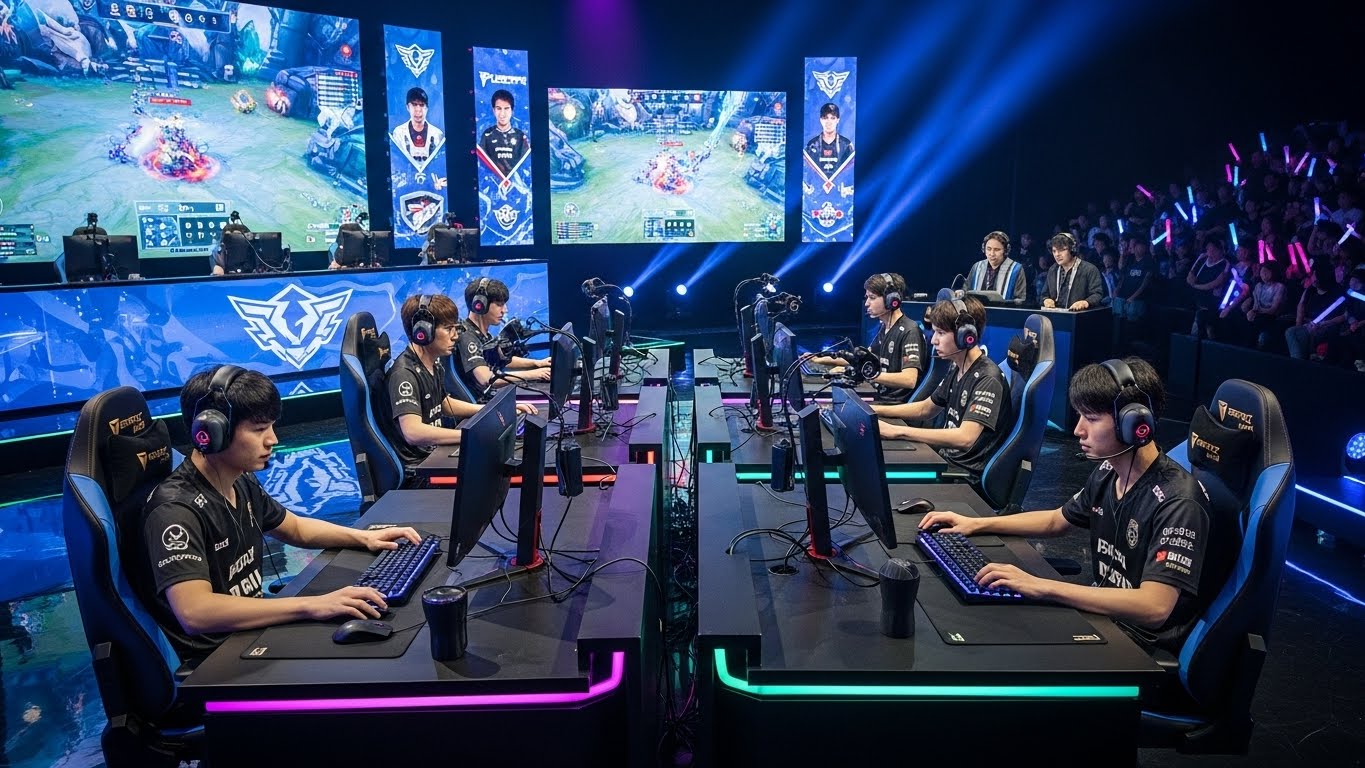
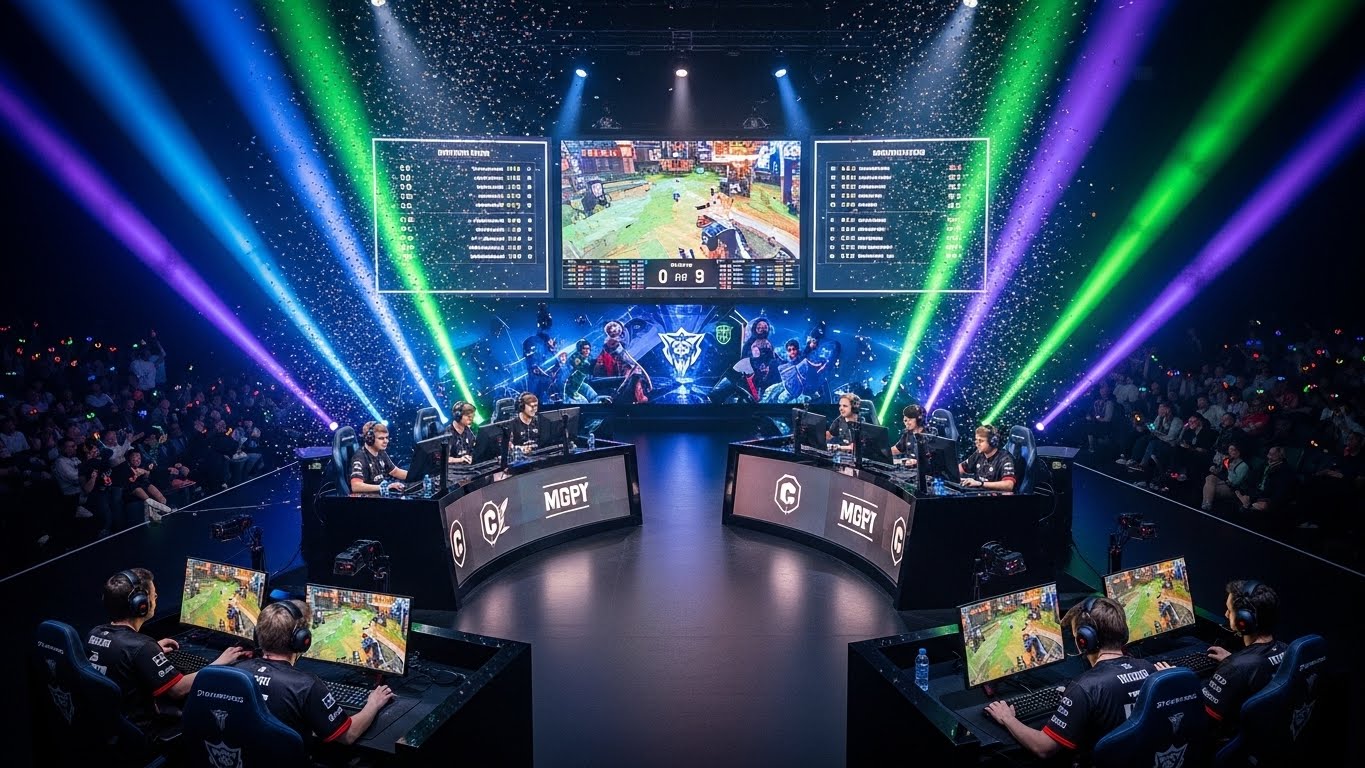
Esports has emerged as one of the most influential forces in modern entertainment, redefining how competition, skill, and sportsmanship are perceived in the digital age. Once dismissed as a casual pastime, competitive gaming has evolved into a professional ecosystem involving players, teams, leagues, sponsors, and millions of passionate fans. Esports now stands at the intersection of technology, culture, and sport, shaping a new generation of athletes and spectators alike.
Understanding Esports in the Modern World
Esports refers to organized, competitive video gaming where individuals or teams compete at professional or semi-professional levels. These competitions take place across various game genres and formats, often in structured leagues or tournaments. Unlike traditional gaming for leisure, esports emphasizes mastery, strategy, teamwork, and consistency. Players dedicate countless hours to training, studying opponents, and refining their skills to perform at elite levels.
What sets esports apart is its digital nature. Competition occurs in virtual environments, yet the emotions, pressure, and excitement mirror those found in traditional sports. Victory and defeat carry real consequences, including rankings, reputation, income, and career longevity.
The Historical Growth of Competitive Gaming
The roots of esports stretch back to early video game competitions in the late twentieth century. Small tournaments, often hosted in arcades or community centers, marked the earliest form of competitive gaming. As technology advanced and home gaming systems became widespread, competition expanded beyond physical locations.
The introduction of internet connectivity revolutionized esports. Online multiplayer gaming enabled players from different regions to compete instantly, fostering international rivalries and communities. Over time, structured leagues, professional teams, and large-scale tournaments emerged. What began as grassroots competition evolved into a global industry with professional standards, broadcasting, and fan engagement.
Popular Esports Genres and Competitive Formats
Esports encompasses a wide range of game genres, each offering unique competitive experiences. Strategy-based games emphasize planning, teamwork, and map control, while shooter games prioritize reflexes, precision, and communication. Fighting games test individual skill, timing, and psychological awareness, while sports simulation games replicate real-world athletic contests in digital form.
Competitive formats vary widely. Some esports rely on team-based play, requiring synchronized coordination and role specialization. Others focus on individual performance, where personal skill determines success. This diversity allows esports to appeal to a broad audience and accommodate different playstyles and personalities.
Skill, Training, and Discipline in Esports
Professional esports players are often compared to traditional athletes, and for good reason. Success in esports requires intense discipline, structured training, and mental resilience. Players practice mechanics, strategy, and teamwork daily, often following strict schedules designed to maximize performance.
Hand-eye coordination, reaction speed, and precision are essential physical skills. Mental attributes such as focus, adaptability, and emotional control are equally critical. Players must process information rapidly, make split-second decisions, and remain calm under intense pressure. At the highest level, the difference between winning and losing often comes down to consistency and mental strength.
The Role of Teams and Coaching
Esports teams function similarly to traditional sports organizations. Players are supported by coaches, analysts, and managers who help develop strategies, review gameplay, and maintain team cohesion. Coaches focus on communication, coordination, and performance optimization, while analysts study opponents and identify strengths and weaknesses.
Team chemistry plays a crucial role in success. Trust, adaptability, and shared goals are essential in high-stakes competition. Strong leadership and effective communication often determine whether a talented roster can perform consistently at elite levels.
The Spectator Experience and Fan Culture
One of the most remarkable aspects of esports is its massive global audience. Millions of fans watch competitions live, follow their favorite teams, and engage in online discussions. Esports spectatorship is highly interactive, allowing fans to connect directly with players, commentators, and fellow viewers.
Fan culture is deeply embedded in esports. Supporters celebrate victories, analyze matches, and build strong emotional connections with teams and players. Events often feature live crowds, dramatic moments, and shared excitement that rival traditional sporting events. This sense of community is a key factor in esports’ continued growth.
Economic Impact and Industry Growth
Esports has become a major economic force. Revenue streams include sponsorships, advertising, merchandise, event ticket sales, and media rights. Professional players earn income through salaries, prize winnings, and brand partnerships. Teams operate as businesses, investing in talent, infrastructure, and fan engagement.
Beyond players and teams, esports supports a wide range of careers. Event organizers, broadcasters, content creators, graphic designers, and technical specialists all contribute to the ecosystem. The industry’s rapid growth has created opportunities for entrepreneurship, innovation, and global collaboration.
Esports as a Career Path
For many young gamers, esports represents a dream career. The possibility of turning passion into profession is a powerful motivator. However, the path to success is highly competitive and demanding. Only a small percentage of players reach the top tier, and careers can be short due to intense competition and burnout.
As a result, many professionals diversify their roles. Some transition into coaching, commentary, content creation, or management. Others pursue education alongside competition to prepare for life beyond active play. The evolving structure of the industry is gradually providing more sustainable career options.
Education, Skills, and Youth Development
Educational institutions have begun recognizing esports as a valuable developmental tool. Participation in esports fosters problem-solving, teamwork, leadership, and technological literacy. Schools and universities are integrating esports into programs that emphasize both competition and personal growth.
These initiatives help legitimize esports while providing structured environments for young players. By combining education with competitive gaming, students gain transferable skills that extend beyond esports into technology, media, and business fields.
Inclusivity and Accessibility in Esports
Esports has the potential to be one of the most inclusive forms of competition. Physical strength, height, and age are less limiting factors compared to traditional sports. Players from diverse backgrounds can compete on equal footing, provided they have access to technology and training.
Efforts to increase diversity and inclusion are ongoing. Women’s leagues, mixed-gender teams, and community initiatives aim to create welcoming environments for all participants. As esports continues to mature, inclusivity will play a critical role in shaping its identity and long-term success.
The Future of Competitive Gaming
The future of esports is filled with opportunity and innovation. Advances in technology will continue to enhance gameplay, training, and viewing experiences. New competitive formats, improved player welfare standards, and global expansion will further professionalize the industry.
As esports integrates more deeply into mainstream culture, it will continue to influence entertainment, education, and digital communication. Competitive gaming is no longer a niche interest but a defining feature of modern global culture.
Conclusion: Esports as a Cultural and Competitive Force
Esports represents a powerful shift in how society views competition and skill. It blends technology, strategy, and human performance into a unique form of sport that resonates with a digital generation. Beyond entertainment, esports fosters community, discipline, and opportunity on a global scale.
As digital arenas continue to grow and evolve, esports will remain a symbol of innovation and connection. It proves that competition does not need physical boundaries to be meaningful, and that passion, dedication, and teamwork can thrive in both virtual and real worlds. Competitive gaming is not just the future of sports; it is already shaping the present.